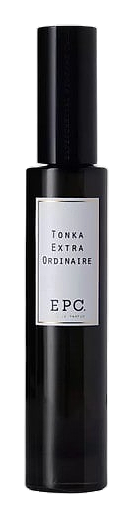




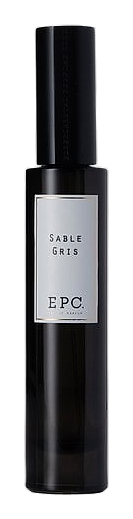



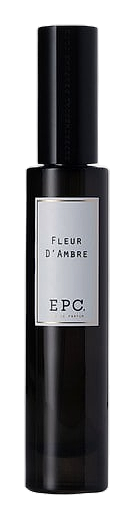
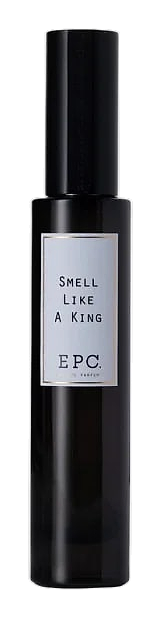



Heritage
A house, in its own words
Experimental Perfume Club emerged from London's East End, where the brand began offering workshops that invited participants to engage directly with raw fragrance materials. The founder, Emmanuelle Moeglin, is French by birth and trained at ISIPCA, the prestigious French institute specializing in aroma and perfume chemistry. Her background includes reportedly developing a fascination with fragrance during childhood, a passion that eventually translated into a formal career in perfumery. Before establishing EPC, Moeglin worked as a perfumer in the industry, building the technical expertise that would later inform her teaching methodology. The workshop format proved popular enough to serve as the foundation for a broader fragrance business. Over time, EPC expanded from offering experiential sessions to producing its own line of bottled perfumes, maintaining the educational ethos that characterized the early brand identity. The company's East End origins positioned it within London's creative communities, attracting customers seeking alternatives to mainstream fragrance retail. As the brand grew, it retained the workshop component as a core offering while adding a retail catalog of original fragrances. The decision to pursue B Corporation certification represented a deliberate choice to formalize commitments to ethical business practices, a step that brought independent verification to the brand's operational standards. EPC operates from the conviction that perfumery should not remain a closed discipline accessible only to trained professionals and wealthy collectors. The brand's workshops function as entry points, allowing people with no prior experience to work directly with aromatic ingredients and discover how scents combine, evolve, and interact on the skin. This educational emphasis shapes the brand's voice across communications, which tend toward technical clarity rather than poetic abstraction. Rather than positioning fragrance as an esoteric art requiring expert interpretation, EPC presents scent creation as a learnable skill with identifiable principles. The workshops themselves become a form of customer engagement that builds loyalty and understanding before any purchase occurs. This philosophy extends to the product line, where fragrances carry descriptive subtitles rather than evocative brand names, and where ingredient transparency is prioritized. The B Corporation certification reflects a broader commitment to operating with accountability beyond profit generation. Moeglin has spoken about the importance of demystifying perfumery, rejecting the notion that fragrance knowledge must remain gatekept by tradition or luxury positioning. The result is a brand identity built around accessibility, education, and the belief that customers can become active participants in their own scent journeys rather than passive recipients of marketing messages.