
The Story
Why it exists.
The beginning
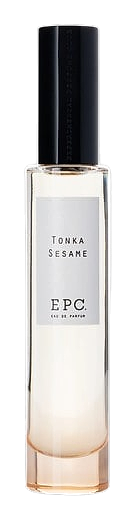
Tonka Sesame is built around three core ingredients: hazelnut, sesame, and tonka bean. These are materials with immediate sensory identity, recognizable on first encounter. Hazelnut brings a green, slightly bitter nuttiness that feels raw and grounded. Sesame adds a warm, toasted quality, almost smoky in its depth. Tonka bean absolute contributes a sweet, vanilla-like richness that softens without overwhelming. The intention behind this composition is to show how familiar, accessible materials can work together to create something layered and compelling. Each ingredient does a specific job, and the combination achieves complexity without abstraction.
What makes Tonka Sesame interesting is the precision of its construction. The combination of green hazelnut and toasted sesame creates a dual-nut accord that feels both fresh and edible. Hazelnut provides a raw, slightly bitter nuttiness, while sesame adds warm, roasted depth. Together they form a foundation that is recognizable and immediate. The tonka bean absolute amplifies this without overwhelming it, adding sweetness that rounds the composition into something softer, almost powdery. Heliotrope contributes a delicate, marzipan-like quality that enhances the edible character.
The evolution
The opening hits fast. Sesame and hazelnut arrive together, one toasted and warm, the other green and sharp. They create a dual-nut sensation that is simultaneously fresh and roasted. Tonka creeps in quickly, beginning to sweeten the edges. As the fragrance develops, vanilla and tonka push forward, sweetening the whole structure. Almond and heliotrope emerge in the heart phase, giving the fragrance a marzipan quality, edible, warm, soft. The tonka does not disappear; it deepens, merging with the vanilla into a creamy base that carries the next phase. Patchouli and cedar arrive, grounding the sweetness and adding earthiness without bitterness. They prevent the fragrance from becoming overly sweet or one-dimensional. The drydown is where this fragrance earns its presence. The tonka clings to skin, the sesame lingers, and there remains a warm, nutty residue that stays close and intimate.
Cultural impact
Tonka Sesame sits comfortably in the gourmand category, a fragrance that leans into edible, nutty sweetness without relying on dessert-like excess. The green hazelnut gives it a freshness that prevents the composition from becoming a sugar cloud. This makes it more approachable than many gourmand fragrances, closer to skin, less projection-heavy, suited for everyday wear rather than special occasions. It's the kind of fragrance that works year-round in milder climates and transitions easily from day to evening.
The House
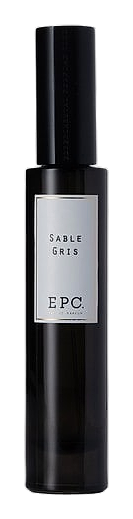
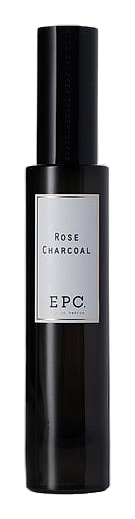
EPC Experimental Perfume ClubExperimental Perfume Club is a London-based perfume house founded by French perfumer Emmanuelle Moeglin. The brand operates on a dual model: creating small-batch fragrances for retail alongside offering interactive workshops where participants blend their own scents. This combination of product and experience sets EPC apart from conventional fragrance houses. The company holds Certified B Corporation status, indicating adherence to verified social and environmental standards. EPC's approach centers on making perfumery an accessible, hands-on pursuit rather than an opaque luxury reserved for industry insiders. Their fragrances, including entries like Sable Gris, Black Nagarmotha, and Rose Charcoal, reflect an experimental sensibility that draws curious customers into the creative process.
The Creator
Emmanuelle MoeglinMoeglin draws on her classical ISIPCA training while embracing an experimental sensibility. She favors a transparent, material-driven approach where each ingredient earns its place.