The Story
Why it exists.
The beginning
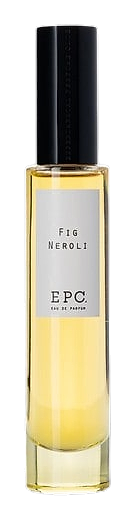
The Mediterranean garden became the conceptual anchor. Not a literal translation of a specific place, but the feeling of one, green herbs releasing scent under warm afternoon sun, the contrast between bright blossom and earthy leaf, the drydown that lingers like the memory of having been somewhere lush and alive. The fragrance captures the essence of sun-drenched botanical spaces, where the air carries both the sweetness of blooming flowers and the grounding presence of growing things. There's a particular quality to how the scent evolves, moving from the initial impression through to its final stages in a way that feels organic rather than constructed. The fig element serves multiple purposes within the composition.
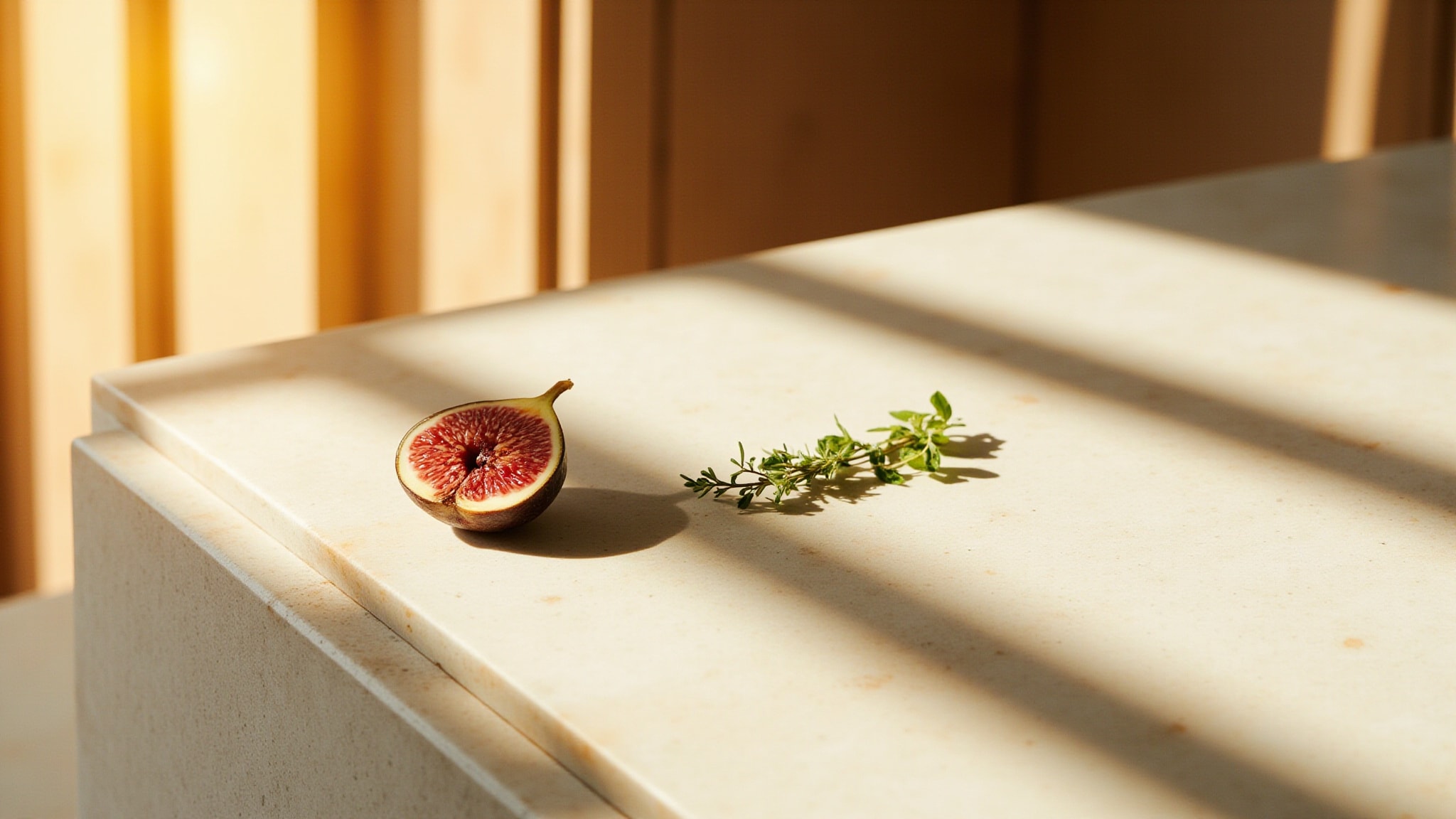
What makes Fig Neroli interesting is the fig itself. In perfumery, fig often appears as an abstract concept, the tree, the woodsy green of the leaf, the lactonic sweetness of the fruit. Here, EPC treats it as a literal material: fig milk and fig leaf working in tandem, giving the fragrance a green, slightly bitter quality that feels like standing next to an actual fig tree rather than imagining one. The supporting herbs, basil, petitgrain, amplify this grounded quality. They're not decorative additions but functional ones, contributing the aromatic, slightly medicinal freshness that makes a garden smell like a garden rather than a candle.
The evolution
The opening arrives quickly, a bright burst of neroli and orange blossom absolute with petitgrain's citrus-bitter edge. Peppermint adds a cool spike, and beneath it all, fig milk's creaminess begins to surface. Within minutes, the green herbs take over. Basil and fig leaf assert themselves with that particular sharpness of herbs crushed between fingers. This is the fragrance's most distinctive phase, aromatic and clean, with a vegetal quality that reads as almost medicinal without ever crossing into harsh territory. The florals don't disappear but they do recede, becoming a soft sweetness beneath the green. The interplay between the sharp herbal notes and the creamy fig creates a dynamic tension that evolves throughout the wear. The drydown is where the cedarwood and vetiver settle in, their earthy, woody character pulling the composition toward something warmer and more grounded.
Cultural impact
The fragrance presents a distinctive approach to green compositions, where the aromatic elements serve as the foundation rather than decoration. Its character is defined by the interplay between herbal freshness and creamy depth, creating something that feels both familiar and distinctive. The balance between bright citrus florals and grounded fig creates a tension that rewards close attention. The green-herbal character, particularly the basil and fig leaf combination, reads as genuine rather than decorative.