
The Story
Why it exists.
The beginning
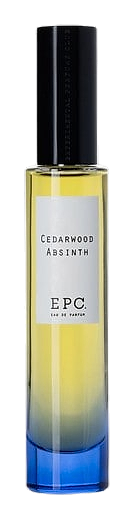
Cedarwood Absinth was built around a single provocation: what if an absinthe bar could be a fragrance? Not a literal translation. Something that captures the feeling of walking into a backstreet Paris establishment where the lighting is conspiratorial and the leather has stories embedded in it. The concept emerged from a desire to translate that atmosphere into scent, with the name saying exactly what's here. The question was how to make it land. The fragrance captures the spirit of those hidden places where conversation flows freely and time seems to slow, translating that mood into something you wear rather than somewhere you sit.
The interesting choice in Cedarwood Absinth is the pairing of wormwood oil with two different cedarwoods. Most fragrances that reference absinthe lean into anise or fennel, the softer green notes that the spirit is known for. Instead, the formula goes to the bitter, slightly medicinal quality of wormwood itself, the plant that makes absinthe absinthe. Cypriol root then adds a dark, earthy counterweight that grounds the fragrance, giving it a quality somewhere between soil and smoke. This earthiness cuts through the herbal sharpness before it becomes just another green scent.
The evolution
The opening announces itself immediately. Wormwood and cypriol arrive together, bitter, herbaceous, almost tar-like in their intensity. There's no easing in here. The absinthe character is sharp and unapologetic. The cedarwoods assert themselves as the top notes begin to settle, Virginia cedar bringing warmth while Atlas cedar adds a cooler, drier edge. The patchouli anchors everything, giving the green herbs somewhere to land without disappearing entirely. As time passes, the fragrance settles into something more intimate and close to the skin. The drydown is where Cedarwood Absinth earns its name, the cedarwood deepens into something rich and resinous, a leather note emerges from the composition, and the herbaceous quality of the opening becomes a memory rather than a presence. This is the part that lingers, that stays with you as the hours pass, evolving from statement to whisper.
Cultural impact
Cedarwood Absinth sits at an unusual intersection in the fragrance landscape, not quite mainstream niche, not quite avant-garde. The combination of wormwood and dual cedarwoods creates something that stands apart from typical green fragrances. For those drawn to absinthe as a perfumery material rather than a marketing concept, this composition offers a serious exploration of what the spirit can contribute to fragrance beyond its associations. The bitter, herbaceous quality of wormwood combined with the depth of two distinct cedarwood varieties makes this a fragrance worth examining closely.