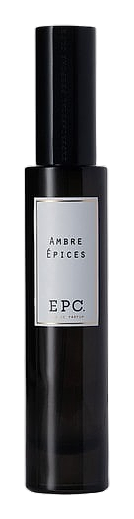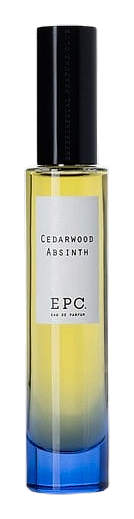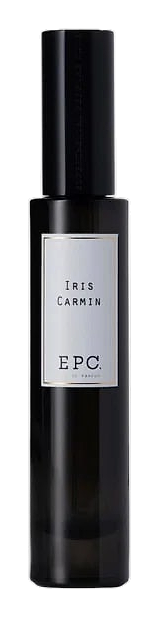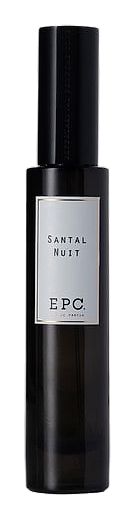

The Story
Why it exists.
The beginning
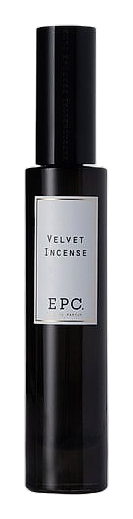
Velvet Incense arrived in 2020 as part of EPC's Signature Blend collection, born from Emmanuelle Moeglin's workshop methodology. The concept emerged from blending two existing workshop blends, Bergamot Incense and Oriental Iris, into a single cohesive composition. Rather than layering additional complexity, the exercise was about harmony: finding where two distinct aromatic ideas could resolve into one scent without losing their individual character. The name says it all, incense that doesn't demand attention, that wears like a fabric rather than a fog.
The key structural move is contrast: bright, sparkling bergamot at the opening, giving way to smoky, resinous incense at the heart. The powdery iris doesn't fight the smoke, it cushions it, making the transition feel inevitable rather than surprising. Vanilla and ambroxan add warmth and depth without sweetness for its own sake. The result is a fragrance that reads as approachable incense rather than dramatic incense, the kind you'd wear to dinner, not a séance.
The evolution
The opening announces itself quickly, bergamot arrives bright and citrusy, that juniper berry edge adding a crisp, almost coniferous lift. Within minutes the structure shifts. Smoke emerges not as a wave but as a current, threading through the composition and softening the citrus edges. The iris is the quiet operator here, powdery, present, doing the work of making smoke feel gentle. The heart holds amber and labdanum, a warm resinous middle ground that lasts a solid few hours. By drydown, the fragrance settles into something quieter, ambroxan creating that close, skin-warm quality, patchouli and myrrh grounding what remains. It earns a loyal following among enthusiasts who appreciate its steady, reliable presence. It doesn't announce. It lingers.
Cultural impact
Velvet Incense has found its audience among those who want incense without the commitment to heaviness. It occupies an interesting middle ground, experimental enough for perfumery enthusiasts who track EPC's workshop-driven model, approachable enough for someone curious about resinous fragrances but wary of dramatic smoky compositions. The Signature Blend approach means each fragrance represents a deliberate concept, not a market positioning exercise. That clarity of intent resonates with a fragrance community that values knowing exactly what a scent is trying to do.
The House
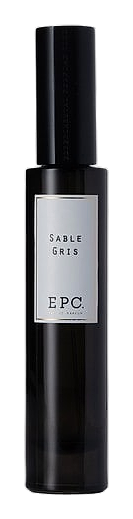
EPC Experimental Perfume ClubExperimental Perfume Club is a London-based perfume house founded by French perfumer Emmanuelle Moeglin. The brand operates on a dual model: creating small-batch fragrances for retail alongside offering interactive workshops where participants blend their own scents. This combination of product and experience sets EPC apart from conventional fragrance houses. The company holds Certified B Corporation status, indicating adherence to verified social and environmental standards. EPC's approach centers on making perfumery an accessible, hands-on pursuit rather than an opaque luxury reserved for industry insiders. Their fragrances, including entries like Sable Gris, Black Nagarmotha, and Rose Charcoal, reflect an experimental sensibility that draws curious customers into the creative process.
The Creator
Emmanuelle MoeglinMoeglin draws on her classical ISIPCA training while embracing an experimental sensibility. She favors a transparent, material-driven approach where each ingredient earns its place.