Green hazelnut
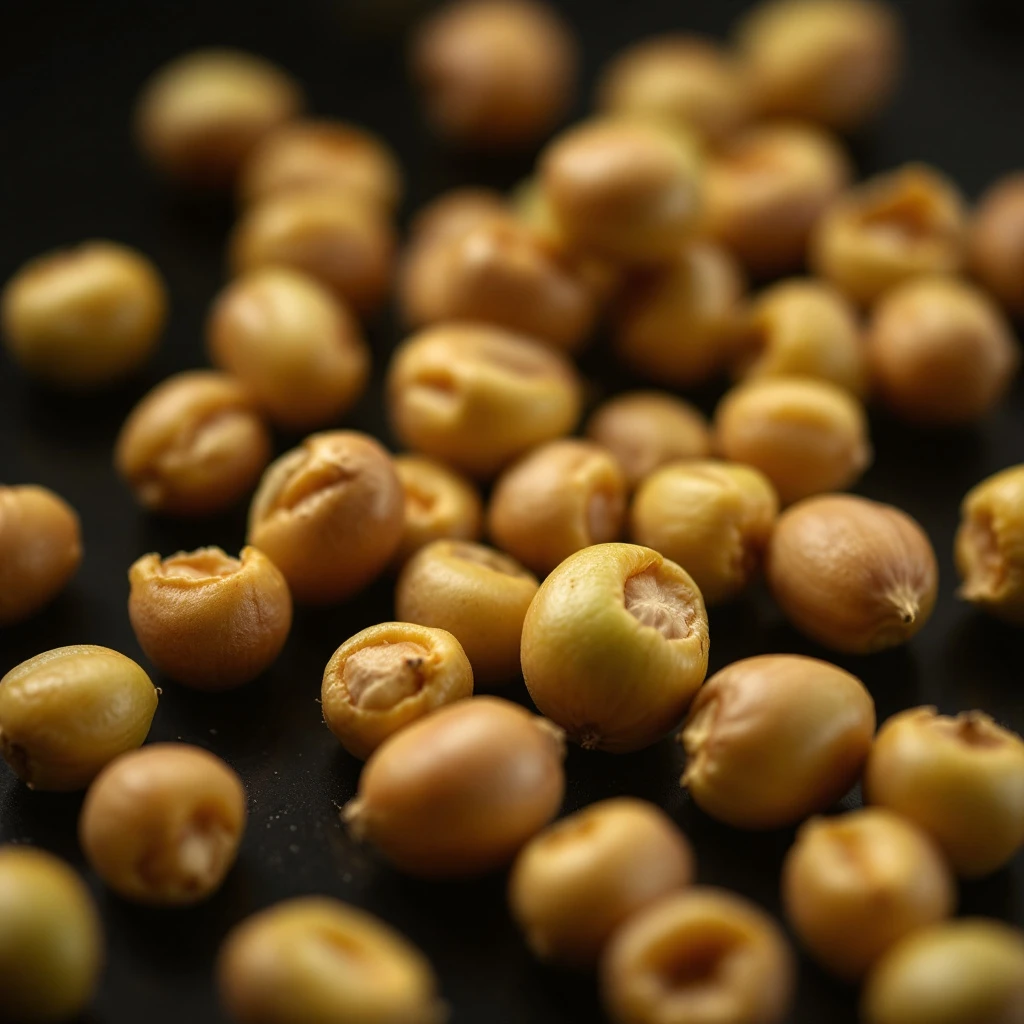
Green hazelnut captures the fresh, unroasted essence of Corylus avellana, offering earthy, vegetal warmth with subtle bitter undertones before any roasting transforms its character. This note brings natural depth and grounded sophistication to fragrance compositions.
Character
How it smells
Freshly cracked, verdant, and warmly nutty.
Hazelnut trees can live over 100 years, yet the nuts themselves are harvested annually from late summer through autumn across northern temperate regions.






Origin
Turkey
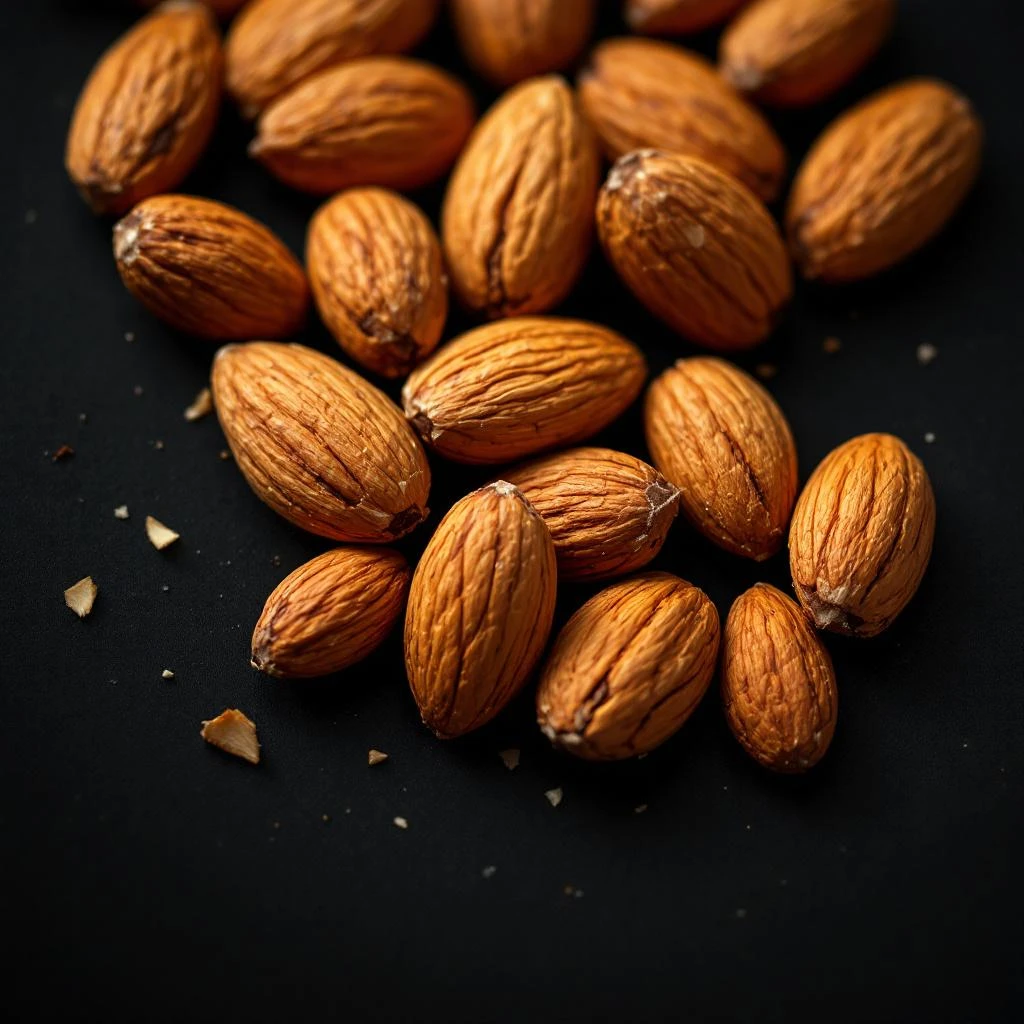
The hazelnut tree (Corylus avellana) has accompanied human civilization since prehistoric times. Archaeological evidence shows hazelnut consumption across Europe dating back over 9,000 years. Wild hazelnut forests once stretched across the Caucasus region and Anatolia, where the plant likely originated.
Mediterranean cultures incorporated hazelnuts into foods, medicines, and rituals. The Romans called the hazelnut 'Pontica' after the Black Sea region, one of its earliest cultivated areas. During the Middle Ages, monks cultivated hazelnut groves throughout monastery gardens for both culinary and medicinal purposes.
In perfumery, hazelnut notes gained prominence during the 20th century's gourmand revolution, though Turkish and Italian perfumers had long used hazelnut absolute in traditional preparations. Today, Turkey dominates global production, supplying approximately 70 percent of the world's hazelnuts, with the Black Sea coastal region producing particularly aromatic specimens prized by food and fragrance industries alike.
Wears it best
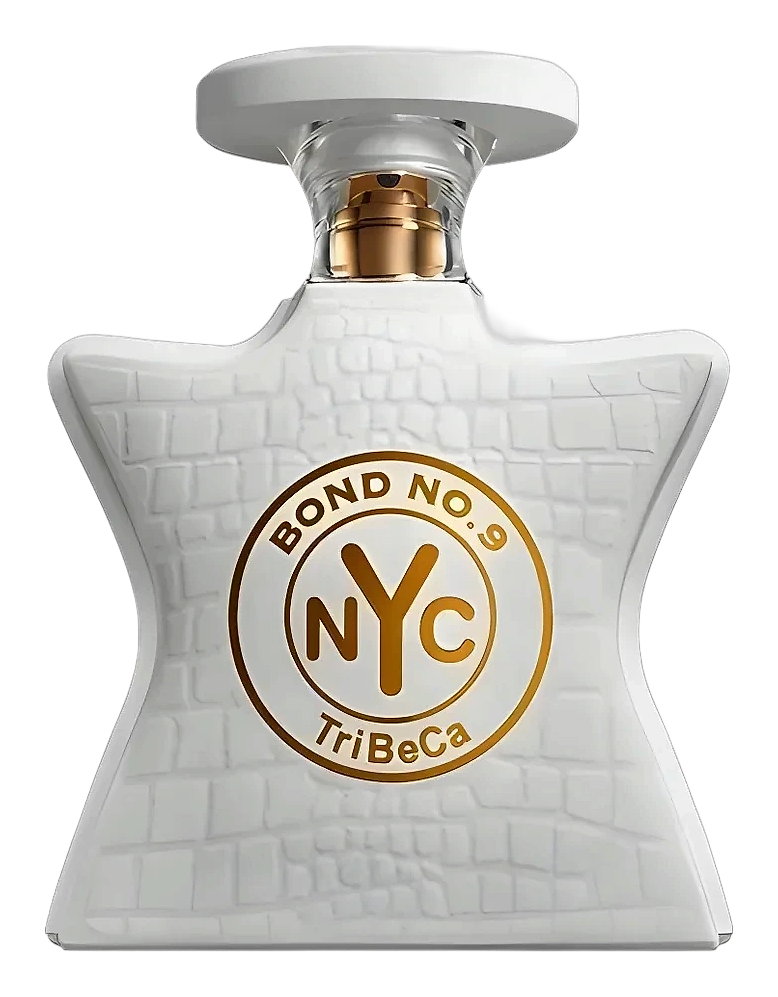
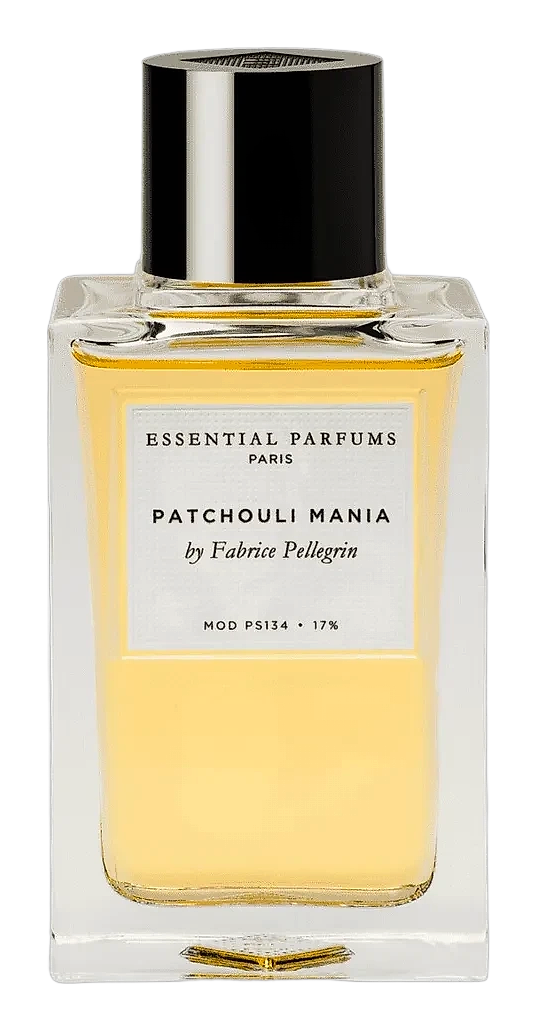
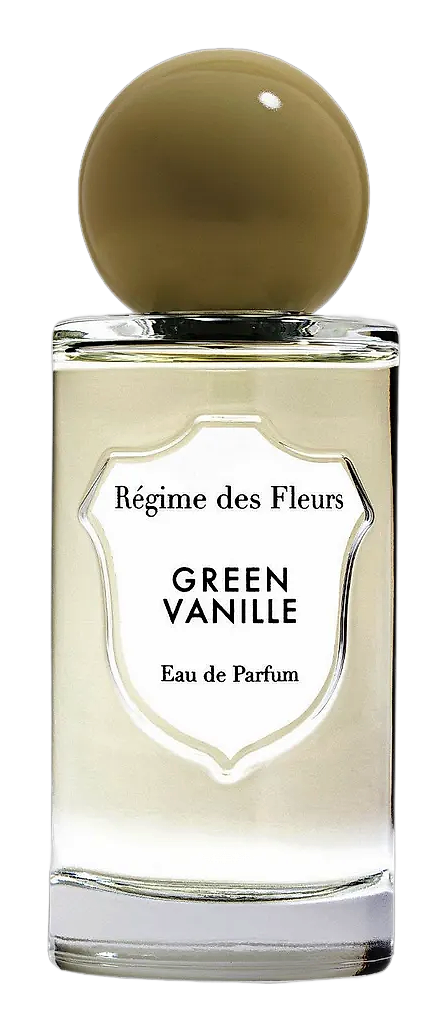
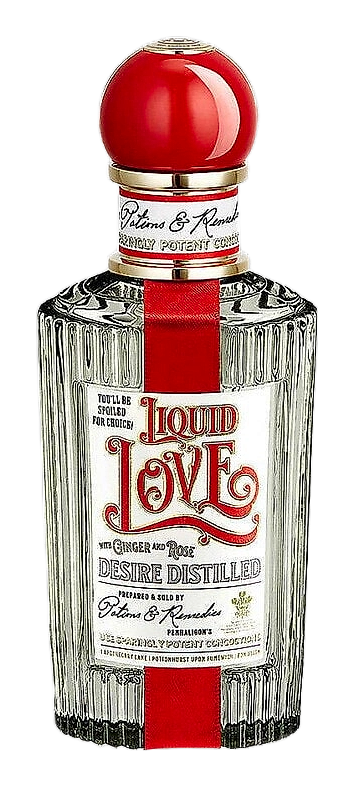
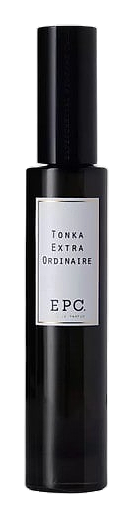
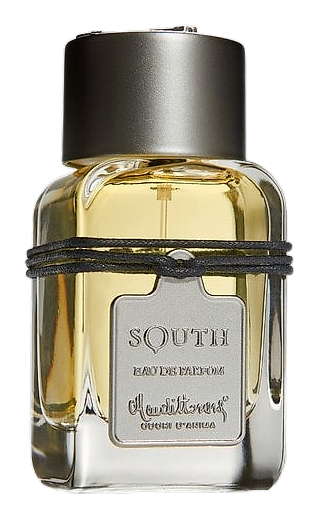
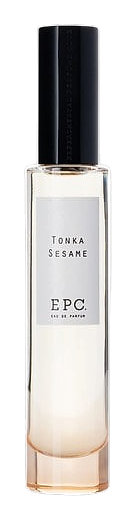
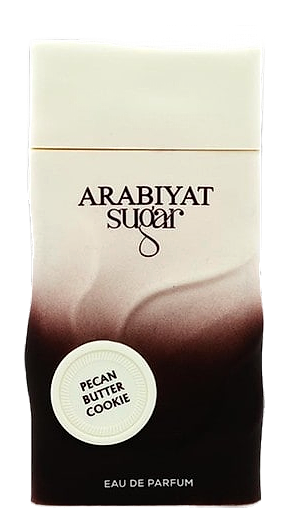
Fragrances featuring Green hazelnut
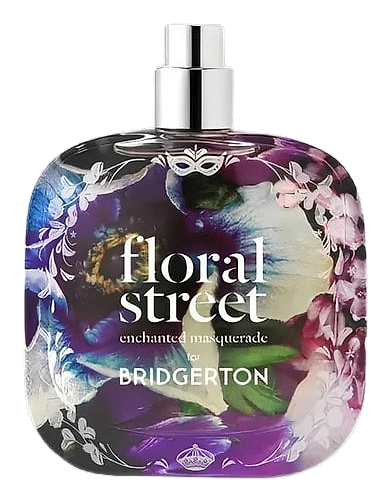

Brands
Brands known for Green hazelnut
Good to know
Questions, answered
The essentials on Green hazelnut in perfumery: how it smells, where it comes from, and how it behaves on skin.
What does green hazelnut smell like in perfume?
Green hazelnut smells fresh, earthy, and subtly bitter, like cracked raw nuts with vegetal undertones. It lacks the sweet, roasted character of cooked hazelnut, instead offering a more natural, forest-floor quality.
How does green hazelnut differ from roasted hazelnut in fragrance?
Green hazelnut carries vegetal, slightly bitter qualities with clean nutty warmth, while roasted hazelnut delivers caramelized, sweet, buttery depth. Roasting triggers Maillard reaction compounds that green, unprocessed nuts simply do not possess.
Is green hazelnut a natural or synthetic perfumery ingredient?
It exists in both forms. CO2 extraction can yield natural green hazelnut material, though the note is frequently reconstructed using natural isolates like furanones and lactones that mirror the fresh nut's aromatic profile.
What fragrance families use green hazelnut?
Green hazelnut appears in orientals, chypres, and gourmand compositions. It bridges warm, earthy base notes with fresh, natural character, pairing well with vanilla, woods, and herbaceous materials like galbanum.
Which countries produce hazelnuts for perfumery?
Turkey supplies roughly 70 percent of global hazelnut production, concentrated along the Black Sea coast. Italy's Piedmont region and the Caucasus foothills also cultivate prized varieties with distinctive aromatic properties.
At what stage does hazelnut become a 'green' note in perfumery?
Green hazelnut refers to the freshly harvested, uncured nut before drying or roasting. Its aromatic profile is captured immediately post-harvest, preserving volatile compounds that degrade or transform during curing.
How long has hazelnut appeared in perfumery?
Hazelnut absolute has appeared in perfumery since the early 20th century, gaining prominence after the 1970s gourmand movement. Natural hazelnut extracts were documented in perfumery literature dating to the 1920s in French and Italian formulations.