The Story
Why it exists.
The beginning
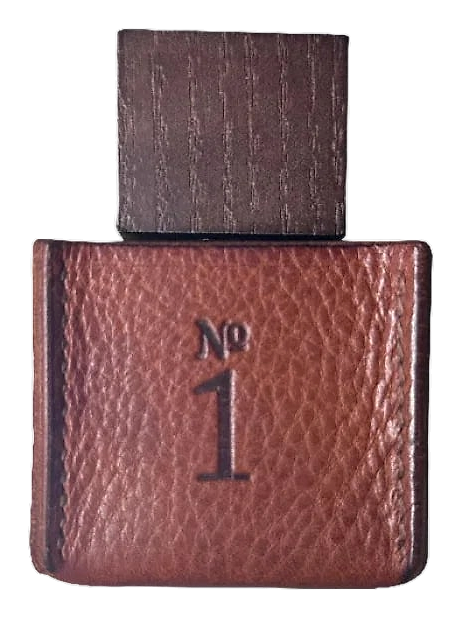
EO N°1: Assam takes its name from the oud oil at its core, an Assam-distilled material that anchors a composition reaching well beyond a single geographic point of origin. The heart carries Thai oud, while the base layers Papua sandalwood and Ethiopian frankincense into a foundation of considerable weight and resinous density. Roses enter the picture from multiple traditions, including Himalayan, Bourbon, Gallic, and Turkish varieties, each contributing a distinct facet to the floral architecture rather than functioning as a unified sweetness. The interplay between Assam oud and these accompanying materials shapes a composition where every element is calibrated to hold its ground against the smoke and depth of the central oud note. Nothing here is treated as decoration or supporting act.
The refusal to soften defines the composition from start to finish. The animalics, castoreum and civet, function in their classical capacity, intensifying the presence of everything around them rather than smoothing transitions or rounding harsh edges. Tolu balsam contributes a balsamic warmth, and tree moss grounds the accord with a damp, earthy quality that leans leathery in character. The multiple roses (Himalayan, Bourbon, Gallic, Turkish) serve an indolic function, their sharp, slightly decayed floral character pushing back against the smoke of the oud rather than cushioning it.
The evolution
The opening phase is a controlled argument between castoreum, lavender, and nutmeg. The castoreum hits immediately, animalic and direct, making its presence known without apology. Cypress and rosewood give the opening structure, dry and resinous in a way that prevents the composition from tipping too far into raw animal territory. Rose is present early but restrained, holding back rather than announcing itself. As the wear progresses, the roses expand into fuller expression, and the accord takes on a layered character. Himalayan rose appears first, followed by the deeper Bourbon and Turkish roses, each contributing its own register to the floral unfolding. Thai oud surfaces during this stage, smoky and direct, asserting itself alongside the florals rather than waiting for them to fade.
Cultural impact
EO N°1 occupies a particular position among oud-forward compositions, drawing from classical perfumery traditions that treat animalics and leather accords as structural elements rather than as novelty. The composition incorporates castoreum, civet, tolu balsam, and tree moss, materials more commonly encountered in vintage leather fragrances than in contemporary oud releases. This grounding in older material vocabulary sets it apart from many modern oud fragrances that lean toward sweetness or synthetic smoothness.