Himalayan Rose
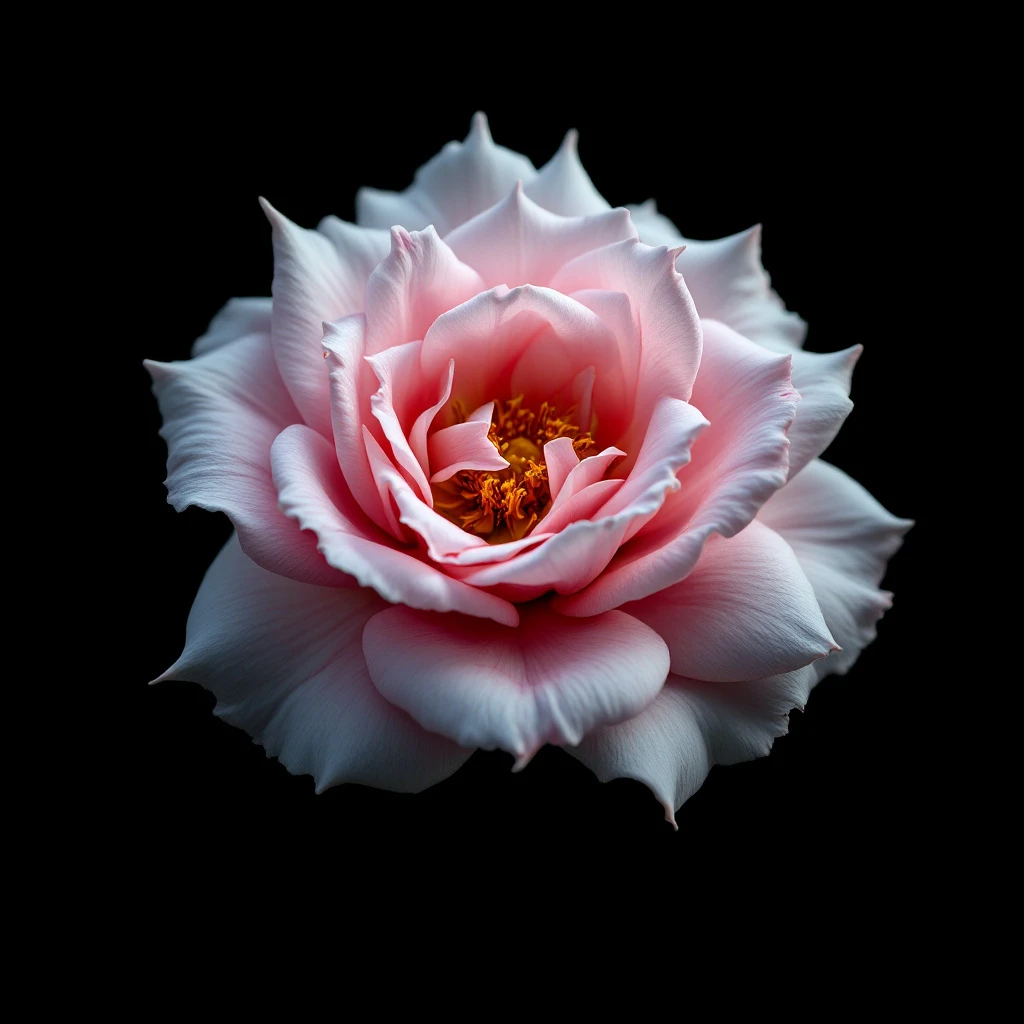
Himalayan Rose thrives at extreme altitudes where crisp air and temperature stress concentrate the flower's aromatic oils into a fragrance of exceptional depth and purity. This high-altitude bloom carries a complexity that distinguishes it from lowland rose varieties.
Character
How it smells
The rose that breathes mountain air.
Roses grown above 2,000 meters produce more concentrated essential oils because the plants generate extra fragrance compounds to attract pollinators in thinner air.


Origin
India
Rose cultivation in the Himalayan foothills predates recorded history, with Sanskrit texts from ancient India describing wild roses growing in these mountains. Rosa moschata, a musk rose species believed native to the eastern Himalayas, appears in early Chinese texts alongside mentions of rosewater preparations.
By the 10th century, Arab chemists had refined distillation techniques that arrived in Kashmir through trade routes connecting Persia and Central Asia. The Mughal emperors later established formal rose gardens in the Kashmir Valley during the 16th and 17th centuries, selecting cultivars for perfumery that would become the foundation of modern Himalayan rose cultivation.
British colonial administrators documented the commercial production of rosewater in Kashmir during the 1800s, noting its export to markets across Asia and Europe. Today, the rose fields surrounding Srinagar and the Kangra Valley represent centuries of careful selective breeding, preserving varieties uniquely suited to altitudes between 1,500 and 2,500 meters where summer nights remain cool even when daytime temperatures climb.
Wears it best
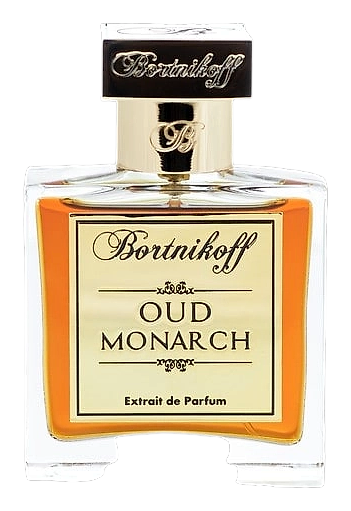
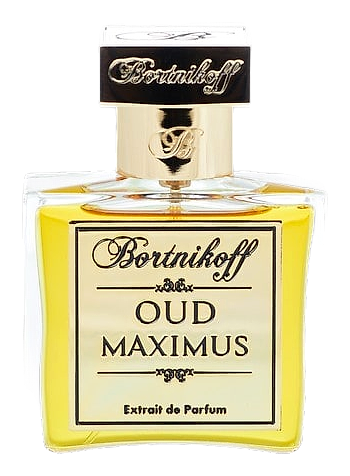
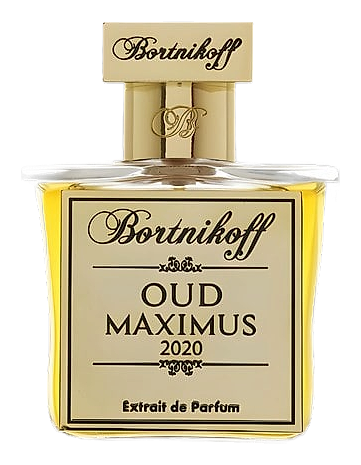
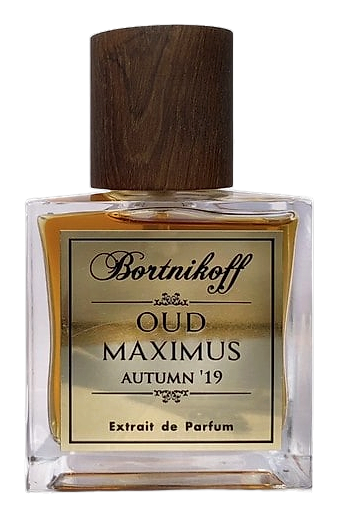
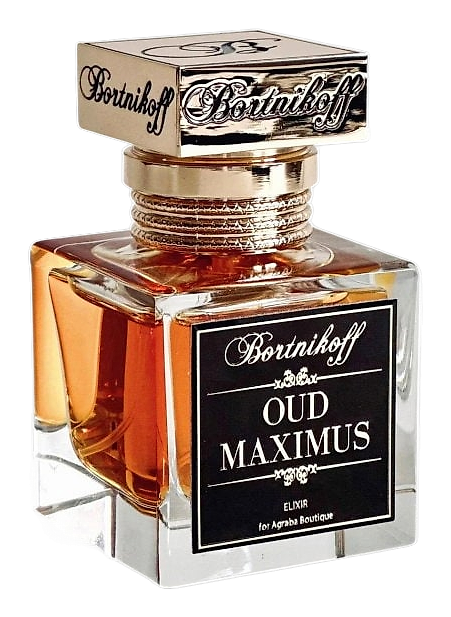
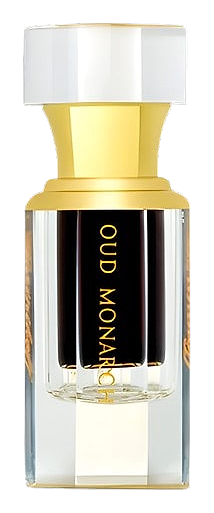
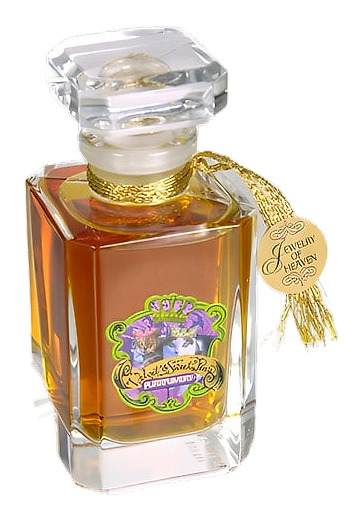
Fragrances featuring Himalayan Rose

Brands
Brands known for Himalayan Rose
Good to know
Questions, answered
The essentials on Himalayan Rose in perfumery: how it smells, where it comes from, and how it behaves on skin.
What makes Himalayan Rose different from Bulgarian Rose?
Himalayan Rose grows at significantly higher altitudes than Bulgarian Rosa damascena, producing a honeyed, slightly spicier profile. The temperature extremes stress the plants, concentrating aromatic compounds differently. Both are Rosa damascena, but terroir creates distinct olfactory signatures.
How much rose petals are needed to produce one kilogram of oil?
It takes approximately 3.5 to 4 tonnes of fresh rose petals to produce one kilogram of rose otto through steam distillation. This extreme ratio explains why pure rose oil commands premium prices in perfumery.
What does Himalayan Rose smell like?
Himalayan Rose opens with a fresh, dew-laden green note before revealing a rich floral heart with honeyed sweetness. The drydown carries subtle spice and a clean, lingering finish characteristic of high-altitude cultivars.
When is Himalayan Rose harvested?
Harvest occurs during a brief May-June window, with picking beginning before dawn when petal oils are most concentrated. The timing is critical because roses bloom for only a few weeks and oil content peaks in early morning hours.
Is Himalayan Rose used in high-end or niche perfumery?
Himalayan Rose absolute and otto appear in both niche and mainstream fragrances. Its distinctive profile appeals to perfumers seeking differentiated rose materials beyond standard Bulgarian or Moroccan sources.
What altitude do Himalayan roses grow at?
Commercial cultivation occurs between 1,500 and 2,500 meters above sea level in the Kashmir and Himachal Pradesh valleys. Some wild varieties grow even higher, adapted to thin air and intense UV exposure.
How long has rose cultivation existed in the Himalayas?
Documented rose cultivation in Kashmir dates to the Mughal era in the 16th century, though wild rose species in the region appear in texts from ancient India and China going back thousands of years.
Does Himalayan Rose contain synthetic ingredients?
Pure Himalayan Rose oil is entirely natural, extracted through steam distillation or solvent extraction without synthetic intervention. Always verify with suppliers if seeking 100% natural material, as some products blend natural and synthetic rose compounds.




