The Story
Why it exists.
The beginning
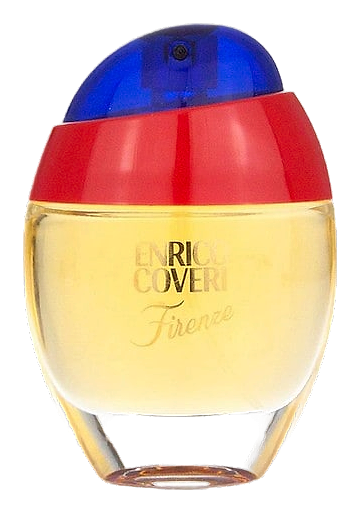
Enrico Coveri launched Firenze in 1993 as a love letter to the Italian city that inspired it. Named for Florence, Tuscany's city of light, Renaissance art, and intense afternoon sun, the fragrance was conceived as a chromatic translation: bright, saturated, unapologetically seen. The fashion house had already established its fragrance identity with Paillettes in 1982, a perfume literally named for sequins, and Firenze continued that trajectory of translating visual brilliance into scent. But where Paillettes captured the glamour of the runway, Firenze went outward, to the markets, the piazzas, the warmth of Italian everyday life. The result is a fragrance that wears its Italian identity without apology: bold, fruity, floral, and warm. It's vintage Coveri at its most accessible, theatrical enough to matter, approachable enough to wear.
Firenze's structure tells its own story. The synthetic citrus accord threading through the composition is distinctly 90s, a perfumery signature of the era that has since become a marker of period authenticity. The berry medley at the top is unusually complex for a mainstream 90s release, layering raspberry, blackcurrant, and blueberry into something that still feels modern. The heart of lilac and violet is unabashedly powdery, vintage feminine territory that fragrance enthusiasts are currently rediscovering. And the ylang-ylang base? By 1993, ylang-ylang had fallen somewhat out of favor in Western perfumery, associated with heavy tropical florals.
The evolution
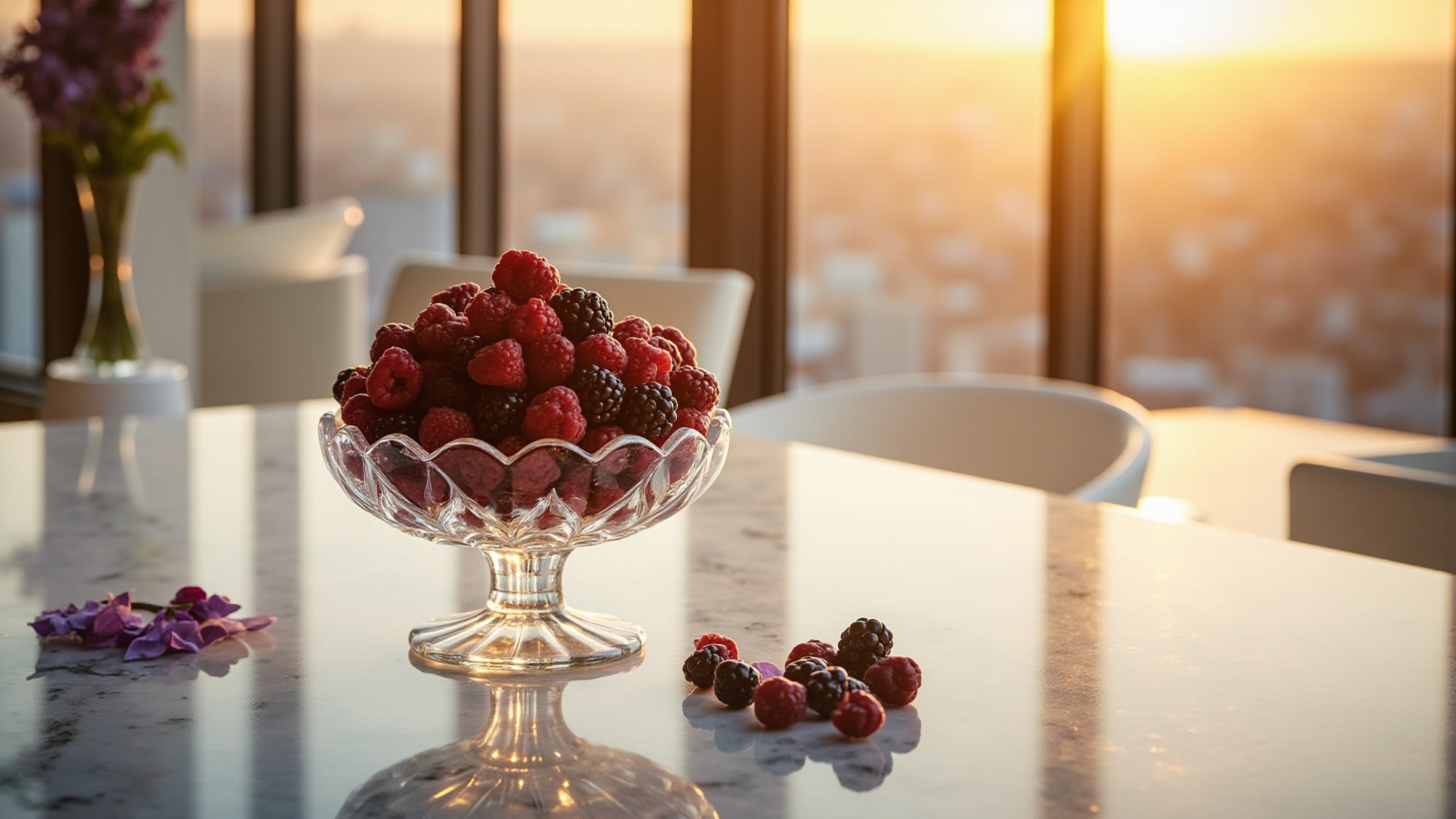
Firenze opens bright. Bergamot and neroli hit first, punching through before the berries arrive, raspberry, currant, blueberry tumbling over each other like produce at a market stall. This top phase lasts maybe 20-30 minutes before the lilac and violet arrive, softening everything into that characteristic powdery register. The synthetic citrus accord is the transition signal, the thing that marks the handoff from top to heart. The jasmine and rose fill in the gaps, but they're not the point. The point is this middle phase: fruity, floral, powdery all at once. It's the fragrance being itself. The drydown is where ylang-ylang earns its place. Paired with sandalwood and musk, it becomes something warmer and creamier, less tropical, more like memory. On fabric, the sandalwood persists. Six to eight hours means a full workday if you're not being precious about it. On some skin, it fades faster. On most, it outlasts the occasion.
Cultural impact
Firenze occupies an interesting niche in 90s perfumery: a mainstream fruity-floral that earned its complexity through an unusual berry combination and a powdery floral heart that has since become desirable again. The discontinued status has made it a collector's item for vintage enthusiasts, particularly those seeking that specific 90s Italian aesthetic, bright, theatrical, confident. The reformulation issues noted by early wearers suggest the current vintage market is fragmented, making sourcing a consideration for those seeking the original 1993 composition.