The Story
Why it exists.
The beginning
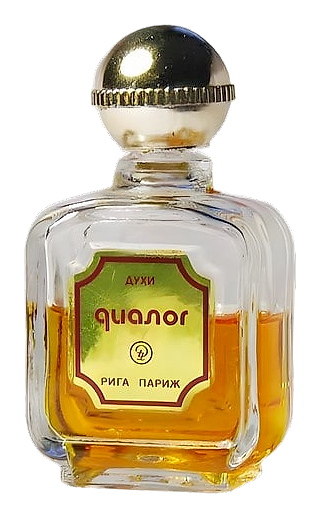
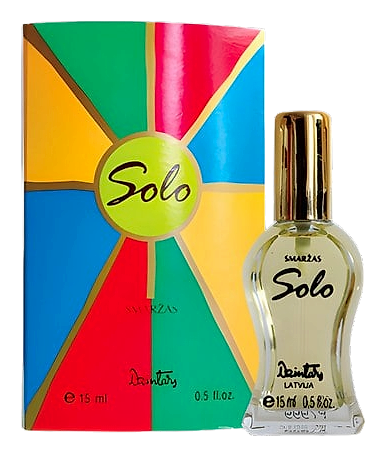
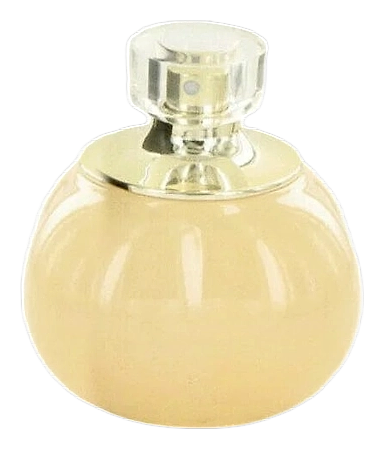
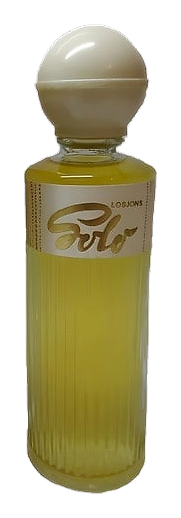
Solo Cologne arrived in 1985 from Dzintars, a Latvian perfume house. Solo emerged into the broader fragrance landscape as a cologne-strength composition built around a floral heart rather than the heavier aromatic structures the house was best known for. Its name suggested solitude but the composition did anything but retreat. Damask rose, peach, and white freesia opened the door, a juicy and luminous trio that gives the fragrance its welcoming brightness from the first spray. Inside sat citruses, white rose, and ginseng, a quietly complex stack that brings both lift and a cooling, almost herbal quality to the middle of the wear. The interplay between the soft florals and the brighter citrus top notes reads as fresh and lightly sweet, never sharp, never overdone.
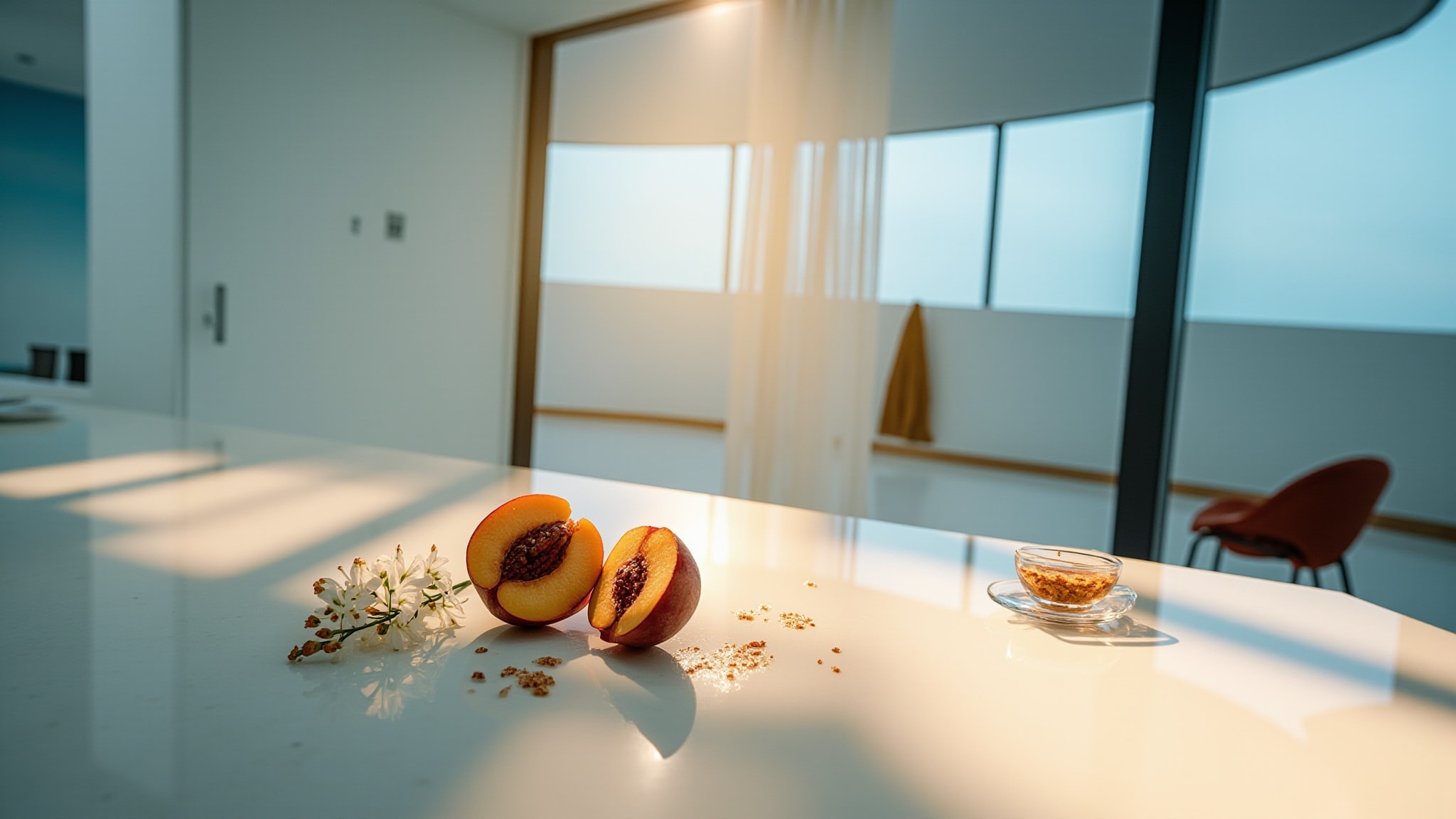
What makes Solo Cologne worth lingering on is how it treats its rose. The Damask rose in the opening shares space with peach and freesia, which gives the whole thing a pulpy, sunlit quality rather than the soapy sharpness rose can fall into. The peach lends a soft, fuzzy sweetness that wraps around the rose like skin around a stone, while the freesia contributes that cool green stem note that keeps the blend from turning syrupy.
The evolution
On skin, Solo Cologne begins with a cold sweetness. Peach and Damask rose hit at the same moment, and the freesia pushes everything a little greener, a little closer to stems than petals. The first ten minutes are the loudest the fragrance will ever be, a bright, slightly powdery floral that sits surprisingly close to the skin despite its initial clarity. The opening reads almost edible in its juiciness, the peach giving the rose a pulpy translucence while the freesia adds the cool, watery green of crushed stems held up to the light. Somewhere around the twenty-minute mark the citruses come forward, not a sharp lemon blast but something softer, almost soapy, and the white rose underneath starts to sharpen. The citrus introduces a slight bitterness, the bright peel character of bergamot or perhaps a hint of orange flower, that cuts through the sweetness and keeps the blend buoyant.
Cultural impact
Solo Cologne sits in a particular place among the floral colognes of its era, a rose-led composition that wears its age with surprising grace. Vintage bottles have circulated through fragrance communities for years, and wearers often come back to it less because of trend cycles and more because the composition itself has held up. There is a reason certain fragrances from this era survive in rotation while others fade: the ones that age well tend to balance their sweetness with enough green, dry, or bitter counterpoints to stay interesting on skin decades later. Solo Cologne belongs to that group, and it shows.