The Story
Why it exists.
The beginning
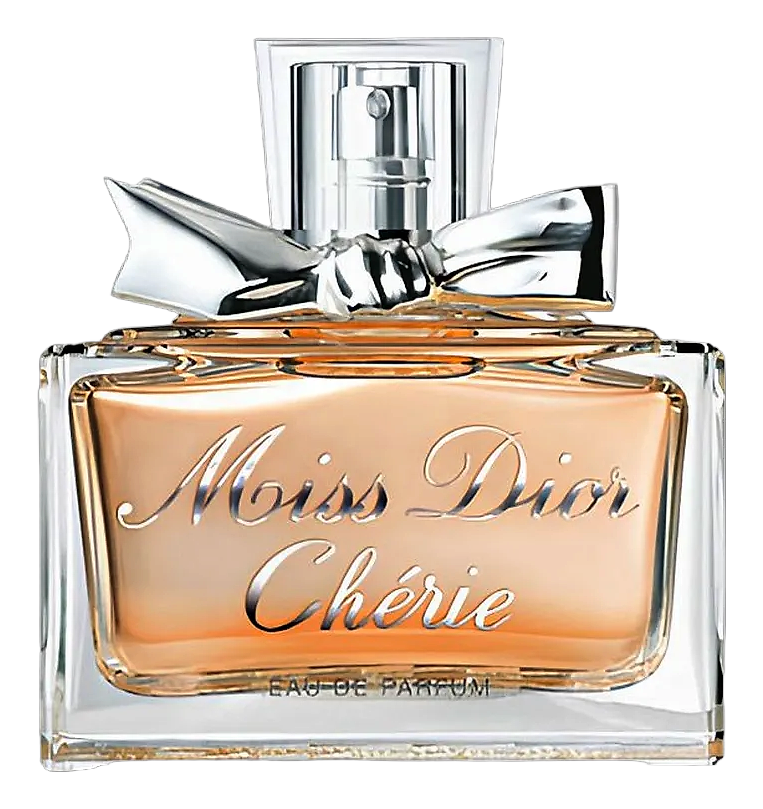
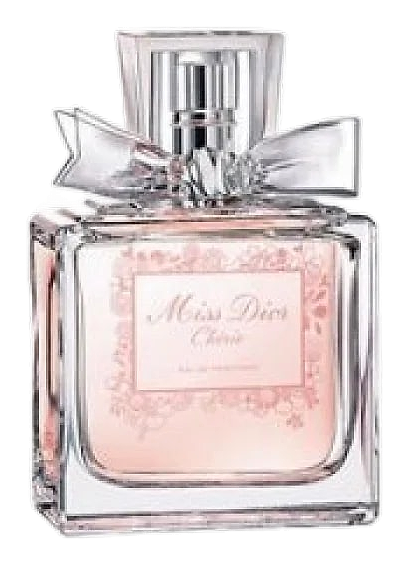
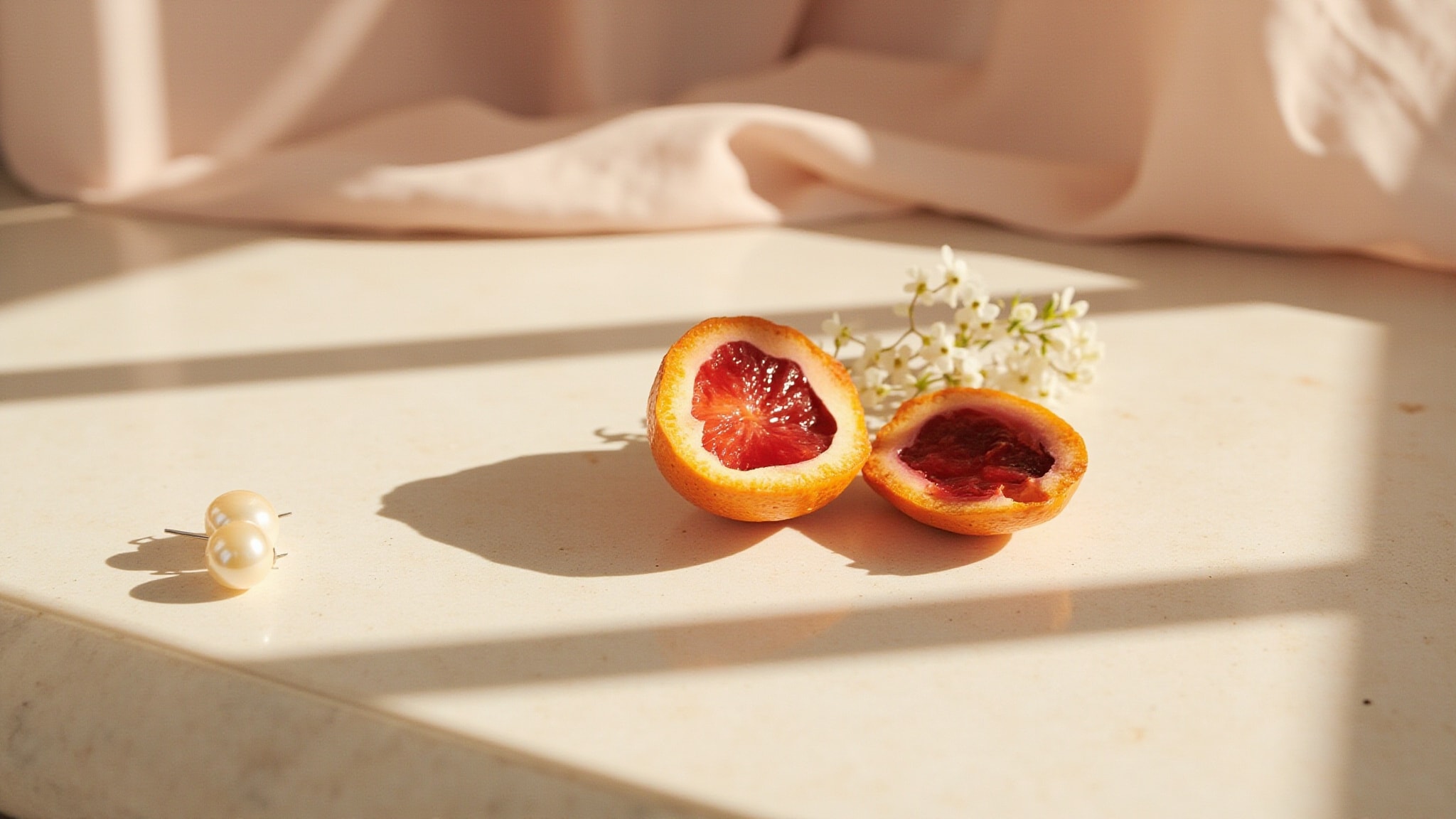
Miss Dior Chérie Eau de Printemps arrived in 2008 as a limited seasonal twist on the mainline Chérie. This edition stripped back to something closer to a Mediterranean garden waking up after rain. Blood orange and neroli anchor the composition, a quieter, greener take on the Chérie DNA. The opening citrus is immediate and unapologetic, a burst of blood orange that smells like the fruit torn open rather than processed into candy. The neroli weaves through with its characteristic green bitterness, less indolic than some white florals, more like the actual twig and leaf surrounding a blooming orange tree.
What makes Eau de Printemps interesting is what was left out. The strawberry, the popcorn, the caramel-vanilla base, all absent. What's left is two top notes, three heart notes, and one base note, a structure that reads like a minimalist sketch compared to the busier constructions flanking it in the lineup. Bergamot and blood orange open the composition, sharp and almost effervescent, the kind of citrus pairing that smells like sunlight on stone. Jasmine, neroli, and rose form the heart, and they work together without crowding each other.
The evolution
The blood orange hits first, and it hits fast. Bright, almost tangy, with the bergamot adding a sharper citrus edge underneath, like peeling fruit in direct sunlight. The first minutes feel almost like a cologne, crisp and uncomplicated. Then neroli arrives, and that initial sharpness softens into something warmer and more floral, edged with a green bitterness that reads as actual stems and leaves, not an abstract green note. Jasmine and rose settle in around the middle of the wear, but they don't dominate. They sit underneath the citrus glow like a suggestion of a garden rather than a bouquet. The florals here behave more like texture than statement, giving the neroli a softer landing without ever taking over the conversation.
Cultural impact
Eau de Printemps holds an unusual position in the Chérie lineup. It's a seasonal limited edition, the kind of release that arrives quietly and leaves without fanfare, never built for the mainstage spotlight. Its value comes precisely from that restraint. For someone drawn to the Chérie DNA but craving something less confectionery and more botanical, this edition offers an alternative that doesn't abandon the family resemblance. The composition reads like an invitation to slow down, to pay attention to what was removed rather than what was added, and that kind of editing rewards a certain kind of wearer.