
The Story
Why it exists.
The beginning
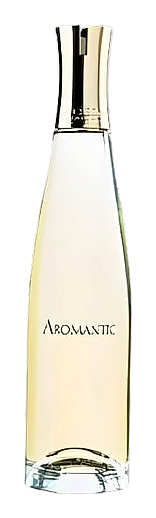
Jean-Claude Ellena designed Aromantic with a deliberate contradiction at its center: a fragrance named for rejecting romance, yet composed almost entirely of romantic floral material. Released in 1999, Ellena, already known for his stripped-back compositions, created a work that subverts expectations through its very title. The clary sage and mint opening provides an immediate aromatic burst, green and cool, that announces the fragrance's intent before the florals arrive. This opening serves as the fragrance's calling card, establishing the herbal character that persists throughout the composition, grounding the sweeter elements in something sharper and more complex than simple floral beauty.
What makes Aromantic structurally unusual is how the herbaceous notes function as architecture rather than decoration. Clary sage doesn't simply add a green facet; it creates a bitter, slightly medicinal counterweight that keeps the florals from blooming into sweetness. Mint reinforces this with cool clarity. The result is a fragrance that smells like herbs first and flowers second. The rose, geranium, and ylang-ylang exist in the composition but are filtered through that herbal lens, arriving softened and slightly restrained rather than standing alone.
The evolution
The opening arrives quickly. Clary sage's bitter-green oils release immediately, the scent simultaneously herbal and slightly nutty, like sage crushed between fingers. Mint cuts in cool and sharp, crushed leaves, not mint candy, while cardamom adds warm, peppery spice beneath the chill. Petitgrain, with its citrus-bitter character, holds the top together into a cohesive aromatic salvo. As the fragrance develops, the green intensity recedes as the florals emerge, not a bold rose bloom but something quieter, metallic and faceted, like rose water in a garden where the petals haven't fully opened. Ylang-ylang adds creamy sweetness. Geranium introduces its green, slightly medicinal floral character. The florals never dominate. They infiltrate the herbs rather than replacing them. By the drydown, the transformation is complete but gradual. The florals have mostly departed.
Cultural impact
Aromantic has attracted wearers who appreciate its unusual aromatic-green character and its versatility across seasons and daytime settings. The fragrance appeals to those seeking something intelligent rather than obviously pretty. Community ratings reflect consistent appreciation for the composition's unique balance of herb and flower, with wearers often noting how the herbal foundation prevents the florals from becoming saccharine. The fragrance serves as a reference point for those interested in compositions that prioritize green clarity over sweetness, offering a different kind of beauty that rewards attention over immediate impact.
The House
DecleorDecléor is a French fragrance house that emerged from the world of aromatherapy and skincare before establishing itself as a respected voice in perfumery. Founded in Paris in 1974, the brand built its identity on the therapeutic properties of essential oils, creating scents that drew from botanical traditions while pursuing artistic expression. The house gained recognition for formulations that balanced wellness principles with olfactory sophistication, attracting consumers who valued both the sensory and holistic dimensions of fragrance. Over the decades, Decléor maintained its French heritage while reaching international markets, eventually becoming part of the L'Oréal portfolio, which expanded its distribution and influence within the beauty industry.
The Creator
Jean-Claude EllenaCritics compare Ellena's work to watercolor sketches and chamber music, precise and economical where others are bold and orchestral. He avoids repetition and heavy concentration, instead building compositions that breathe.