
Heritage
A house, in its own words
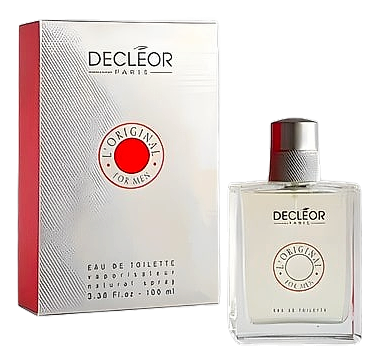
Decléor traces its origins to Paris in 1974, when the brand was established with a distinct focus on the intersection of aromatherapy and cosmetics. The founding premise centered on the belief that essential oils possessed transformative properties for skin and wellbeing. Businessman Hervé Lesieur served as an early owner, steering the brand during its formative years and establishing its foundational philosophy rooted in botanical expertise. The company developed a reputation within the French beauty market for its commitment to natural ingredients and holistic approaches to beauty, distinguishing itself from purely aesthetic-focused competitors. This aromatherapeutic foundation shaped not only the products but also the language and positioning of the brand, which emphasized balance, nature, and sensory experience. The early 2000s marked a significant chapter when Decléor released several notable fragrances, including Aromantic in 1999 and L'original in 2000, signaling an expanded ambition within fine perfumery alongside its skincare heritage. Ownership transitioned to L'Oréal at some point, integrating Decléor into one of the beauty industry's largest groups while the brand retained its French identity and core positioning around botanical ingredients. The transition brought increased resources and global distribution, though Decléor's heritage as an aromatherapy-forward brand remained central to its narrative. Throughout its history, the house maintained its Paris origins, never straying from the foundational connection between fragrance and wellbeing that characterized its founding vision. The philosophy underlying Decléor reflects its aromatherapy origins, positioning fragrance as more than a decorative accessory but rather as a tool for personal transformation and balance. The brand operated from the conviction that essential oils, when properly harnessed, could influence mood, health, and the relationship between mind and body. This approach meant that each fragrance development began not merely with aesthetic goals but with an intention toward holistic effect. Decléor embraced the concept that scent interacts with human psychology and physiology in measurable ways, drawing from traditions that date back centuries while applying contemporary understanding. The brand valued transparency about ingredients, particularly the botanical components that formed the backbone of its identity. Rather than obscuring the natural origins of its materials, Decléor highlighted them, treating the sourcing and quality of essential oils as essential to the final creation. This philosophical stance also extended to the idea that fragrance wearing should be a conscious ritual rather than an automatic habit, encouraging consumers to consider how specific scents made them feel and what effects they sought. The house approached perfumery as both art and wellness practice, refusing to separate the creative and therapeutic dimensions of scent.