The Story
Why it exists.
The beginning
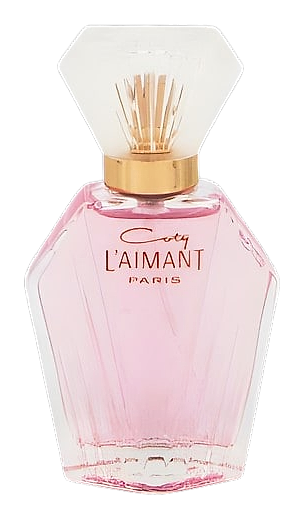
In 2006, Philippe Roques and Christophe Raynaud approached the classic L'Aimant with one question: what would it feel like if orchid took center stage? The original was a powdery floral built on rose and iris. Caresse d'Orchidee didn't replace it. A tender, slightly exotic note that whispered instead of announced. The name itself says everything: a caress, not a declaration. Orchid was the answer, bringing a smooth, enveloping quality that feels present and close, a delicate presence that becomes familiar the more you wear it.
Eight floral notes in the heart, orchid, rose, jasmine, hyacinth, white lily, ylang-ylang, iris, rose petals, could easily collapse into a single sweet blur. Instead, the composition maintains clarity. The iris brings that powdery dryness that lifts the sweetness. Orchid sits at the center like a held note. Rose doesn't overwhelm; it supports. Below, vanilla and sandalwood anchor everything with warmth that builds gradually, a smooth creaminess that deepens over time. Oakmoss and vetiver keep it from becoming a pure dessert floral, a whisper of earth, a reminder that flowers grow in soil.
The evolution
The opening is brief but intentional. Bergamot and blackcurrant arrive clean, tart, almost crisp, the kind of brightness that makes you lean in. Orange blossom softens the edges, adds a hint of sweetness. As time passes, the flowers begin their take over. Orchid doesn't explode. It seeps. Rose follows, then jasmine, then ylang-ylang in a wave that feels less like a parade and more like a room filling with late afternoon light. The drydown brings vanilla quietly, sandalwood smoothing everything beneath, oakmoss grounding the sweetness with something mineral and slightly damp. Vetiver lingers last, a dry, green whisper that stays close to skin after you've stopped paying attention.
Cultural impact
Launched in 2006 as a flanker to Coty's 1975 classic L'Aimant, Caresse d'Orchidee introduced orchid as a signature note in an accessible format. The fragrance brought a powdery floral structure to a broader audience, offering something familiar yet differentiated from the original. This approach to flanker creation allowed the brand to explore new olfactory territory while maintaining a connection to its heritage collection.