The Story
Why it exists.
The beginning
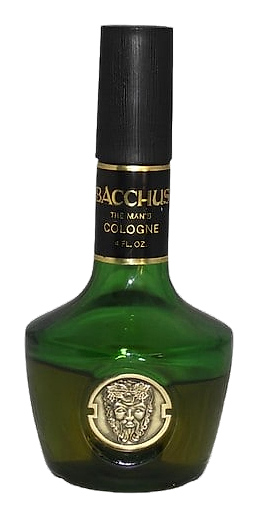
Bacchus takes its name from the Roman god of wine, revelry, and loosened inhibitions. The fragrance is packaged in a green flask modeled after a long-necked Roman urn, dressed with a gold bas-relief of the god himself, a bottle that makes the classical reference impossible to miss. The scent itself leans heavily into a chypre skeleton, with the warm, resinous backbone that chypres are built on rather than anything built around bright citrus or aquatic freshness. On the first spray, there's a boozy quality to the opening, almost like a wine that's been left to breathe in a carved goblet. The spice comes forward quickly, and the composition doesn't hide its intentions.
The composition's structure runs on a chypre framework that holds everything together. Bergamot and lavender open the fragrance, sitting up top with that classic cool, herbal quality the genre is known for. Patchouli and oakmoss anchor the base, grounding the scent in the earthy, slightly bitter terroir that gives chypres their distinctive signature. Between those poles sits a heart built around cumin and clove, rounded by vetiver and a thread of jasmine. The cumin is the surprise. In a chypre, that spice usually sits in the shadows, buried beneath moss and citrus.
The evolution
On skin, the opening is immediate and almost rude. Bergamot and lemon hit sharp, artemisia pulls it green and slightly bitter within the first five minutes. By the half-hour mark, the lavender has settled and the artemisia softens. Cumin arrives next, warm and unmistakably present, with clove building behind it. The jasmine does quiet work in the heart, adding a faint sweetness without ever announcing itself. After two hours, the composition shifts firmly into chypre territory. Patchouli and oakmoss take over, cedar and leather settle underneath, and the musk rounds everything off. The cumin never fully disappears; it haunts the base like a rumor, threading through the moss and patchouli long after the brighter notes have faded. By the next morning, what remains is a warm, mossy, faintly spiced skin scent.
Cultural impact
Bacchus wears its vintage character openly. The cumin-forward profile, the heavy chypre base, the unabashed warmth of the composition all place it firmly within an older mode of men's perfumery, one that prized spice and moss over the cleaner, more discreet templates that have come to dominate later decades. Wearers tend to gravitate toward it precisely because of that cumin note, a material that most contemporary designer releases treat with caution or avoid altogether.