The Story
Why it exists.
The beginning
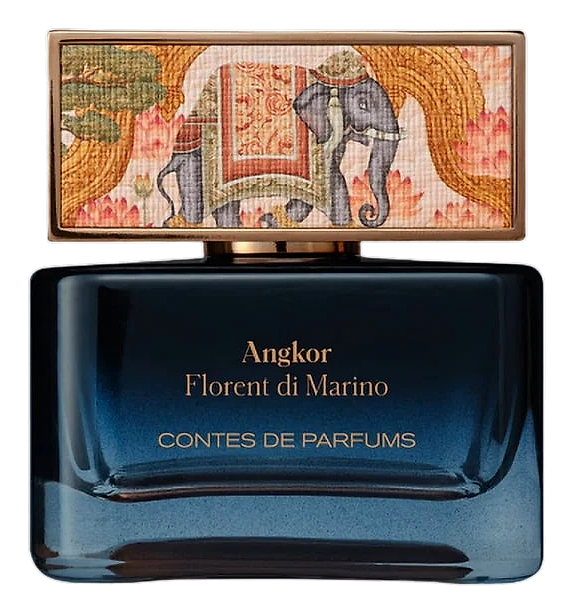
Angkor joins Contes de Parfums' Timeless Cities collection in 2026, and Florent Di Marino takes the brief, translating his subject into a spicy-woody portrait built around what lingers in stone corridors at the end of a long, hot afternoon. Spice, resin, and a warmth that never quite fades when the sun drops. The Cities collection works from a single premise, each release rooted in a concrete place, and Di Marino's interpretation lands in heady territory. Pepper and nutmeg hold the threshold, cypress and frankincense fill the nave, vanilla and sandalwood wait at the base. The architecture is deliberate, sacred geometry bottled and given weight through composition rather than concept.
What sets Angkor apart is the cypress-pine pairing at the opening, holding the spice steady from the first spray. Pine needles and black pepper arrive together, sharp and green at once, before the nutmeg rounds the edge. The magnolia in the heart is the quiet surprise, a cool and creamy counterweight that keeps the frankincense from tipping too far into incense territory. Cypress carries the resin, magnolia carries the air.
The evolution
The opening minutes carry the most projection, with black pepper and pine setting the ceiling high and nutmeg pulling everything into focus within moments. The sillage is generous here, warm enough to register without shouting. Then magnolia enters, and the composition pivots from spice into something colder and more cathedral-like. Cypress snaps into place, frankincense curls upward, and the opening's warmth gets exchanged for mineral clarity. The accord shifts from solar to stone, and the wearer feels the temperature drop without losing the scent's presence on skin. The heart settles in for an extended stay before the base takes over. Bourbon vanilla arrives with its characteristic sweetness, rounded and slow. Cashmeran wraps everything in a clean, slightly fuzzy musk that reads more like fabric than skin.
Cultural impact
Angkor continues the Cities collection's thread of architectural, place-driven compositions, and Di Marino's reading pulls toward sacred space. The spicy-woody-resinous accord gives the fragrance its gravity, and the construction feels considered from the opening accord through the final trace of sandalwood. There's nothing decorative about the composition, every note earns its place in the structure, and the result carries the kind of weight you find in work that takes its materials seriously. Di Marino avoids the postcard approach, keeping the focus on interior atmosphere, the air inside the walls rather than the view from outside.