The Story
Why it exists.
The beginning
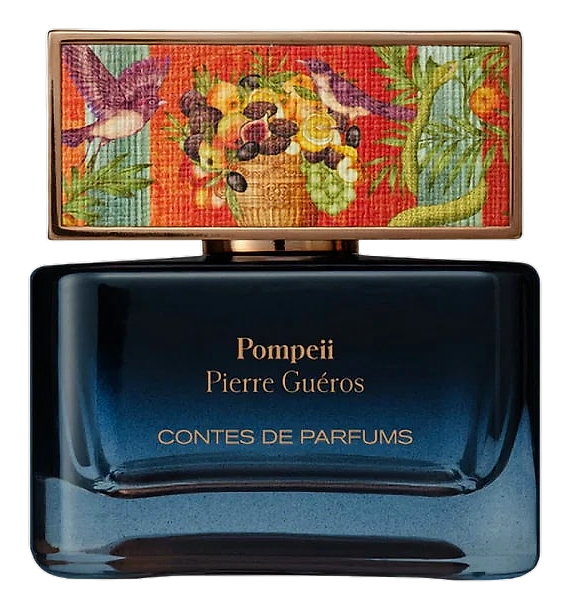
Composed by Pierre-Constantin Guéros, Pompeii joins Contes de Parfums' Timeless Cities Collection, a series that commissions a different perfumer for each urban portrait. Guéros turned his attention to the buried Vesuvian city, seeking to render not the catastrophe itself but the strange suspension that followed. The composition captures that held breath through a layered architecture of contrasting materials. A spiced, wine-soaked opening gives way to a heart where tuberose absolute blooms against the dry mineral drag of volcanic ash, before settling into a warm base of amber, musk, and vanilla. The result reads less as a literal recreation and more as an atmospheric impression, a city caught in the moment between ending and becoming.
The note pyramid reads like an inventory of a Roman afternoon interrupted. Clove and red wine at the opening, rich and warming, the kind of spice that curls around a goblet. Tuberose absolute at the heart, white and narcotic, pushing through like something preserved in volcanic material. Then volcanic ash, the brand's literal material reference, giving the composition its mineral backbone. White blossoms, amber, musk, and vanilla in the drydown ground the whole thing in skin warmth. The accord choices are deliberate: floral-smoky-powdery-earthy-resinous, a five-way conversation between living tissue and petrified aftermath.
The evolution
Released in 2026, Pompeii was composed by Pierre-Constantin Guéros as part of Contes de Parfums' Timeless Cities Collection, a series that commissions different perfumers to render specific places as scent. Here, Guéros aimed to translate the buried Vesuvian city into olfactory form, building a clove-and-wine opening over a heart where tuberose absolute and volcanic ash occupy the same space in tension. The base anchors the composition in amber, musk, and vanilla, lending warmth and skin-like intimacy to what could have been a colder mineral statement. On skin, the opening hits bright and almost edible, the clove and wine accord reading rich and slightly boozy, before the tuberose rises through the spice like smoke through lattice. The ash note never smells literally dirty; it reads as dryness, a stony austerity that keeps the sweetness honest.
Cultural impact
Pompeii arrives as part of a brand that treats place as emotional residue rather than postcard. The fragrance asks something specific of the wearer: a tolerance for texture, a willingness to sit with compositions that carry mineral weight and weather slowly on the skin. Clove-and-ash constructions reward patience, and this one unfolds in stages, from the spiced wine opening through the smoky tuberose heart to the warm ambered base, each phase revealing new facets rather than collapsing into a single impression.