Wine
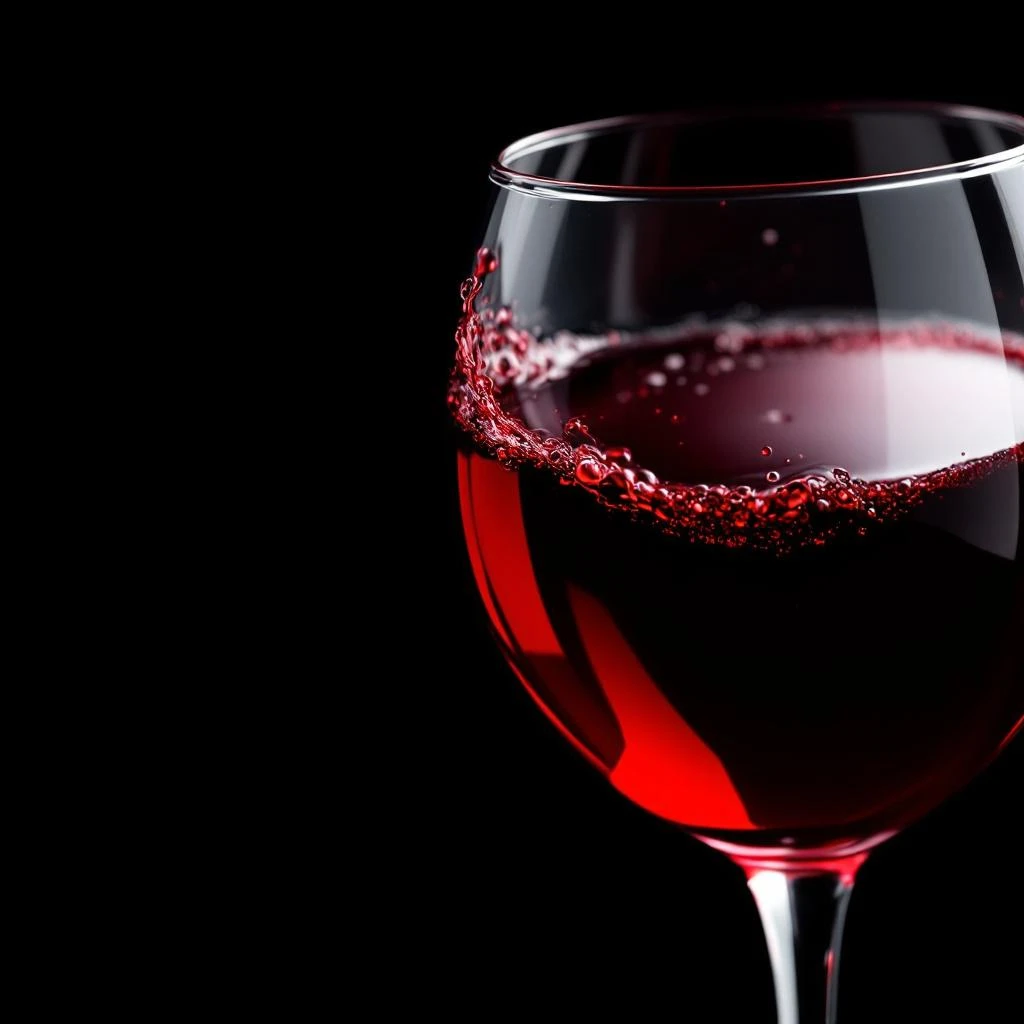
The rich, fermented essence of crushed grapes captures celebration and terroir in a single accord. Perfumers construct wine notes from precise blends of aroma molecules, recreating everything from bright white wine to deep, jammy reds.
Character
How it smells
Bacchus's gift to modern perfumery
The oldest known wine residues, dating back 8,000 years, appeared in clay pottery from southeastern Georgia, proving ancient perfumers worked with fermented grape products long before recorded history.








Origin
Georgia
Wine entered human culture around 6000 BCE in the South Caucasus region, where archaeological evidence from present-day Georgia reveals the earliest winemaking. Ancient Mesopotamian and Egyptian perfumers quickly discovered fermented grape products, incorporating them into early aromatic preparations.
Medieval Arabian perfumers used wine and wine vinegar as diluents for costly attars, a practice European perfumers adopted during the Renaissance. By the 19th century, as modern perfumery emerged, perfumers began isolating specific aroma compounds responsible for wine's character.
The construction of wine accords from individual molecules became standard practice during the 20th century, allowing precise control over wine character in fragrance composition. Today, wine notes appear in numerous fine fragrances, often paired with fruit, floral, and wood notes to evoke vineyard landscapes and wine cellars.
Wears it best
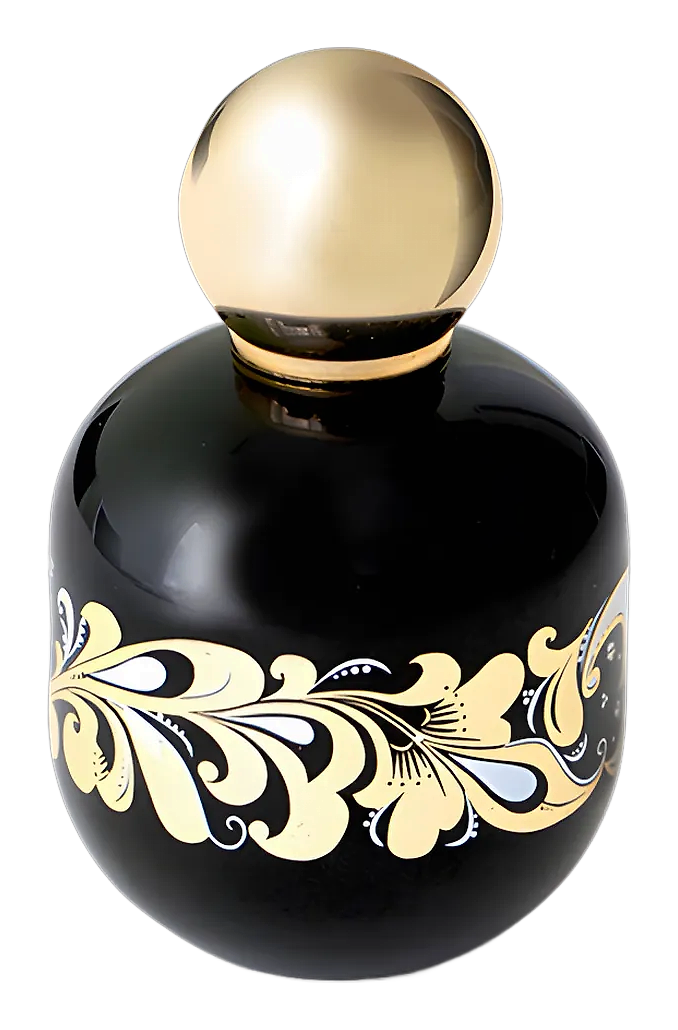
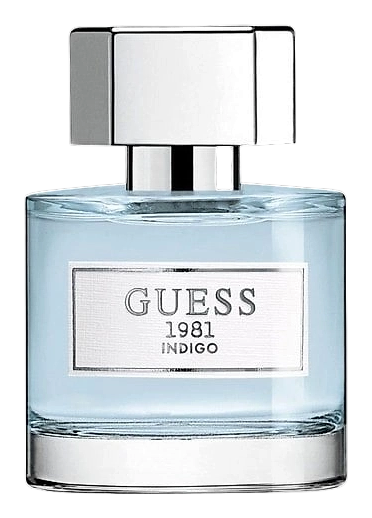
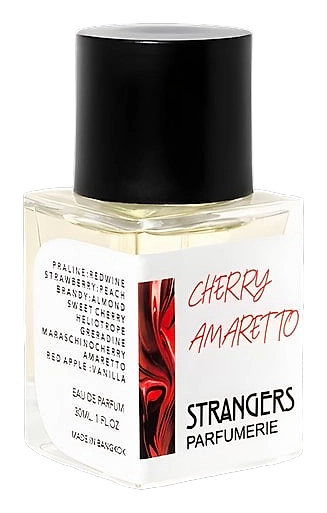
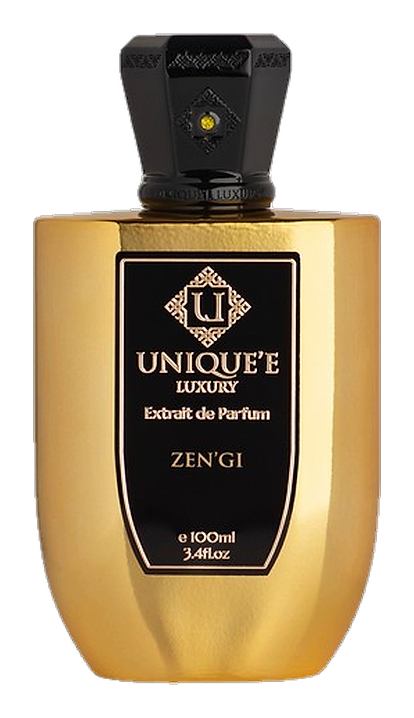
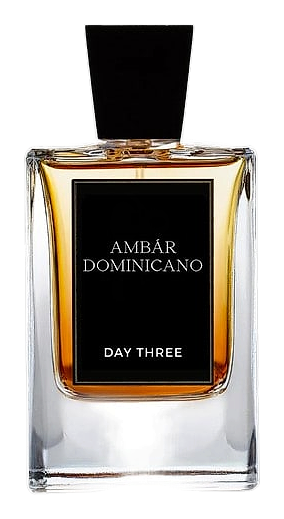
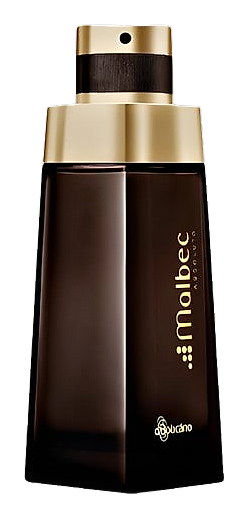
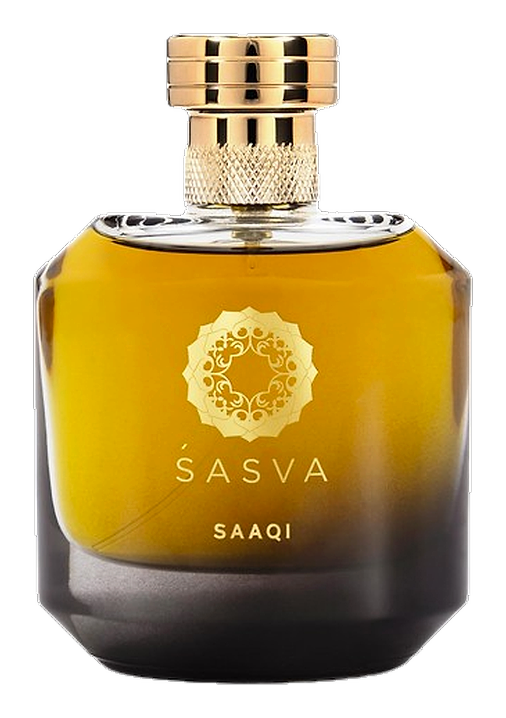
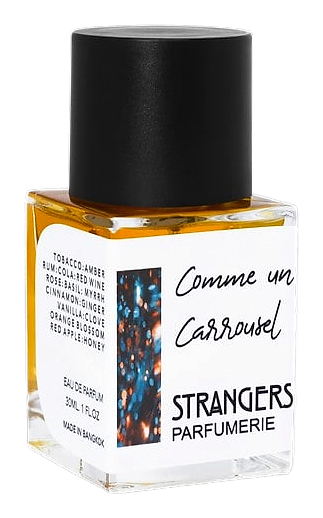
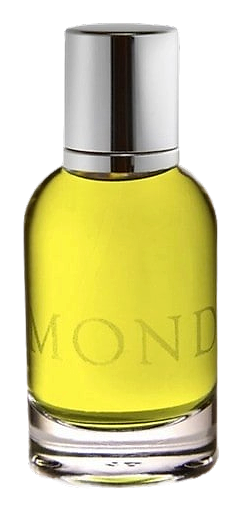
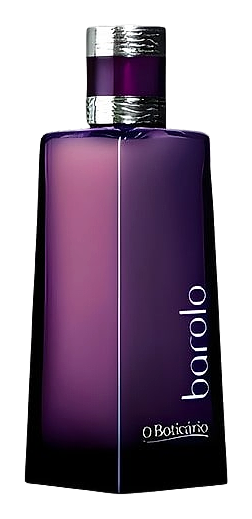
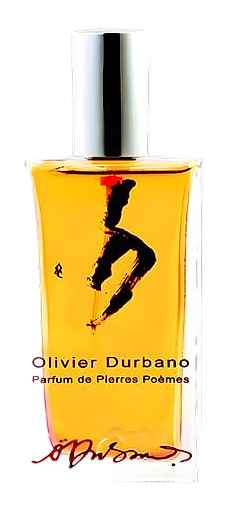
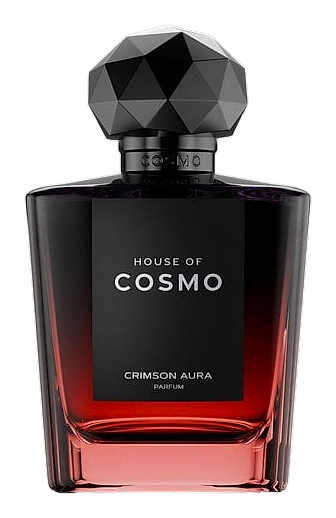
Fragrances featuring Wine
Good to know
Questions, answered
The essentials on Wine in perfumery: how it smells, where it comes from, and how it behaves on skin.
Is wine a natural fragrance ingredient?
Wine in perfumery is synthetic. Perfumers construct wine accords from individual aroma molecules like esters, lactones, and aldehydes to capture wine's complex scent profile. Natural wine extract exists but sees limited use due to alcohol content and inconsistent aroma across vintages.
What aroma molecules create wine in perfumery?
Ethyl acetate provides fruity, solvent-like qualities while wine lactone delivers characteristic wine aroma. Oak lactone contributes wood and vanilla notes from barrel aging. Damascenone and beta-ionone add fruity, floral depth. Isoamyl acetate brings fermented, banana-like qualities.
When did perfumers first use wine?
Ancient Mesopotamian and Egyptian perfumers incorporated fermented grape products around 4000 years ago. Medieval Arabian and European perfumers used wine and wine vinegar as diluents for attars. Synthetic wine accord construction emerged in the 20th century.
Which wine types work best in fragrance?
Red wine accords dominate perfumery, offering deep, jammy fruit with berry and plum notes. White wine appears less frequently, adding green apple, citrus, and mineral qualities. Champagne notes create bright, celebratory effects in lighter compositions.
Can natural wine extract work in perfumery?
Natural wine extracts exist but face limitations. Ethanol content complicates formulation, and aroma varies between vintages. Most perfumers prefer synthetic wine accords for consistency and precise intensity control across production batches.
Why do perfumers favor synthetic wine accords?
Synthetic construction provides consistent wine character without ethanol complications or vintage variation. Perfumers blend specific molecules to achieve precise red, white, or sparkling wine effects. This control ensures reproducible results in mass production.
How does wine interact with other fragrance notes?
Wine notes pair naturally with fruit notes like plum, raspberry, and cherry. Floral companions include rose and violet. Wood notes such as sandalwood and cedar complement aged wine qualities. These combinations create rich, layered fragrance compositions.
What should I expect from fragrances featuring wine notes?
Wine note fragrances open with bright, fruity qualities that deepen into jammy, fermented character. The dry down often reveals oak, vanilla, and spice from wine aging. Red wine fragrances trend darker and richer; white wine compositions stay lighter and crisper.