Volcanic Ash
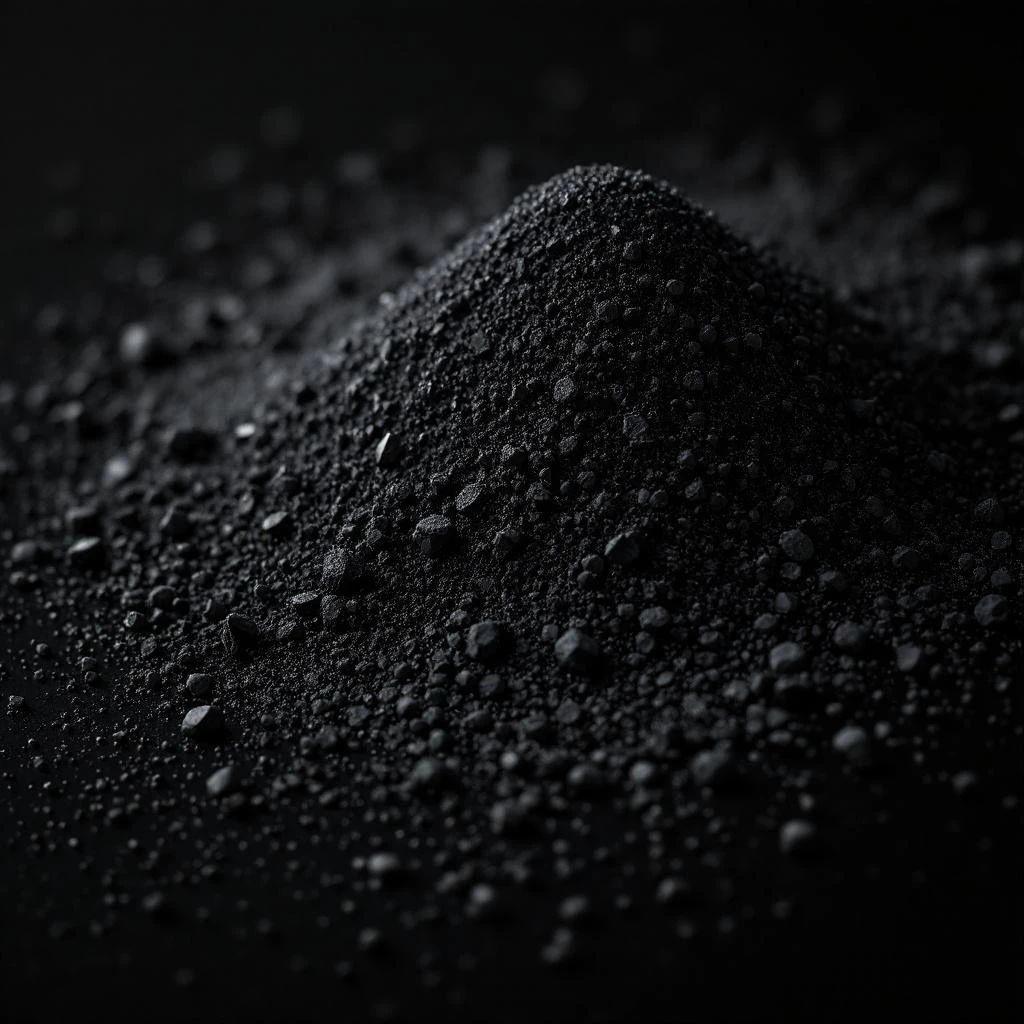
Volcanic ash brings a mineral, smoky edge to fragrance, evoking cooling lava fields and geothermal vents. Modern perfumers prize it for its petrichor-like depth and raw, elemental character.
Character
How it smells
Smoke and stone, bottled.
In 2017, Icelandic brewery Búðir used volcanic ash from the Eyjafjallajökull eruption to filter its beer. The same porous mineral finds its way into niche perfume accords.
Pairs beautifully with



Origin
Iceland
Long before perfumers bottled its essence, volcanic ash shaped human civilization. The Roman city of Pompeii lay entombed beneath pyroclastic flow from Mount Vesuvius in 79 CE, preserving perfumed oils and unguents that archaeologists later recovered from sealed vessels. Ancient Greeks burned incense at volcanic sites believed to be entrances to Hephaestus's forge, connecting fire and fragrance in early ritual practice.
Pacific islanders across Hawaii, Samoa, and Japan have long considered volcanic terrain sacred ground, where the scent of sulfur mingled with tropical blooms. The modern olfactory reference emerged in the early 2000s, when niche perfumers began seeking notes that conveyed geological drama. The 2010 Eyjafjallajökull eruption in Iceland, which grounded European flights for weeks, sparked artistic fascination with volcanic themes.
Since then, houses have explored ash accords to evoke post-eruption landscapes, where mineral dust settles on still-warm stone.
Wears it best
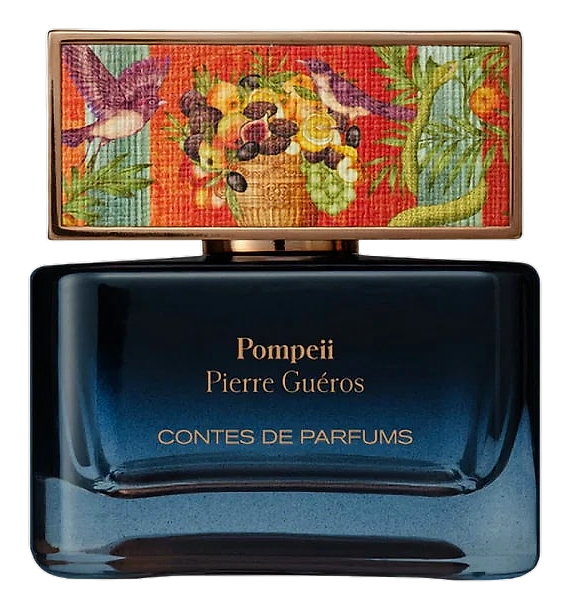
Fragrances featuring Volcanic Ash
Brands
Brands known for Volcanic Ash
Good to know
Questions, answered
The essentials on Volcanic Ash in perfumery: how it smells, where it comes from, and how it behaves on skin.
Is volcanic ash a real perfume ingredient?
Mostly symbolic. Most volcanic ash notes are synthetic reconstructions using molecules like ambroxan. A handful of niche perfumers incorporate genuine filtered ash from eruptions such as Iceland's Eyjafjallajökull (2010) for added mineral authenticity.
What does volcanic ash smell like in perfume?
It evokes cooling lava and scorched stone: smoky, sulfurous, slightly metallic, with petrichor-like minerality. The effect reads as atmospheric rather than aggressive, often softened by woody or amber base notes.
Where does volcanic ash for perfume come from?
Iceland is the primary source for authentic material used by artisan houses. Hawaii, Japan, and Italy (Vesuvius region) also supply ash, though most commercial fragrances rely on laboratory-made accords rather than harvested material.
Is volcanic ash safe to wear on skin?
Yes, when processed. Genuine ash used in fragrance is washed, sifted, and tested for heavy metals. Synthetic versions carry no particulate risk and behave like any standard fragrance molecule on skin.
When did volcanic ash become a fragrance note?
The concept gained traction in niche perfumery after 2010, following the Eyjafjallajökull eruption. It marked a broader trend toward mineral and geological accords in avant-garde fragrance composition.
Does volcanic ash contain real fragrance molecules?
Headspace analysis around active vents detects hydrogen sulfide, sulfur dioxide, and metallic oxides. These volatile compounds carry scent, though they are too reactive or pungent to use directly in most formulations.
What fragrances feature volcanic ash notes?
Several niche houses have explored the concept, including Etat Libre d'Orange's "Like This" and selective Icelandic-inspired releases. The note appears more frequently as a conceptual accord than a listed ingredient.
Can volcanic ash be combined with floral notes?
Absolutely. The contrast between delicate florals and raw minerality creates compelling tension, a technique used in several avant-garde compositions to suggest flowers blooming on volcanic soil.