The Story
Why it exists.
The beginning
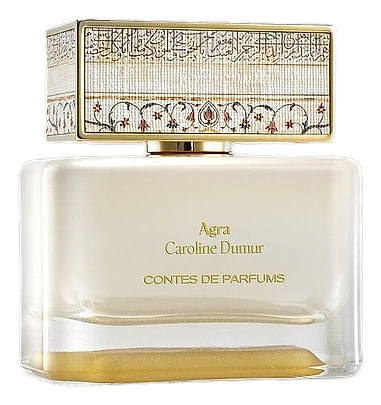
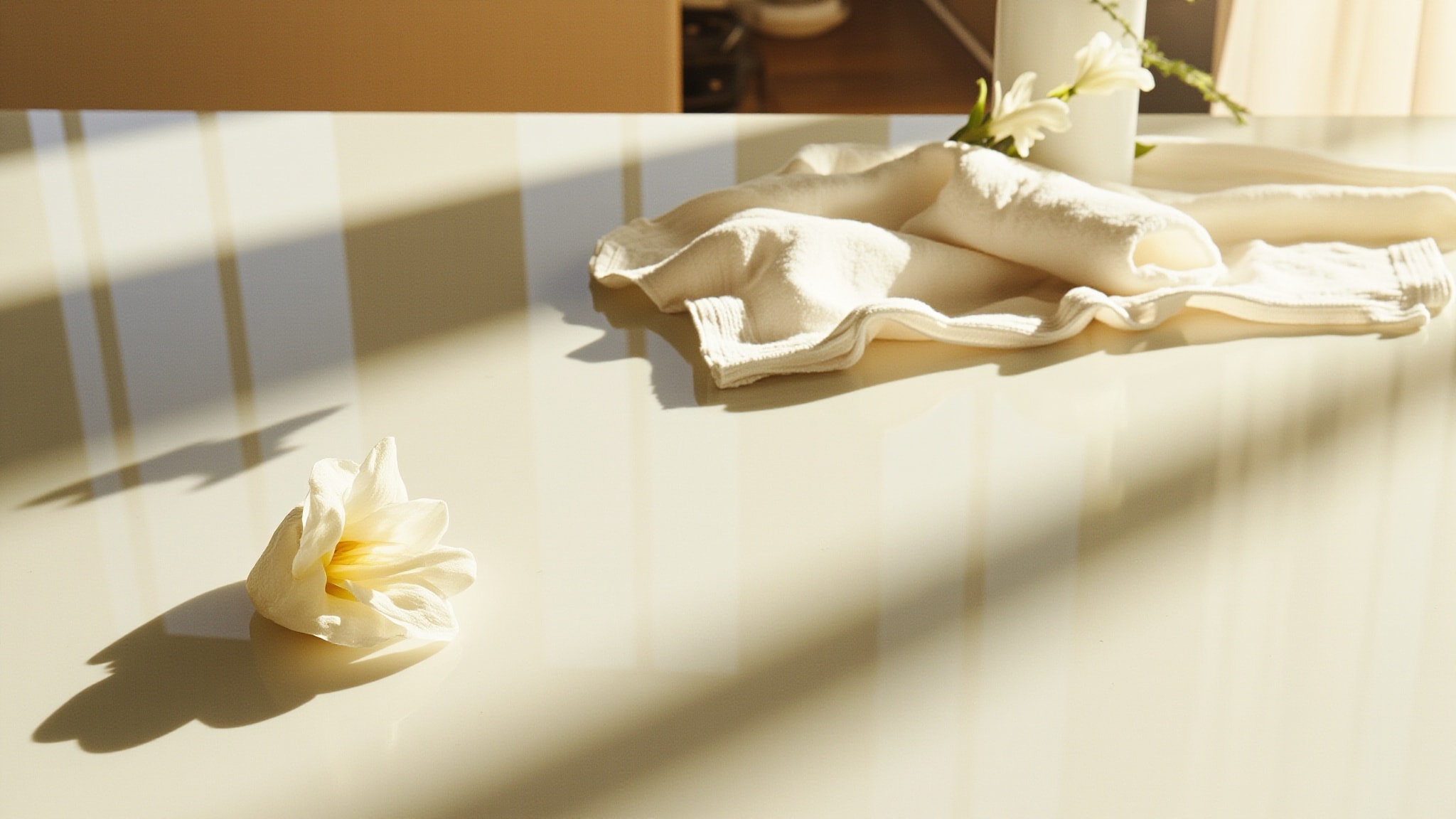
Agra is Caroline Dumur's entry in Contes de Parfums' Cities Collection, a rotating roster of perfumers each assigned a single urban moment and left to translate it. Dumur chose India, specifically the city of the Taj Mahal: white marble catching light at different hours, the weight of perfume traditions embedded in the culture's memory of scent. She built Agra from that atmosphere rather than from monuments. The brief was memory, not geography, the residue a place leaves on someone who experienced it.
Indian tuberose absolute is one of the costliest materials in perfumery, intensely fragrant, nearly impossible to synthetic-approximate convincingly. Dumur used the real thing, alongside jasmine sambac absolute, which carries a deeper, more rounded sweetness than its Egyptian counterpart. The pairing creates that specific creamy-lush quality that separates this from florals that smell clean or soapy. Ylang-ylang acts as the bridge, its slightly tropical, fatty-waxy character helps the tuberose and jasmine transition smoothly into the base rather than evaporating into thin air.
The evolution
The opening announces itself clearly: ginger and cardamom arrive together, bright and clean-spicy. The cardamom is warm but not heavy, it reads as spice without the scratch. Neroli arrives within the first minutes, adding a cool citrus quality that prevents the top from feeling dense. This phase lasts roughly an hour before the florals take over completely. The heart is where Agra earns its reputation. Indian tuberose absolute dominates, creamy, almost buttery, with jasmine sambac absolute lifting the composition. Ylang-ylang adds a faint tropical undertone that keeps the florals from feeling delicate or precious. This is a lush heart, but not an overwhelming one. The tuberose stays on the right side of animalic, present but never dirty. The drydown begins around hour four. The florals thin as tonka bean absolute and vanilla take over. The vanilla here is warm and sweet, the tonka adds a slightly powdery, hay-like quality that keeps the finish from becoming cloying.
Cultural impact
Agra occupies a specific corner of the niche market: white floral lovers who want richness without animalic intensity. The fragrance performs well in cooler seasons, its vanilla-tonka base benefits from skin warmth, and reads as elegant rather than bold. Wearers describe it as the scent of someone who doesn't need to announce themselves: present but never shouty, lasting but never overwhelming.