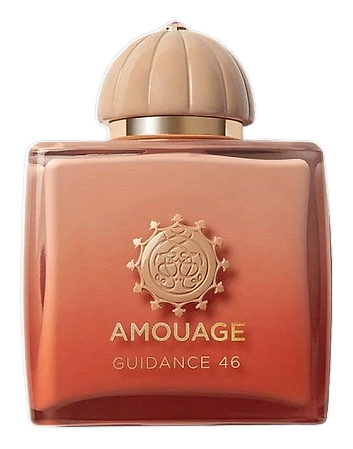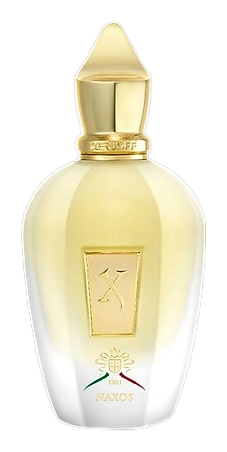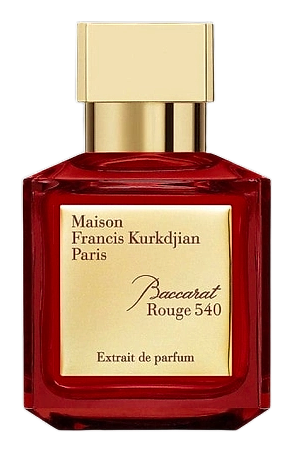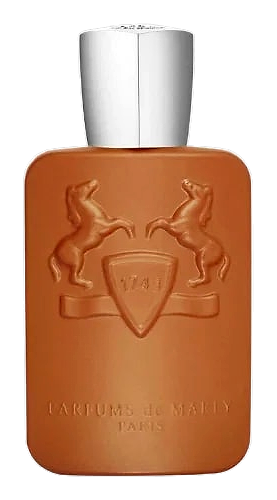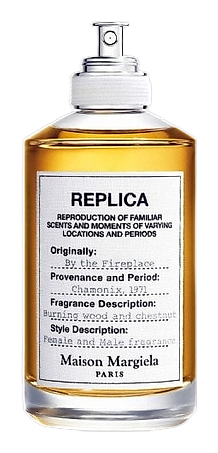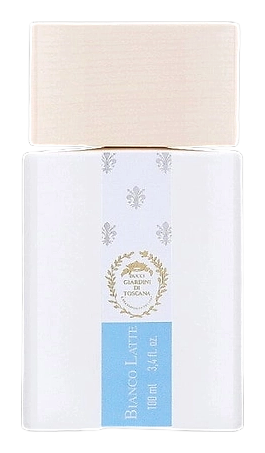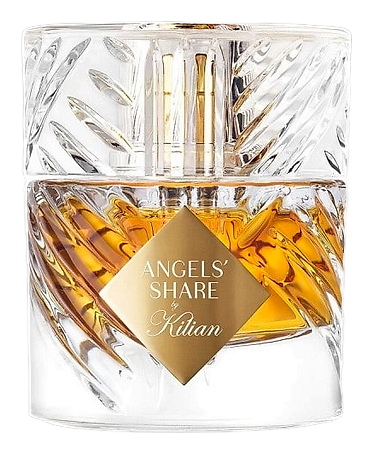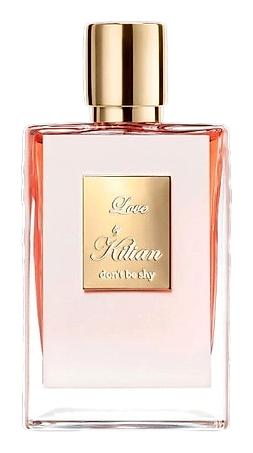
The Story
Why it exists.
The beginning
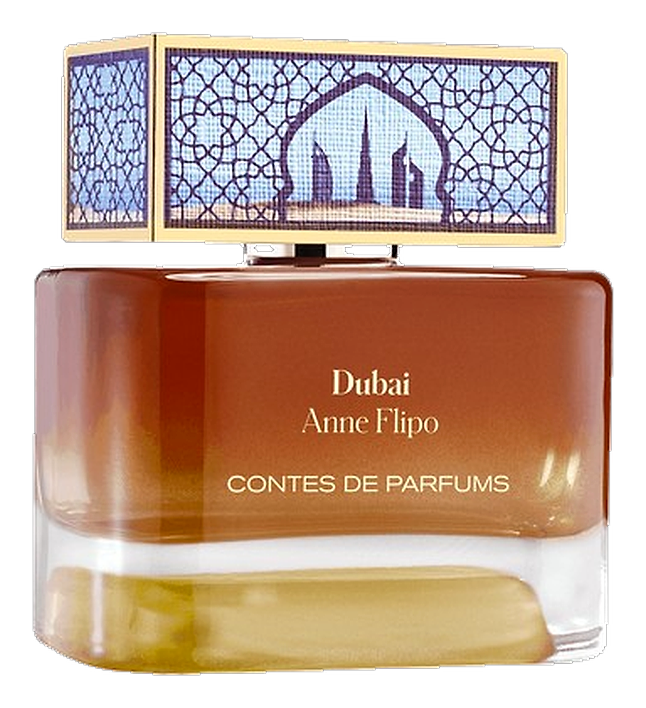
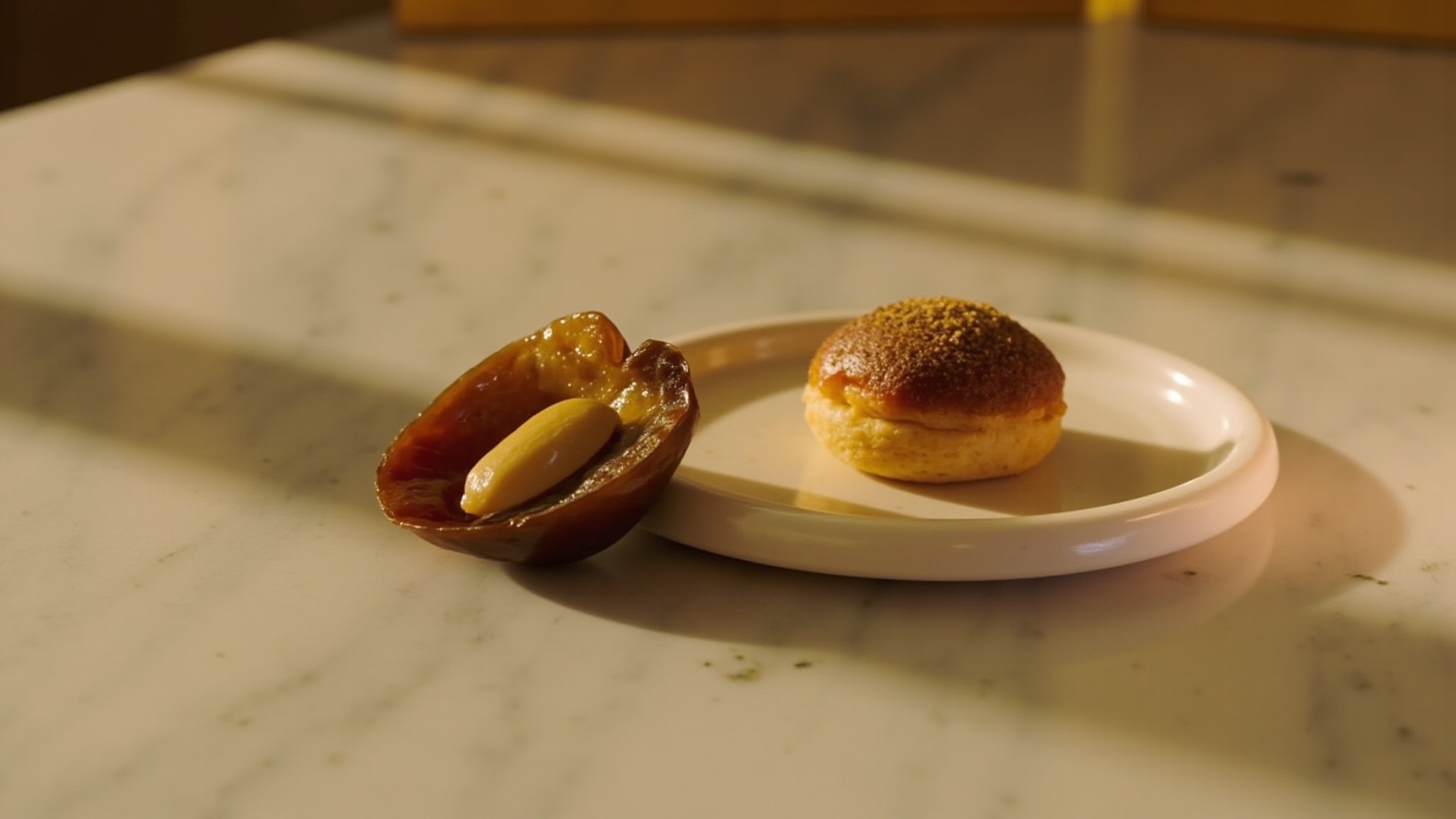
Anne Flipo remembers Dubai through a restaurant. Not any restaurant, one where arabesque carved wooden partitioning separates diners, where colored glass lanterns glint in low light and musicians play ouds on cushions. The waiter places amber dates studded with almonds, then a banquet of pastries elaborated with pine nuts, pistachios, and honey. Cardamom-flavoured Arabic coffee fills the air. This is the memory Dubai translates, lavish, avant-garde, retaining its culinary traditions.
What makes Dubai interesting isn't any single note, it's how they coexist. Dates and saffron open together, a dual sweetness that could easily become cloying. The geranium intervenes with a green, slightly bitter edge that keeps the gourmand from collapsing into sugar. Patchouli anchors the heart, adding an earthy depth that gives the sweetness somewhere to live rather than just float. The combination is distinctive: you smell the dessert, but you also smell the table it's served on.
The evolution
The opening hits saffron first, sharp, slightly medicinal, a flash of red against gold. Then the dates arrive, sweet and fleshy, and the mandarin orange adds a brightness that keeps the whole thing from settling too quickly. Twenty minutes in, the geranium takes over. It's unexpected, a green, almost floral note cutting through the sweetness like a glass of mint tea. The patchouli follows, pushing the composition toward earth. By the second hour, vanilla and amber have fully arrived. They stay. Warm without being heavy. The moss adds a quiet drydown, not a ghost, but a whisper of where the sweetness eventually fades.
Cultural impact
Dubai sits in a crowded field of Middle Eastern-inspired gourmand fragrances, but the dates-and-saffron opening gives it an identity distinct from the oud-and-amber templates. Wearers describe it as the scent of someone who doesn't need to explain themselves, confident, warm, unapologetically sweet.