The Story
Why it exists.
The beginning
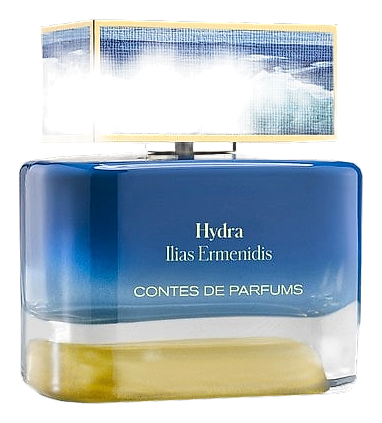
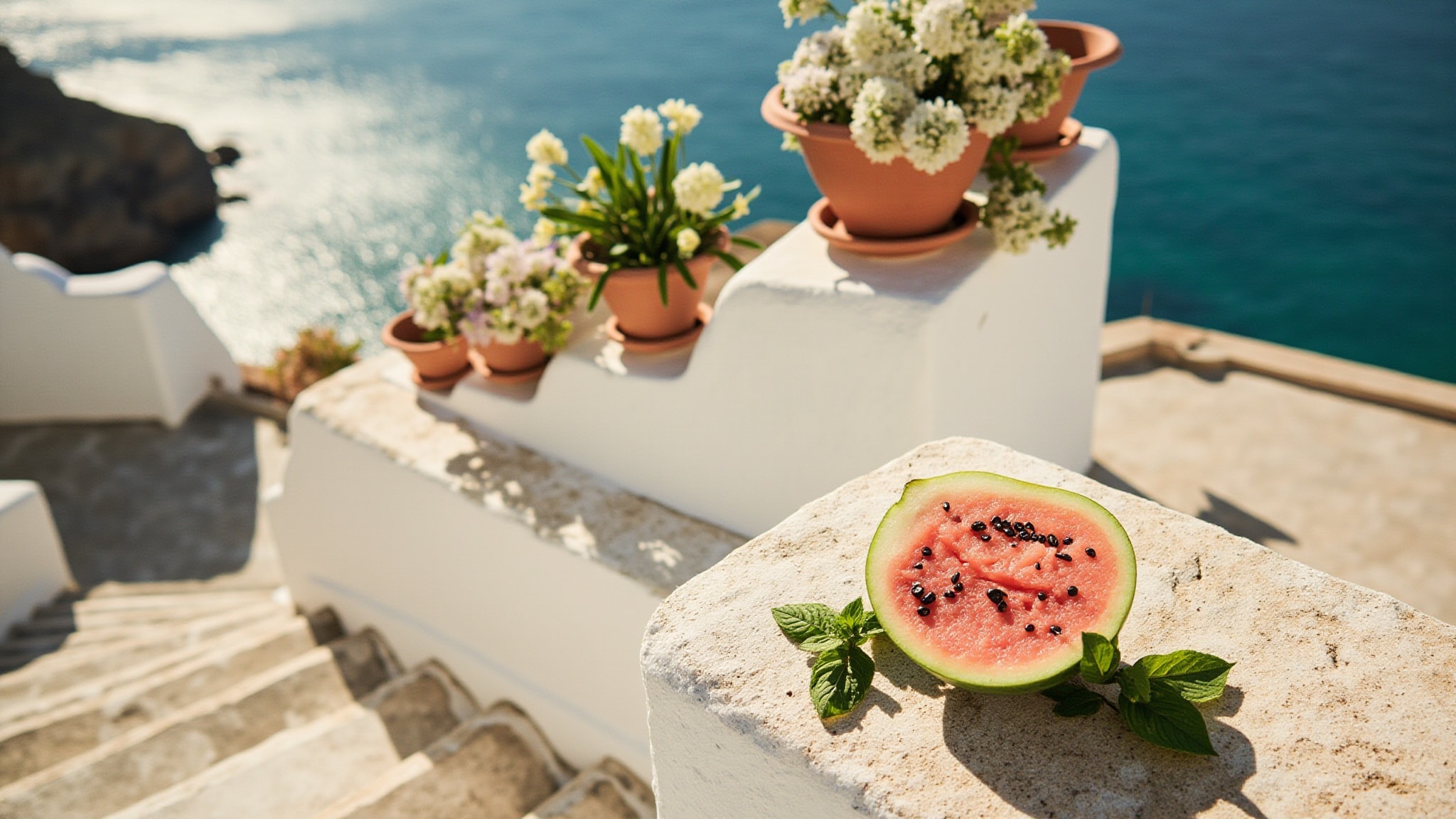
Ilias Ermenidis needed a break. A real one. So he went to Hydra, the Greek island with no cars, just stone steps, white walls, and water so clear it looks invented. He stayed for weeks, walking from his garden to the beach, drinking watermelon juice with fresh mint, breathing in jasmine and hyacinth that grew wild in terracotta pots. The island gave him what he needed: simplicity, peace, the sound of waves instead of notifications. When he left, he made a perfume about it. Hydra is that trip, rendered in scent.
The composition mirrors the island's restraint. Watermelon and mint arrive together, not as separate notes but as a single impression, like biting into cold fruit by the sea. Dried fruits add a faint sweetness that keeps the top from being merely refreshing. Then the florals: hyacinth and jasmine don't compete with the aquatic base; they lift it. White musk threads through everything, keeping the drydown close to skin rather than projecting outward. It's a deliberately quiet fragrance, one that rewards attention rather than demanding it.
The evolution
The opening hits fast: watermelon, mint, and a whisper of sea salt. For the first twenty minutes, it's aggressively fresh, almost cleansing. Then the dried fruits recede and the jasmine emerges, softer than expected, not indolic or heady but clean and slightly green. The hyacinth arrives around the thirty-minute mark, adding a floral buoyancy that balances the mint. By the second hour, the aquatic base takes over, not ozonic or synthetic-smelling, but the actual impression of wet stone and warm sand. White musk lingers into the drydown, close and intimate, leaving a trace that feels personal rather than projected. The sillage remains restrained throughout, the kind of fragrance that rewards closeness rather than announcing itself across a room.
Cultural impact
Hydra arrived as part of a broader movement in perfumery that values personal narrative and place-based storytelling over abstract luxury positioning. Contes de Parfums built its identity around geographic specificity, each fragrance functioning as a sensory postcard that invites the wearer into a particular moment and location. The brand's willingness to commit fully to a Greek island theme, with its named locations and transparent perfumer inspiration, created something that felt authentic in a market where many releases rely on generic luxury language. The fragrance itself succeeds because it doesn't try to be everything at once.