The Story
Why it exists.
The beginning
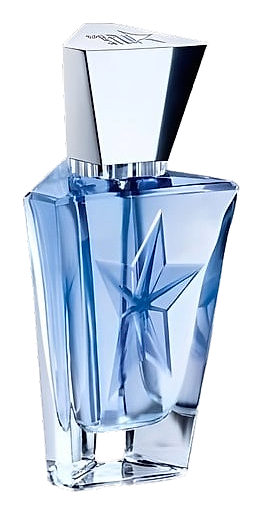
Mugler's house of otherworldly femininity needed a counterweight. While Angel commanded the room with patchouli and praline excess, Louise Turner was given a different brief for 2007: capture the moment a star steps out. Not the spotlight itself. The breath before it. The charged stillness of being watched and not caring. The name said it all: Eau de Star. Not perfume as armor. Perfume as arrival. Turner's challenge was to build something aquatic and gourmand at once, two families that don't naturally coexist. She reached for watermelon, honey, and vanilla against a patchouli base, then grounded the whole thing in mimosa's powdery warmth. The result was softer than Angel, more complex than the name suggested, and completely itself.
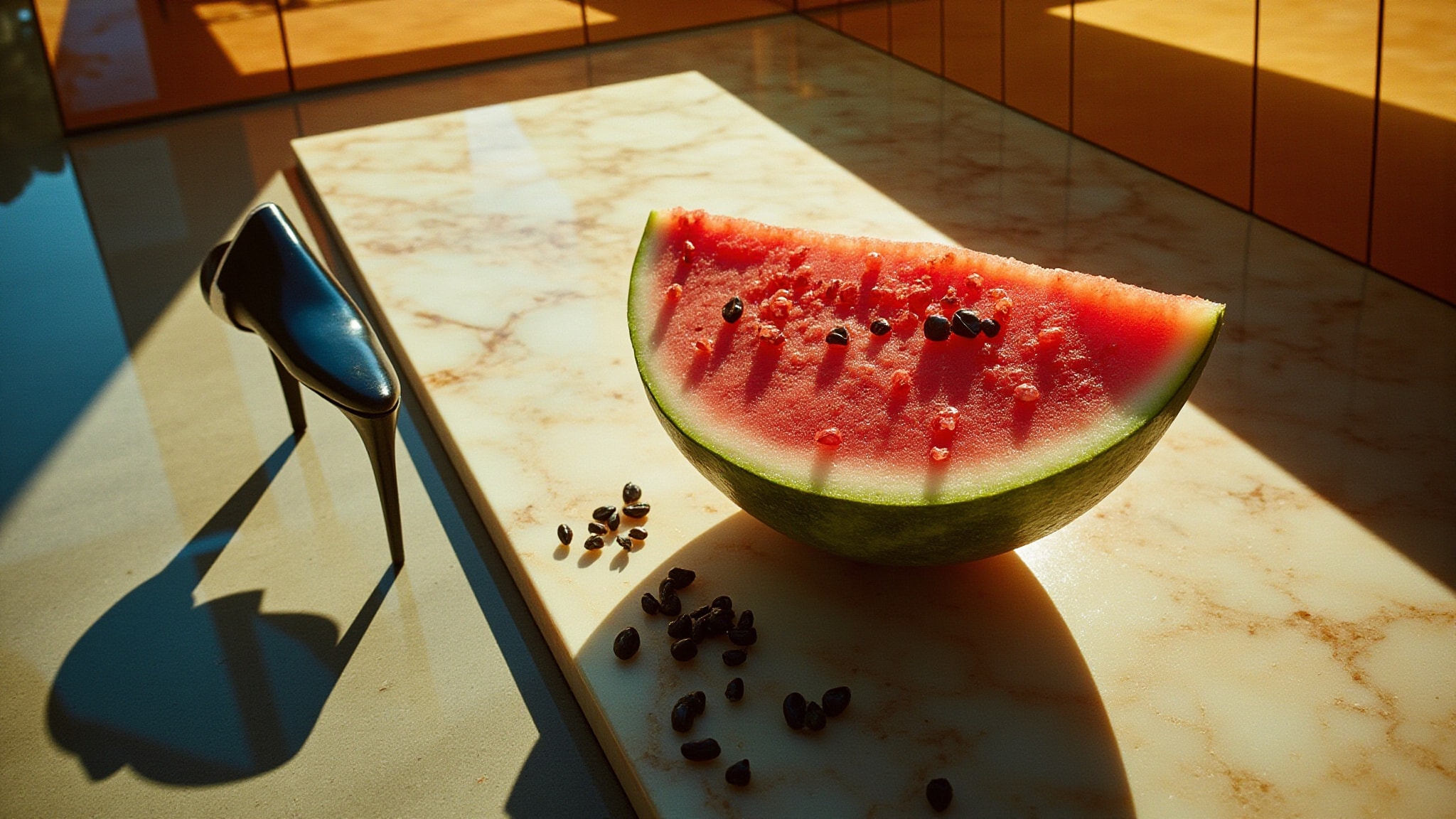
The watermelon note is the structural key. In perfumery, watery accords typically read cold, clean, mineral, almost clinical. Here, Turner paired that chill with warm honey and vanilla, which has a strange effect: it makes the freshness feel edible rather than clinical. One reviewer described it as salted caramel without the caramel, which is oddly precise. The mimosa does quiet work in the heart, adding a powdery softness that keeps the sweetness from becoming juvenile. And the patchouli, always present at Mugler, prevents the whole thing from floating away. It's the anchor. Without it, Eau de Star would be an air kiss. With it, the scent has somewhere to live on skin for hours.
The evolution
The opening announces itself within seconds. Watermelon, bright and almost green, the rind, not just the flesh. Underneath, ozonic air, cool as water sitting in a glass. For the first twenty minutes, it's clean. Aquatic. Almost minimalist by Mugler standards. Then the honey arrives, creeping in from the edges. It's not a sharp transition. The watermelon softens, the air lifts, and suddenly there's sweetness where there was just cool. The heart phase is where this fragrance earns its name. Mimosa dust, warm vanilla, the watermelon's remaining sweetness braiding together into something creamy and intimate. This is the wear-it-close phase. The drydown is where patchouli takes over, finally. A soft, woody warmth settles into the skin, lasting for hours after the honey has faded. On fabric, the vanilla stays longest, sleeping in a shirt sprayed this morning, you'd find it there still. On most skin, eight hours is the floor. Ten isn't a stretch.
Cultural impact
Eau de Star arrived in 2007 as a different kind of Mugler statement. Where Angel demanded attention through force, this fragrance suggested it, cool confidence rather than loud entrance. It's been discontinued since, which has only sharpened its cult status among collectors who recognize its unusual balance: aquatic freshness and gourmand sweetness coexisting without cancelling each other out. Reviewers consistently describe it as Angel's quieter, more wearable sibling, same house DNA, softer delivery. The watermelon-honey combination has made it memorable to everyone who wore it, even years later.