The Story
Why it exists.
The beginning
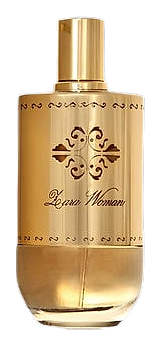
Zara Woman arrived in 2011 as part of Zara's expanding fragrance collection, the Spanish fashion retailer's move into beauty that matched the accessibility of its clothing. Where other mass-market scents of the era leaned heavily on citrus or aquatic freshness, Zara Woman made an early bet on sweetness: caramel, peach, vanilla. The idea was straightforward, offer a fragrance that felt fashionable without the traditional luxury markup. Zara's retail footprint meant these bottles appeared in the same stores where customers bought everyday pieces, making scent discovery feel casual rather than ceremonial. The 2011 launch placed Zara Woman squarely in the era of gourmand femininity, the period when caramel notes were becoming a dominant force in women's fragrance. The composition didn't reinvent the wheel so much as dress it in something pretty and affordable.
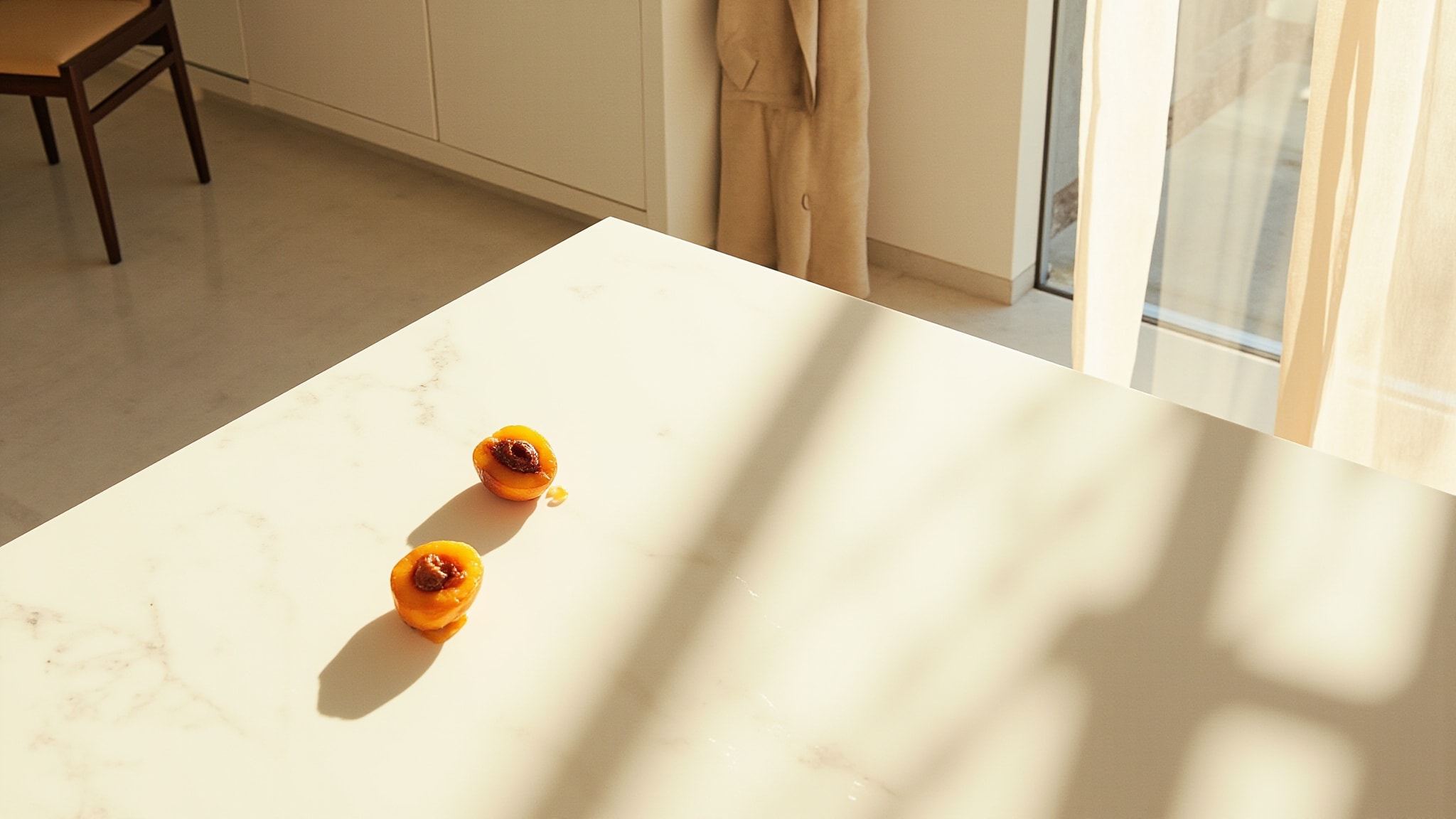
What makes Zara Woman work isn't complexity, it's the restraint within a rich palette. Caramel can easily tip into synthetic territory, but here it reads warm and slightly buttery, grounded by a vanilla base that gives the sweetness somewhere to live rather than just dissipate. The peach note keeps the opening from feeling heavy, adding a fruity brightness that opens the fragrance before the florals arrive. Rose and violet in the heart are powder-forward rather than fresh or green, they act as a bridge between the juicy top and the warm drydown, not as a dominant force. The result is a fragrance that feels cohesive from first spray to final fade, with each layer handing off to the next rather than competing.
The evolution
The opening hits with caramel's sticky warmth and peach's bright juiciness, immediate, sweet, and confident. Within fifteen minutes, the rose and violet arrive, softening the sweetness into something powdery and graceful. The florals don't try to take over; they simply round the edges. By the second hour, the vanilla and musk have fully established themselves, creating a warm, close-to-skin drydown that lingers for four to six hours depending on skin chemistry. The sillage is moderate, present in the first hour, then intimate and persistent for the remainder. What surprises is how the fragrance doesn't dramatically transform across phases. The progression is smooth, almost gentle, from bright caramel to warm powder to skin-close vanilla. There's no dramatic reveal, no sharp pivot, just a coherent scent that does what it promises and does it comfortably.
Cultural impact
Zara Woman occupies a particular space in mass-market fragrance, not a statement scent, not a collector's piece, but an honest everyday option. For someone who wants something sweet and pleasant without committing to a high-end bottle, it delivers. The 2011 launch predates Zara's more recent high-profile fragrance collaborations, making it a quieter artifact of the brand's earlier beauty strategy.