The Story
Why it exists.
The beginning
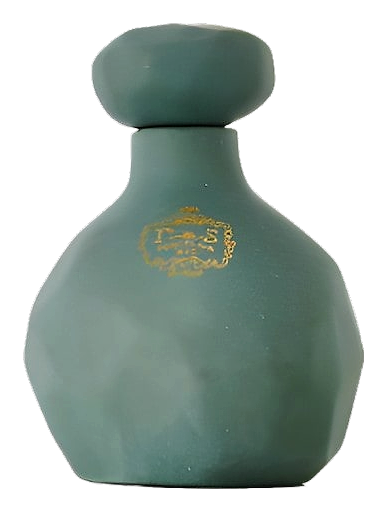
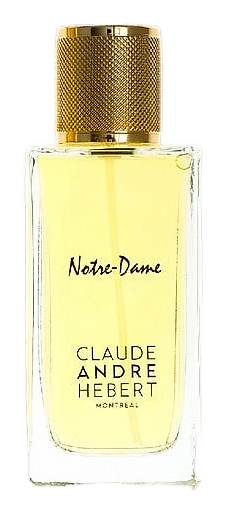
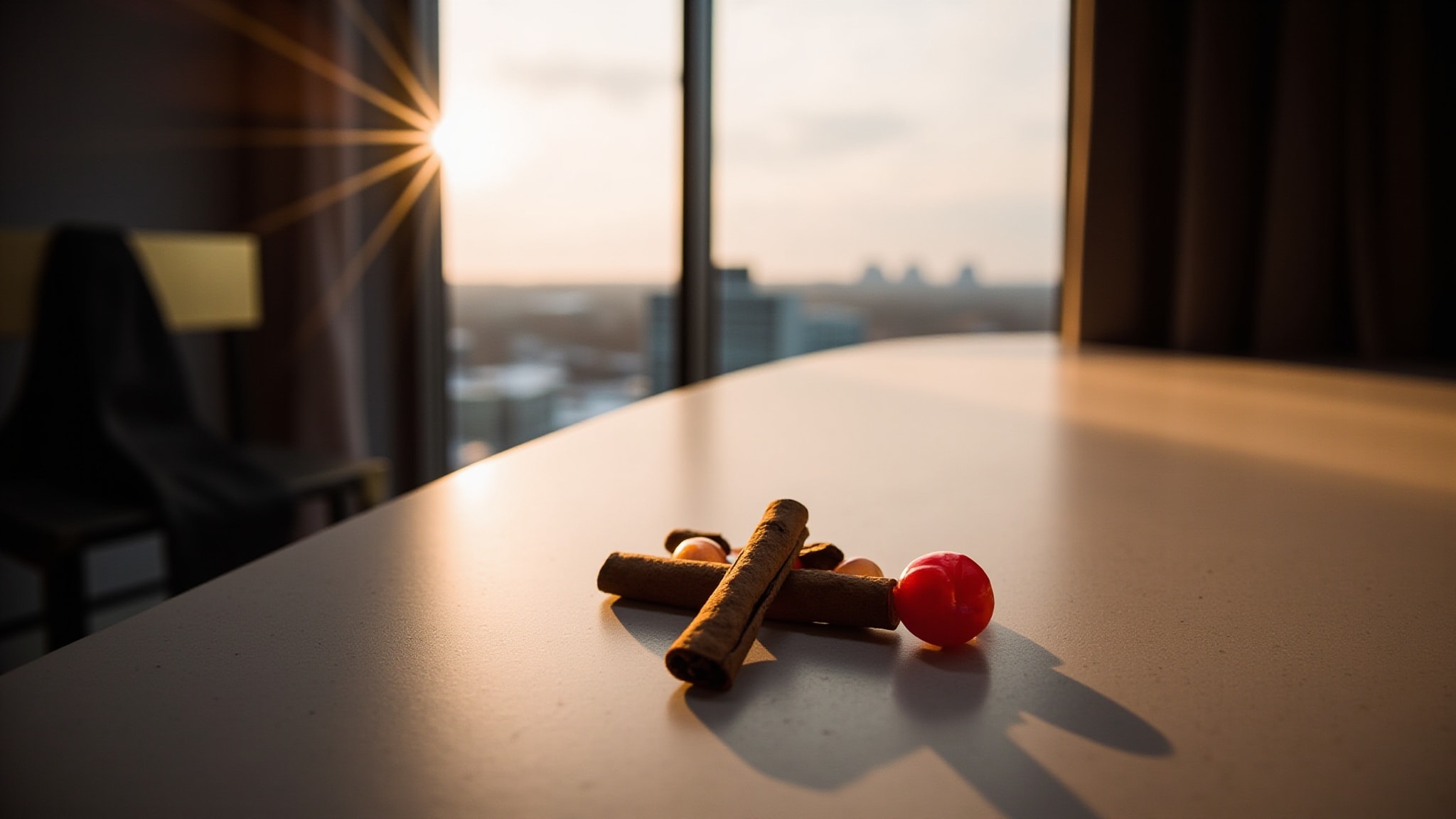
Notre-Dame is one of Claude André Hébert’s fragrances, named for the basilica and shaped by a rich, heady concept intended for special occasions. Its composition leans on a striking mixture of spices, balancing aromatic heat with contrasting notes that keep the scent layered and dynamic. Bergamot and mandarin bring brightness to the opening, while red berries introduce a lively tartness. Ginger and cinnamon add warmth, and pepper provides a dry edge that prevents the spice from becoming overly sweet. The heart reveals iris, lily and orange blossom, followed by the darker presence of incense. As the fragrance settles, tonka bean and white musk round out the composition with warmth and softness, giving Notre-Dame a polished sense of depth and structure.
What makes the composition interesting is the collision. Citrus and berries arrive with luminous brightness, opening the fragrance with a fresh, tart energy. Cinnamon and ginger push warmth against that brightness, and pepper keeps the whole thing from turning sweet. Then the heart lands somewhere unexpected, iris and lily and orange blossom placed against incense. The florals soften the darker spice without obscuring it, creating a nuanced contrast between polished petals and resinous smoke.
The evolution
It starts sharp and luminous. Bergamot and mandarin give it daylight, red berries add a bright tartness, and ginger and cinnamon arrive as clean heat rather than baking sugar. The opening creates a lively contrast between fresh citrus, fruit and warming spice. Then the heart arrives and the composition gains depth. Iris, lily and orange blossom lay something soft over the spice, and the smoke of incense creeps in underneath, pulling the whole thing darker and more resonant. The florals remain distinct rather than forming a single sweet bouquet: iris contributes a cool, powdered character, lily a soft floral texture, and orange blossom a brighter floral accent. Incense meets those notes with dry, smoky depth. The drydown is where Notre-Dame becomes its own fragrance.
Cultural impact
Notre-Dame takes its name from the basilica, turning a prominent Montreal landmark into a fragrance reference. The basilica’s presence in the name connects the scent to a familiar urban setting without making the composition a literal representation of the building. Instead, place is translated through perfume: bergamot and mandarin offer brightness, berries contribute tart energy, and ginger, cinnamon and pepper create warmth and texture. Iris, lily and orange blossom give the heart a refined floral character, while incense adds a darker, more contemplative layer.
The House
Claude Andre HebertClaude André Hébert is the name behind Hébert Parfums, a Montreal fragrance house founded by perfumer Claude André Hébert. The house is known for composing fragrances around Montreal, including Notre-Dame, Mont-Royal, Métropole, À l’Ombre des Clochers and Ville-Marie, all introduced in 2016. Hébert developed his own line in 2002 after looking beyond ingredient-led perfumery toward the atmosphere, history and emotional character of a place. The brand also offers made-to-measure fragrances through its boutique and laboratory at Place Ville Marie. Hebert has worked in the fragrance industry for nearly four decades and created Angel for mass distribution in 1995 before establishing his own house.
The Creator
Claude Andre HebertHébert’s style favors exacting composition, small-batch production and a close attention to the character of each ingredient. His method places technical precision in service of emotion, allowing materials to clarify a brief rather than compete for attention.