The Story
Why it exists.
The beginning
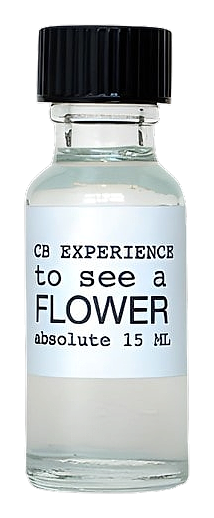
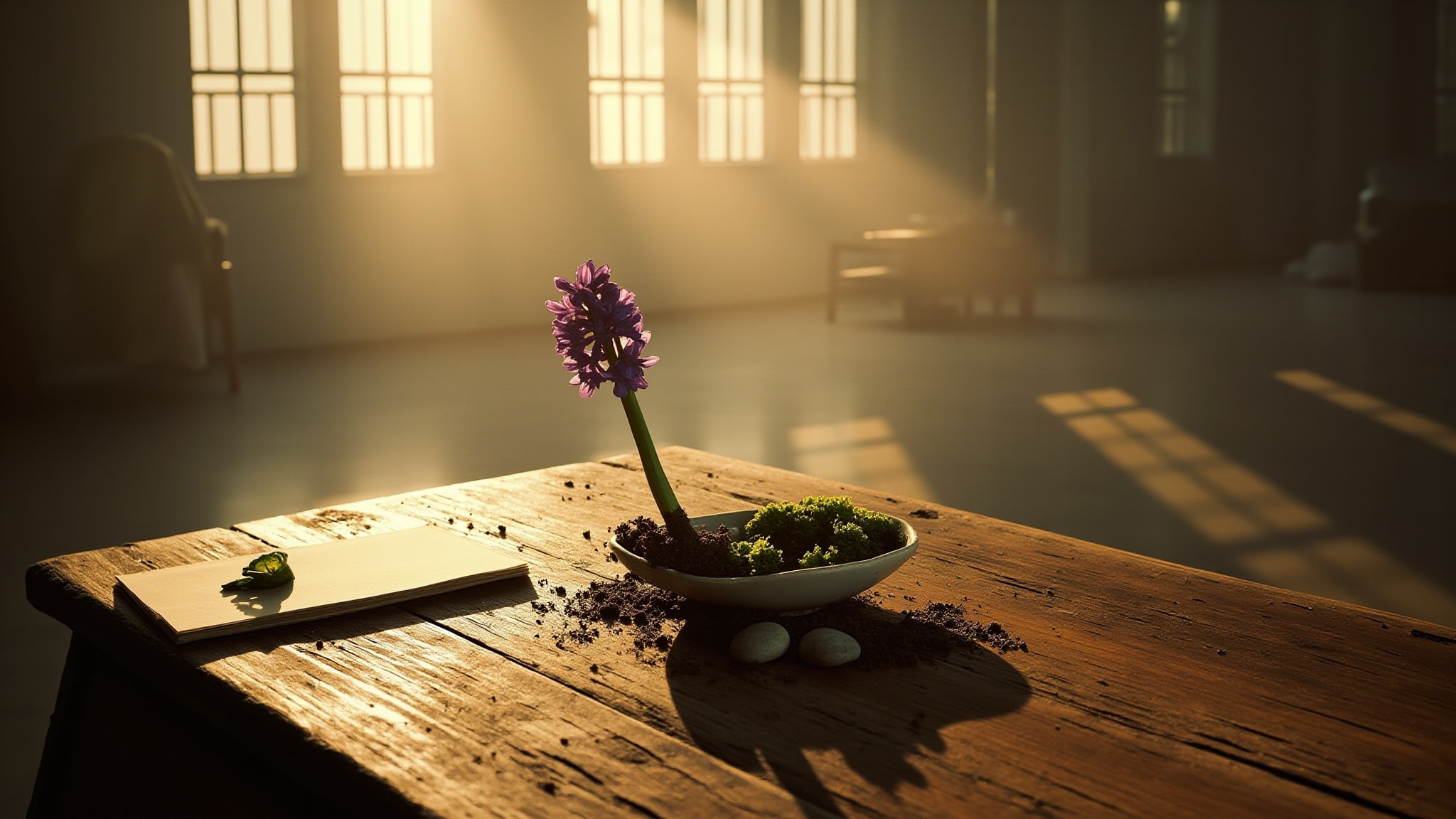
The name says everything. To See A Flower isn't about the flower in the vase, it's about the one in the ground, the one you have to bend down to find. Christopher Brosius was after that specific moment: when you lean close to look at a bloom and notice instead the soil around it, the green shoots pushing through, the moss at the stem's base. Brosius gathered hyacinth, daffodil, jonquil, and crocus, the delicate spring flowers, but kept the composition tethered to earth and green, refusing to let it float into another pretty floral. The fragrance lives in that tension, between the bloom and everything that holds it.
The green notes aren't a supporting actor here, they're the spine of the whole thing, the living tissue that connects root to petal. What makes this composition unusual is how the soil tincture and oak moss don't sit underneath as a base but weave through the entire structure, keeping the flowers from ever fully leaving the ground. The saffron adds a small warmth, a spiced undercurrent that prevents the whole thing from being purely pastoral. Brosius isn't interested in making flowers smell polite. He's interested in making them smell alive.
The evolution
The opening hits green, that immediate crush of stems and cool damp soil. Then the flowers arrive, but they smell like they're still growing rather than cut. Hyacinth leads with its characteristic green-floral intensity, slightly acidic, almost onion-like in its sharpness. Narcissus adds that particular yellow-floral sweetness with a hint of the animalic. The earth note grows as the top phase settles, the soil tincture and moss coming forward. The flowers are still there but they've sunk back into their environment. By drydown, the green has softened but the earth and moss hold, this is where the fragrance becomes itself. Not a floral perfume that happens to have dirt in it. A dirt perfume that happens to have flowers in it.
Cultural impact
Brosius's other olfactory narratives include Wet Pavement London and Burning Leaves, each one a specific place or memory translated into scent. To See A Flower sits among his most accessible, though that's a low bar. Still unconventional, still conceptual, but with enough floral structure to feel approachable. Among niche fragrance enthusiasts, it's considered a study in restraint, a fragrance that finds beauty in earth and green rather than in sweetness. The kind of scent that sparks conversation because it doesn't fit neatly into any category.