














The Heritage
The Story of CB I Hate Perfume
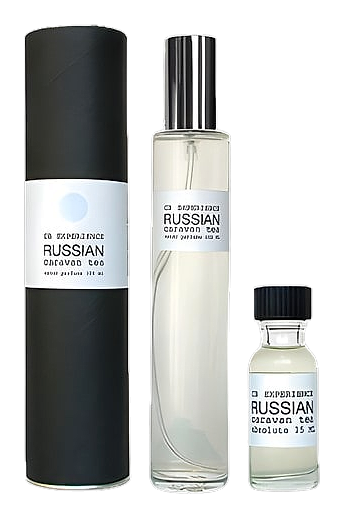
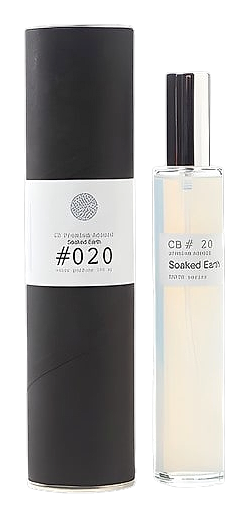
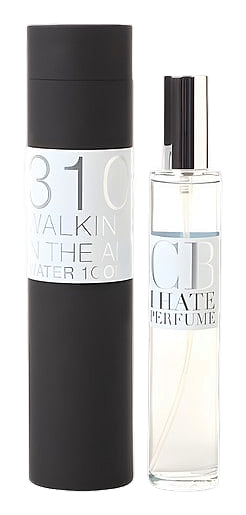
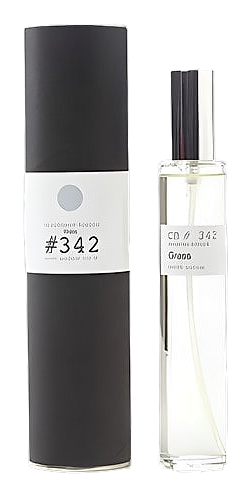
CB I Hate Perfume is a Brooklyn‑based niche fragrance house founded by Christopher Brosius. The label treats scent as a personal narrative rather than a commodity, offering small‑batch creations that often blend unconventional ingredients. Each launch arrives with a handwritten note, inviting the wearer to experience the perfume as a moment in time rather than a mass‑produced product. The brand’s catalogue includes titles such as Cradle of Light (2006) and Wet Pavement London (2014), each reflecting Brosius’s idiosyncratic relationship with smell.
Heritage
Christopher Brosius entered the fragrance world while working at Kiehl's in the early 1990s. After leaving the retailer in 1993 he launched a short‑lived venture called Demeter, which allowed him to experiment with raw materials outside the constraints of commercial perfumery. In 1992 he drafted a personal manifesto that outlined his intent to create scents that resisted market trends and instead served as olfactory diaries. The first public offering under his own name appeared at Henri Bendel in the spring of 1994, where a handful of experimental bottles sold out quickly. Over the next decade Brosius refined his approach, producing water‑based perfumes and absolutes that emphasized texture and memory. In 2004 he formalized the operation as CB I Hate Perfume, a name that references his experience as a taxi driver who grew weary of the overpowering aromas carried by passengers. The brand’s Brooklyn storefront opened in 2007, providing a physical space where visitors could sample the line, read the manifesto on the walls, and purchase limited‑run bottles directly from the creator. Since then, CB I Hate Perfume has maintained a steady output of releases, each accompanied by a brief essay that situates the scent within a broader narrative. Milestones include the 2005 launch of At The Beach 1966, the 2009 introduction of Smokey Tobacco, and the 2014 debut of Wet Pavement London, a fragrance that captured the damp concrete of a city after rain. Throughout its history the house has resisted conventional retail channels, preferring direct sales and occasional pop‑up events, a strategy that preserves the intimate scale envisioned in the original manifesto.
Craftsmanship
CB I Hate Perfume produces its fragrances in small batches, often using hand‑measured quantities of absolutes, essential oils, and water‑based carriers. Brosius sources many raw materials from specialty suppliers in France, Italy, and the United States, prioritizing ingredients that retain a tactile quality, such as natural resins, dried botanicals, and synthetic aromachemicals that mimic everyday scents. Production takes place in a modest studio behind the Brooklyn storefront, where the perfumer mixes, ages, and decants each formula by hand. The process includes a period of maceration, during which the blend rests in glass containers to allow volatile compounds to integrate fully. Quality control is performed through sensory evaluation rather than instrumental analysis; Brosius and a small circle of trusted colleagues assess each batch for consistency with the original vision. Bottles are filled using manual pipettes, then sealed with simple caps that echo the brand’s minimalist aesthetic. Labels are handwritten on cardstock, providing a personal touch that distinguishes each release. The house also experiments with water‑based perfume formats, a technique that reduces alcohol content and yields a lighter, more skin‑friendly projection, as demonstrated in the 2014 Wet Pavement London. By maintaining a hands‑on approach from ingredient selection to final packaging, the brand preserves the artisanal integrity that its manifesto champions.
Design Language
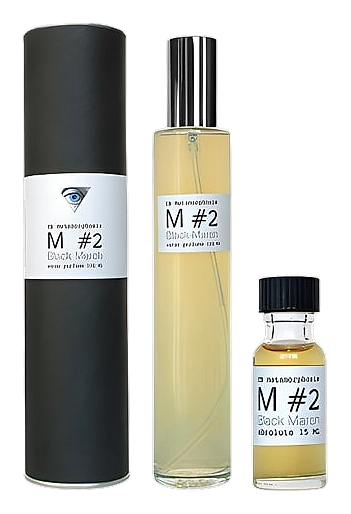
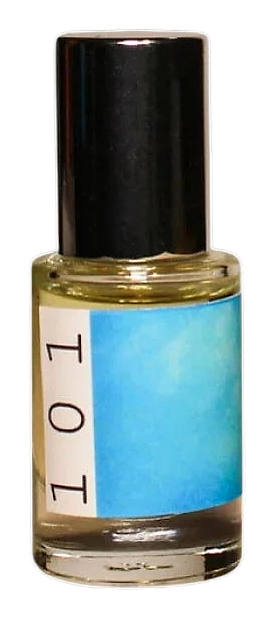
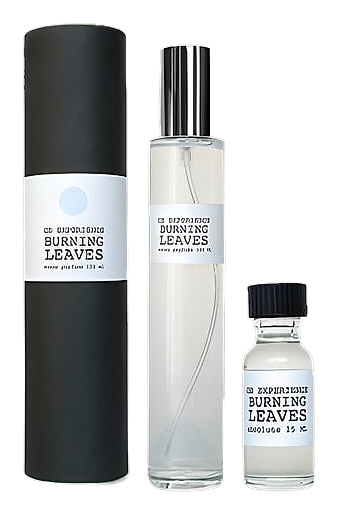
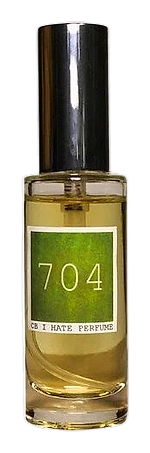
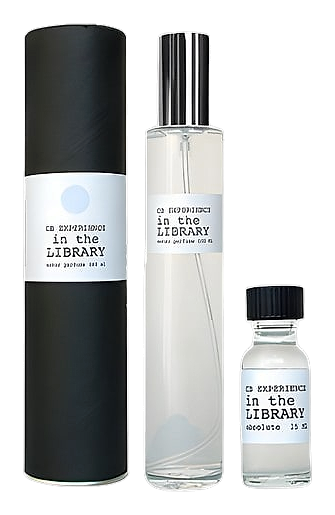
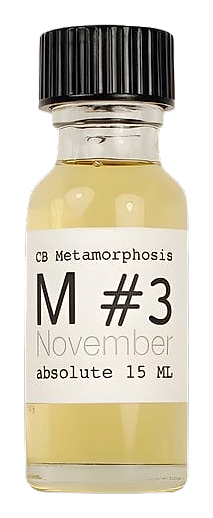
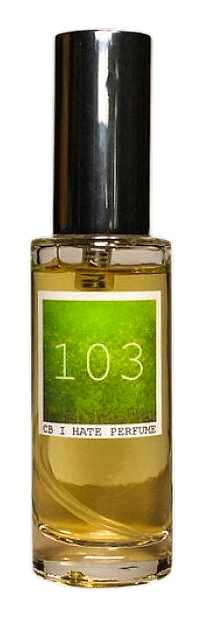
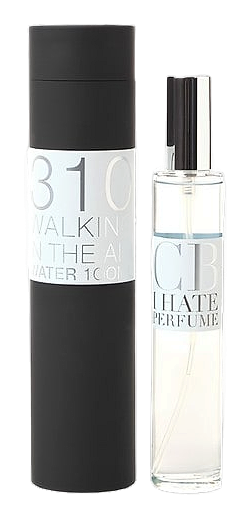
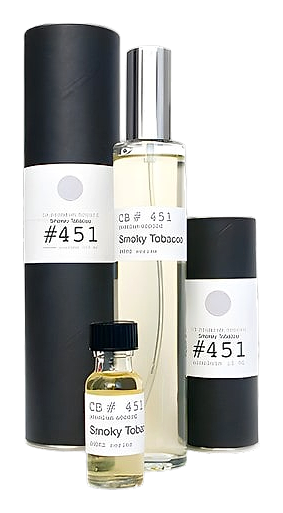
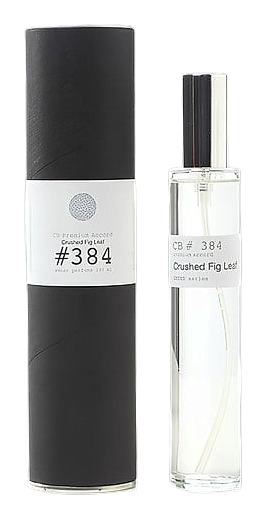
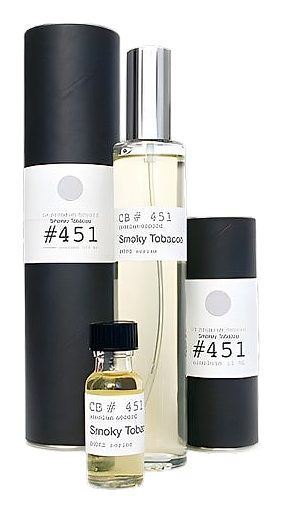
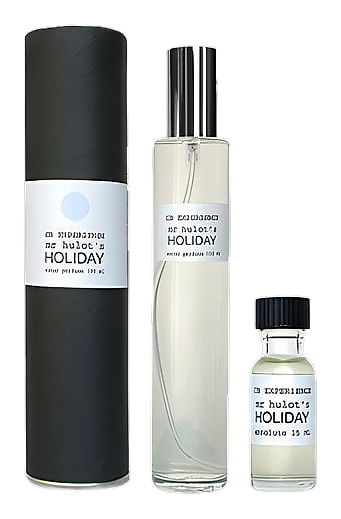
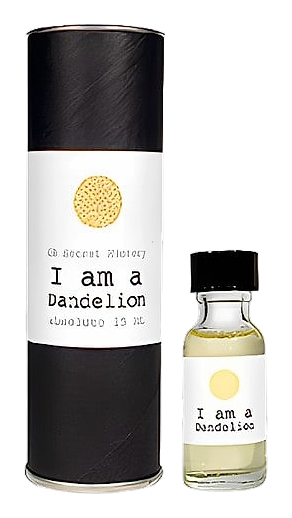
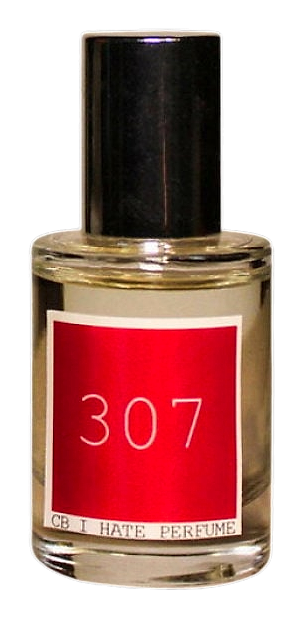
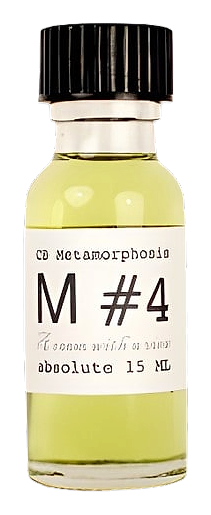
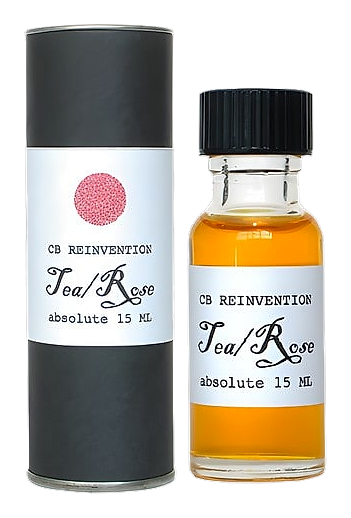
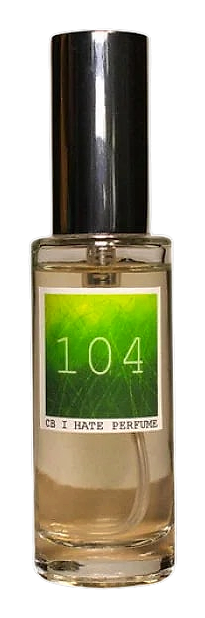
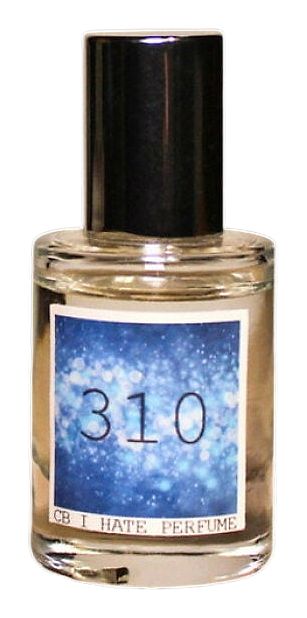
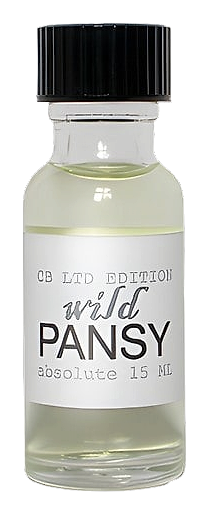
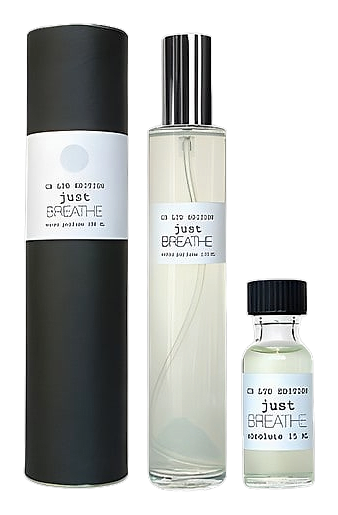
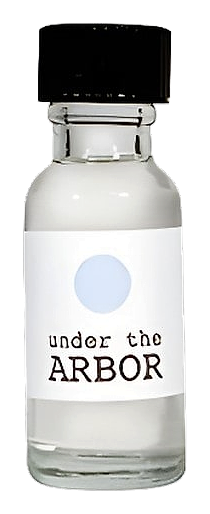
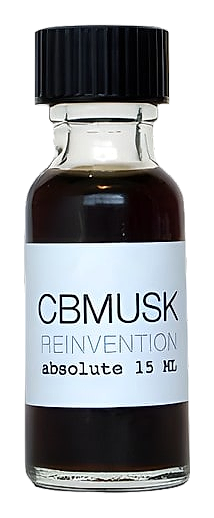
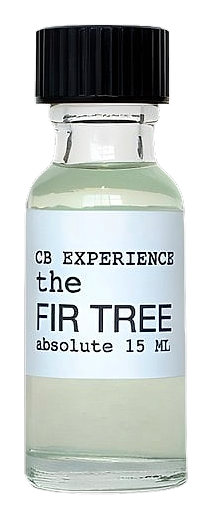
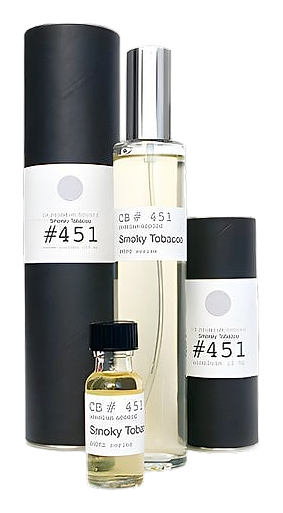
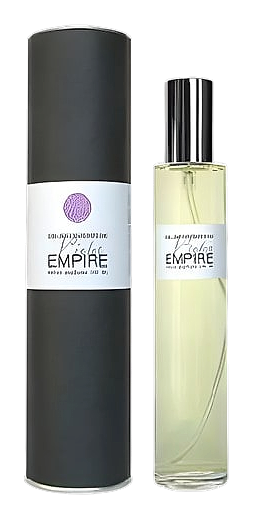
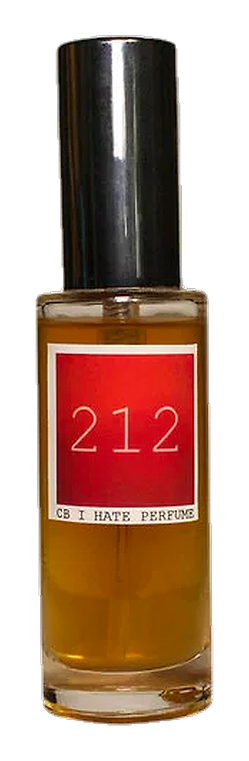
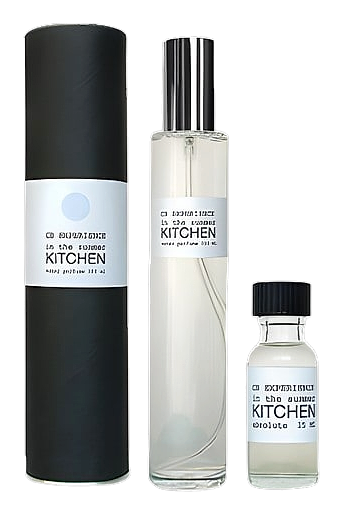
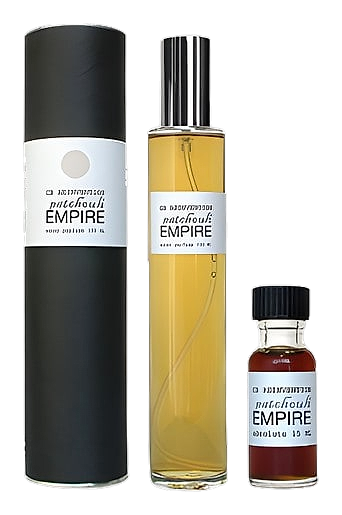
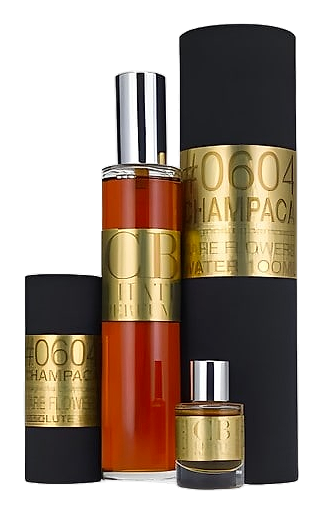
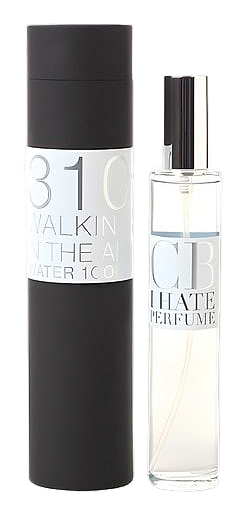
Visually, CB I Hate Perfume favors stark simplicity. Bottles are typically clear glass with narrow necks, allowing the liquid’s color to become the primary visual cue. Caps are unadorned metal or matte plastic, reflecting the brand’s rejection of ornamental excess. Labels consist of hand‑written text on off‑white cardstock, often featuring a brief anecdote or the date of creation. The Brooklyn shop mirrors this aesthetic: exposed brick walls, reclaimed wood shelving, and a modest display of bottles arranged by scent family rather than brand hierarchy. Promotional materials are limited to handwritten flyers and a modest website that mirrors the physical space’s clean layout. The overall image conveys a sense of quiet curiosity, inviting visitors to focus on the scent itself rather than flashy branding. Even the brand’s logo—a simple typographic rendering of the initials "CB"—eschews elaborate graphics, reinforcing the notion that the perfume, not the packaging, carries the narrative weight.
Philosophy
The brand’s guiding principle stems from Brosius’s 1992 manifesto, which frames scent as a lived experience rather than a decorative accessory. He describes perfume as a "conversation with the self," encouraging wearers to recall specific moments, places, or emotions triggered by a particular aroma. This perspective rejects the idea of fragrance as a status symbol; instead, each composition is intended to act as a personal archive. The house avoids trend‑driven ingredients, opting instead for materials that evoke memory—wet pavement, tobacco smoke, or the salty tang of a beach from a particular year. Brosius also embraces chance in the creative process, allowing raw materials to interact in unpredictable ways before committing to a final formula. The resulting scents are documented with brief narratives that explain the inspiration behind each note, reinforcing the notion that perfume is a story rather than a product. By limiting batch sizes and distributing primarily through the Brooklyn shop and a curated online platform, the brand ensures that each bottle remains a unique artifact, aligned with the philosophy of intimate, unmediated olfactory expression.
Key Milestones
1992
Christopher Brosius writes a personal manifesto outlining his intent to create scent as a personal narrative.
1994
First public release sold at Henri Bendel, marking the debut of Brosius's experimental fragrances.
2004
Formal establishment of CB I Hate Perfume as a distinct brand.
2007
Opening of the Brooklyn storefront, providing a dedicated space for sampling and direct sales.
2014
Launch of Wet Pavement London, a water‑based perfume that captures the scent of rain‑slicked city streets.
2020
Introduction of a limited‑edition series featuring hand‑drawn label artwork, reinforcing the brand's artisanal focus.
At a Glance
Brand profile snapshot
Origin
United States
Founded
2004
Heritage
22
Years active
Collection
2
Fragrances released
Avg Rating
3.9
Community sentiment
Release Rhythm


