Claude André Hébert
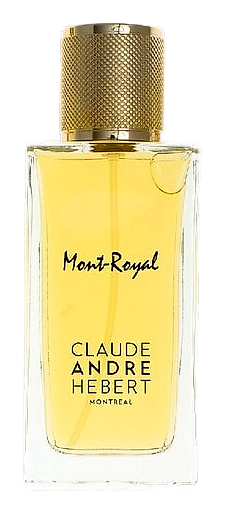
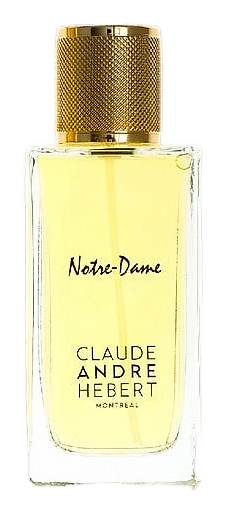
Claude André Hébert began his fragrance career at 18, moving through positions with Aramis, Lancaster and Thierry Mugler. His early connection to Angel during its 1995 Canadian launch, when he served as regional commercial manager, gave him an unusually close view of how a bold new fragrance can shape a market. He later became Director of Thierry Mugler Parfumerie for Eastern Canada. In 2002, he answered the call to create fragrance on his own terms, establishing Hébert Haute Parfumerie. What began as an independent pursuit has grown into a practice defined by personal consultation, careful formulation and small-batch precision. Today, Hébert is known for bespoke commissions and place-inspired scents, including a five-fragrance collection created for Montréal’s 375th anniversary.
The hits
Notable creations
The signature
How Claude composes
Hébert’s style favors exacting composition, small-batch production and a close attention to the character of each ingredient. His method places technical precision in service of emotion, allowing materials to clarify a brief rather than compete for attention. The work often begins with personal or local inspiration, including his city-inspired scents for Montréal. Although his palette and finished effects vary by project, the recurring signature is a composed, articulate scent with a clear sense of place. His bespoke process further reflects this approach: consultation leads to formulation, refinement and a fragrance built around the client’s own vocabulary.
Philosophy
What drives Claude
Hébert treats perfume as a precise act of authorship, with the client, a place or a defining memory at its center. His work is rooted in consultation, close listening and iterative formulation rather than a fixed house style. The approach draws on theoretical study, considered craftsmanship and sustainability, giving each composition room to express its own character. For Hébert, creating a fragrance means translating an idea into scent with restraint and accuracy. The result may be intimate or vivid, but it should always feel specific to its inspiration and carefully resolved rather than imposed.
The houses