The Story
Why it exists.
The beginning
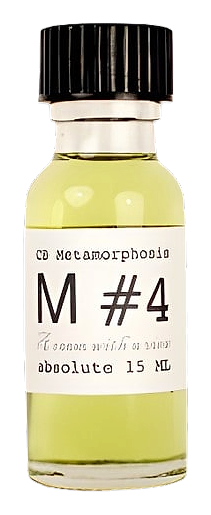
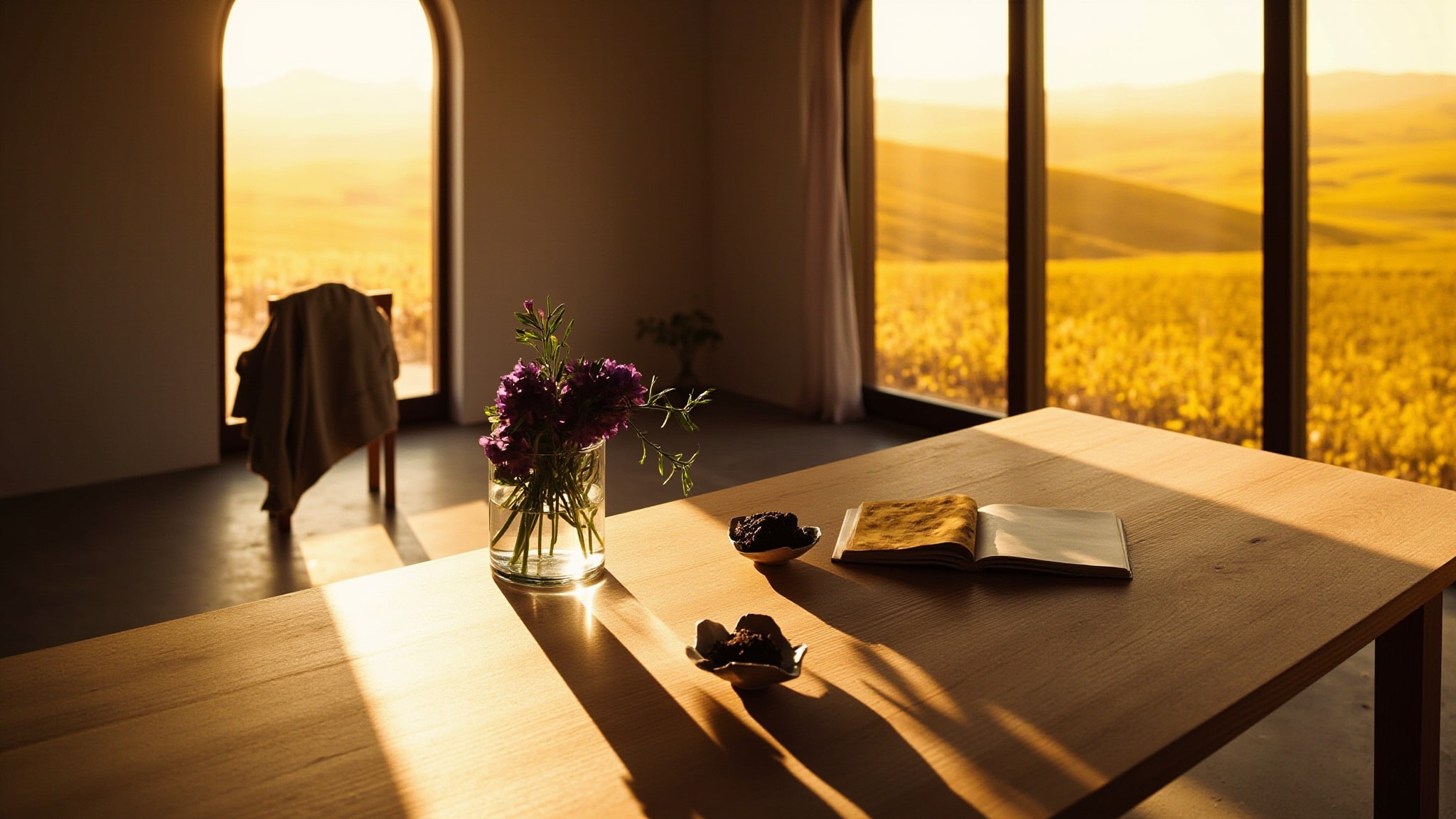
Christopher Brosius reached for the E.M. Forster title, not to evoke the novel, but to borrow its philosophy. In Forster's ending, Lucy Honeychurch looks out a window and finds the view she's been searching for was there all along. Brosius translated that into scent: a hillside above Florence, vineyards and wild growth, the kind of landscape that doesn't announce itself. The composition centers on violet because it's the flower that stops you, purple against green, unexpectedly vivid. Around it, wild fennel and hot Florentine earth complete the picture. Not a metaphor. Just a place, captured.
What makes the structure unusual is the interplay between violet's cool, almost powdery character and the warm, dusty earth that underlies everything. The fennel adds an aromatic greenness that most violet fragrances avoid entirely, it's the kind of material that signals intention over comfort. Grape brings a brief sweetness, the wine-dark suggestion of the region's most famous product, without ever tipping into gourmand territory. The combination reads more documentary than decorative, which is consistent with Brosius's broader approach: this is a record of somewhere, not an interpretation of it.
The evolution
The opening is violet, unmistakably, bright, almost candied, with a powdery edge that signals immediately. Within minutes, the fennel arrives. Green, slightly bitter, it cuts through the sweetness like a breeze through tall grass. The earth note anchors everything, giving weight to what could have been too delicate. The heart phase belongs to the grapes and grass together, a sun-warmed mineral quality that feels like standing in a vineyard in late afternoon. Then the violet returns, but softer now, dried, residual, more memory than presence. The drydown holds closest to the skin for several hours, with violet as the last material to fade and a warm earth note that can still be detected on fabric the next morning.
Cultural impact
Part of the M-series, which functions as Brosius's ongoing study of specific times and places. The 2009 release sits within a catalog that ranges from literal (Wet Pavement London, Burning Leaves) to literary (Mr. Hulot's Holiday). Among collectors, A Room With a View occupies a particular position: those who respond to it tend to respond strongly, drawn by the unconventional violet-earth pairing that most commercial fragrances avoid. The fragrance has never been reformulated and remains in continuous production, which is rare among niche releases of its era.