
The Story
Why it exists.
The beginning
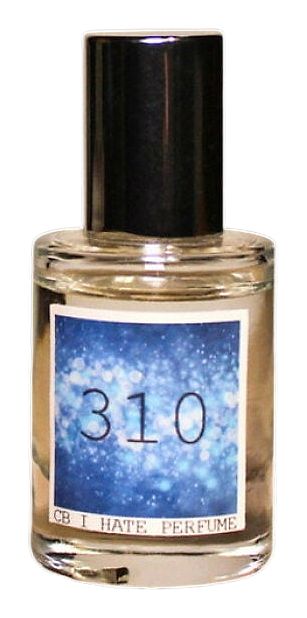
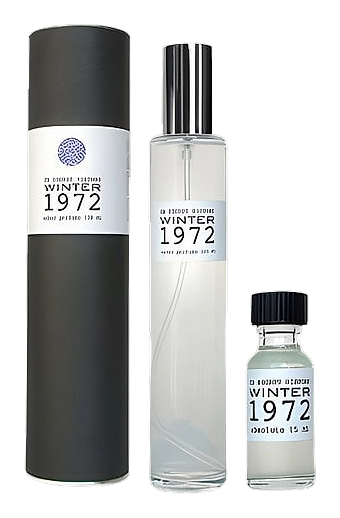
Winter 1972 exists because Christopher Brosius wanted to preserve a specific kind of silence. Not the silence of an empty room, the silence of a winter morning before anyone has walked through it. The name anchors the fragrance to an actual year, an actual cold, a moment that happened and then was gone. Brosius has described scent as a conversation with the self, and this is that conversation distilled: what does winter feel like before it becomes a memory? The answer, apparently, involves frost on wool, frozen forest, and soil that hasn't thawed in months. It is a field of untouched new-fallen snow, captured in 2005 and never let go.
What makes Winter 1972 unusual isn't any single note, it's the way the composition refuses conventional hierarchy. There is no loud opening designed to announce itself. Instead, ice accord and soil tincture arrive together, creating a cold, mineral atmosphere that reads more like weather than perfume. The woody notes and forest accord that follow don't overpower the chill; they soften it, adding depth without warmth. Wool appears in the drydown as the quietest possible comfort, skin-warm, close, personal. The result is a fragrance that functions less like a typical scent and more like an atmosphere you step into. That is the Brosius approach: scent as environment, not accessory.
The evolution
The opening is the coldest moment, a shock of ice accord, then soil tincture grounding it into something almost geological. It reads like frost forming on stone. Within minutes, forest accord and woody notes begin to ease the chill, adding a stillness that feels intentional rather than accidental. The transition isn't dramatic. It doesn't shift from cold to warm. It simply thins, becoming harder to find. By the end of the first hour, the scent is barely detectable unless someone is very close. The drydown offers wool and sleeping earth, soft, quiet, close to the skin rather than the air. On clothing, the fragrance lasts longer than on skin. On skin, it becomes a secret.
Cultural impact
Winter 1972 occupies a quiet corner of niche perfumery, the fragrance for people who find loud projection vulgar and atmospheric storytelling essential. The CB Secret History Series uses numeric titles and memory-driven concepts, positioning Brosius's work as anti-brand in a market obsessed with celebrity and trend. Wearers describe it as the scent of someone who walks into a room and doesn't need to announce themselves. It has a devoted following among those who prize intimacy over impact.