Snow
Snow is a modern perfumery accord that recreates the crisp, clean sensation of cold winter air. It combines aromatic molecules like aldehydes and ozonic compounds to evoke the mineral freshness and atmospheric stillness of fresh snowfall. In fragrance, it acts as a bridge note, adding transparency and coolness that lifts brighter elements.

Character
How it smells
The stillness of a frozen morning, captured in crystal clarity.
The clean scent of snow comes from trace amounts of geosmin, the same compound produced by soil bacteria that gives rain on concrete its distinctive petrichor aroma.









Origin
France
Atmospheric fragrance notes like Snow emerged from the post-war expansion of synthetic chemistry in perfumery. Before the 1950s, cold and ozonic effects were largely absent from fragrance palettes, as natural materials could not replicate such conceptual impressions. The development of aldehyde chemistry in the early twentieth century laid groundwork, but true atmospheric accords required additional synthetic breakthroughs during the 1970s and 1980s.
Perfumers began articulating coldness not as an absence of smell, but as a specific aromatic impression combining freshness, mineral character, and spatial vastness. Modern Snow accords represent a conceptual evolution in perfumery, where ingredients serve not merely as aromatic sources but as atmospheric carriers that reconstruct environmental sensations through molecular composition.
Wears it best
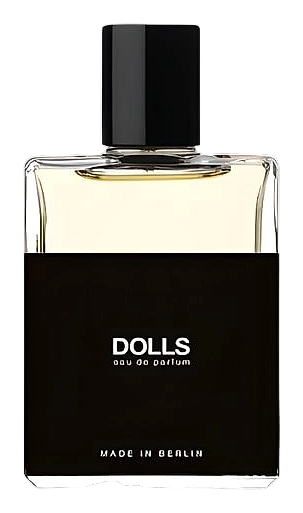
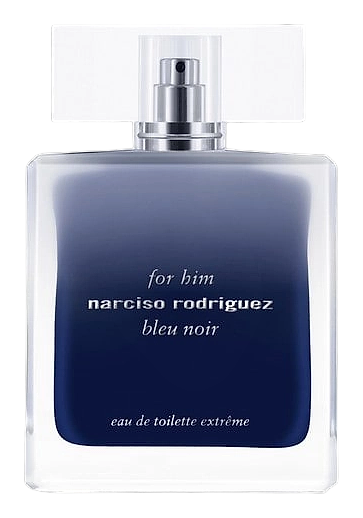
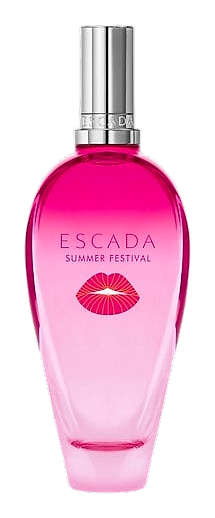
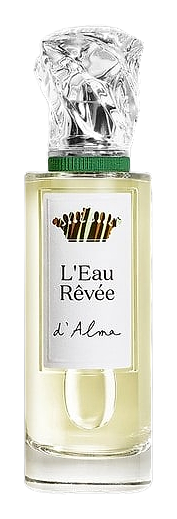
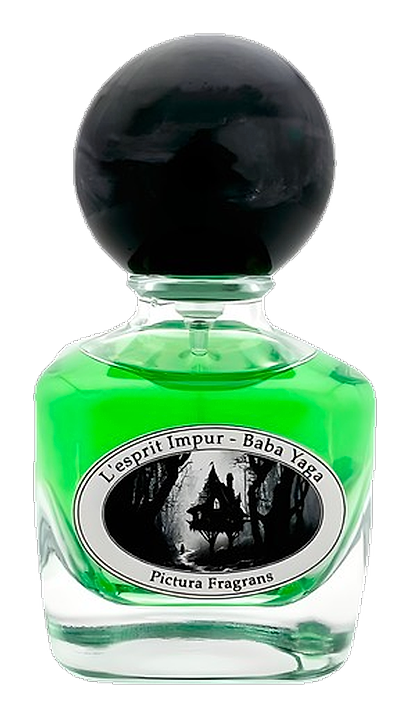
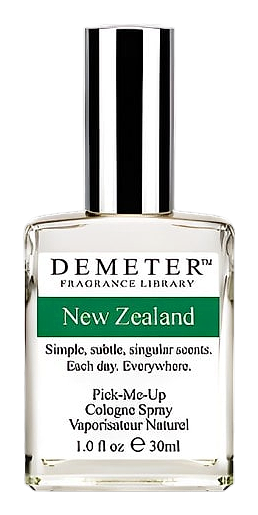
Fragrances featuring Snow
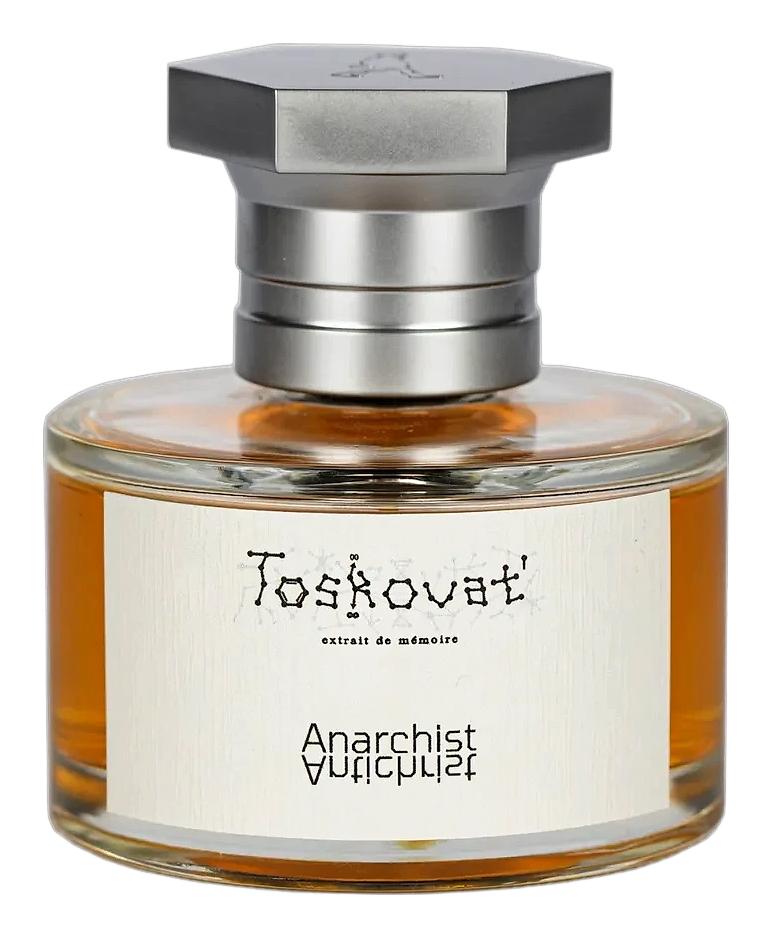

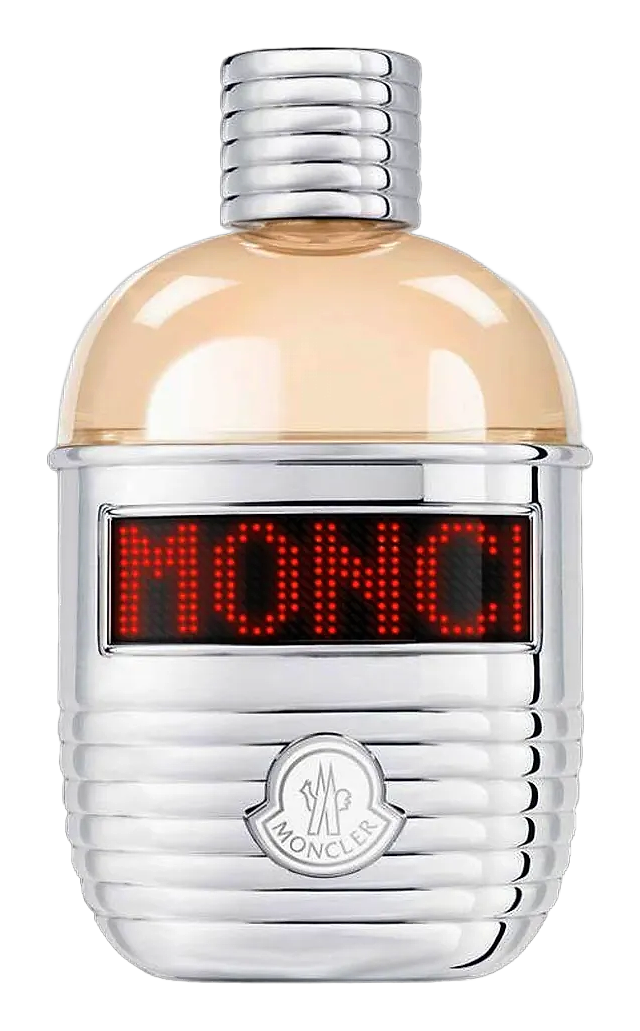
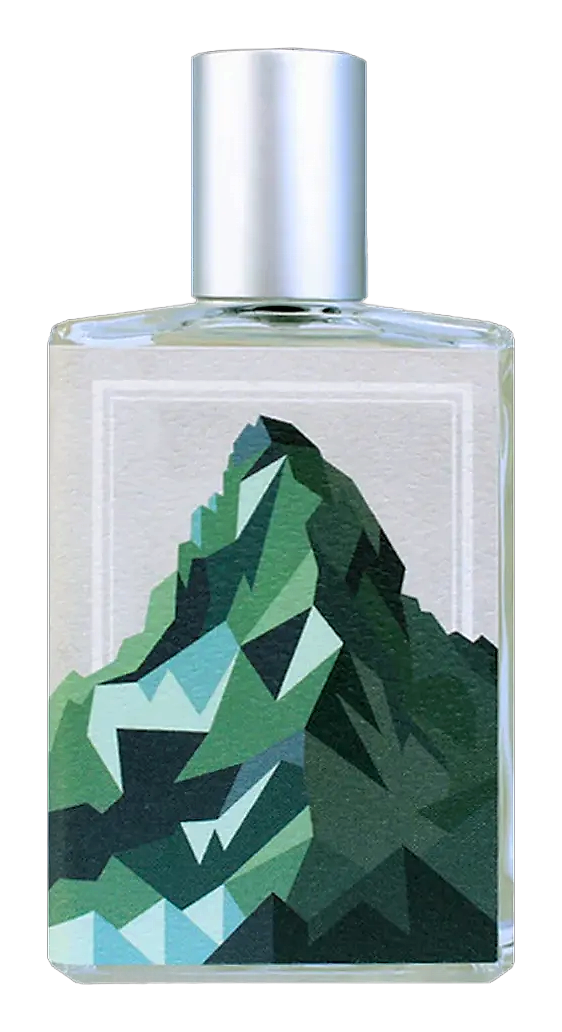

Brands
Brands known for Snow
Good to know
Questions, answered
The essentials on Snow in perfumery: how it smells, where it comes from, and how it behaves on skin.
What does Snow smell like in perfume?
Snow in perfume smells like cold, crisp air with mineral undertones and a clean, almost metallic freshness. It combines aldehydic brightness with ozonic qualities that evoke the stillness of a frozen landscape. The overall impression is transparent, airy, and slightly aqueous.
Why is Snow used in perfumery?
Snow is used to create atmospheric depth and freshness in modern fragrances. Perfumers leverage it as a bridging material that connects bright citrus or floral elements with deeper base notes. It adds a perception of space and clarity that makes other notes feel more defined.
Is Snow in perfume natural or synthetic?
Snow is always synthetic in perfumery. No natural material produces the cold, ozonic impression of fresh snowfall. Perfumers construct Snow accords using combinations of aromatic molecules like aldehydes, metallic ketones, and cold-air synthetics that were developed through organic chemistry research.
What famous perfumes contain Snow?
Snow accords appear in numerous contemporary fragrances including Dior Homme Cologne, Chanel Allure Homme Sport, and Acqua di Gio Profondo. These perfumes typically list ozonic, aquatic, or fresh notes on their composition charts. Cold, atmospheric accords have become especially prominent in men's sport fragrances since the 1990s.
Is Snow a top note, heart note, or base note?
Snow functions primarily as a top note or bridging element. Its molecular weight is low, causing rapid evaporation within the first 15 to 30 minutes of wear. This short lifespan limits its role in heart and base development, though perfumers sometimes use more substantive variations to extend its presence.
What notes pair well with Snow in perfume?
Snow pairs naturally with citrus, marine, and white musk materials. It complements cedarwood and other woody notes by adding brightness without competing for attention. Florals like jasmine and iris gain translucence when combined with cold, atmospheric accords in modern fragrance formulations.
How is Snow extracted?
Snow cannot be extracted from natural sources. Aromatic molecules that create cold, ozonic impressions are synthesized through organic chemistry processes involving aldehydes, ketones, and heterocyclic compounds. These materials are produced in laboratories and combined by perfumers to construct the Snow accord itself.
Is Snow used in men's or women's fragrances?
Snow appears across both men's and women's fragrances, though it predominates in masculine and unisex sport lines. In women's perfumery, it often supports white floral or aquatic compositions. Approximately 60 percent of modern aromatic fragrances contain some form of atmospheric fresh note, including Snow.