The Story
Why it exists.
The beginning
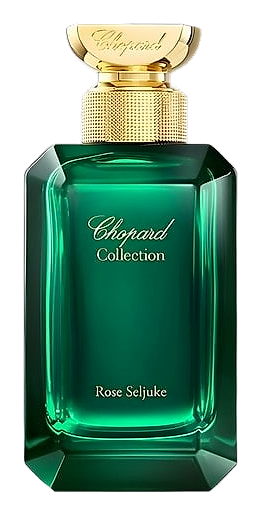
Chopard turned to Alberto Morillas, one of the most prolific noses of his generation. Rose Seljuke arrived in 2018. Morillas didn't reach for lightness. He went straight to Bulgarian damask rose, the kind that smells like crushed petals left in a mahogany drawer. The composition treats that rose less like a flower and more like a character. Every other note exists to frame it, darken it, or give it somewhere to rest. The damask rose sits at the center, dense and unapologetic, and Morillas constructs everything around it with the patience of someone building a cathedral around a relic. Nothing about the opening suggests transparency or airiness. Instead there's an immediate gravitational pull, the scent of a rose that has been dried, pressed, and reconstituted rather than freshly picked.
What separates Rose Seljuke from the crowded field of rose-led fragrances is the weight of the supporting cast. Morillas anchored the Bulgarian damask rose with Comorian ylang-ylang and Egyptian violet leaf, two materials that push the floral into something spicier, greener, less innocent. Then comes the base: Indonesian patchouli, Australian sandalwood, Cypriol nagarmotha, Brazilian tonka bean, Peru balsam, and Ambroxan. That's not a polite rose. It's a rose wearing armor. The vanilla runs underneath everything, sweet but not sugary, more like wood resin than dessert.
The evolution
The first fifteen minutes don't smell like rose at all. Violet leaf opens with a sharp, almost metallic greenness, like crushing stems between your fingers. Ylang-ylang follows quickly, oily and sun-warmed, adding a tropical creaminess that softens the edges. The Bulgarian damask rose takes over around the twenty-minute mark, and it's heavy, jammy, nothing like a tea rose. Two hours in, the heart is fully formed. Rose, vanilla, and a thread of something smoky from the Cypriol. The sandalwood and patchouli arrive together, not gradually but as a single statement, grounding the whole composition. By hour five, the florals have faded to a memory. What remains is vanilla, tonka, and that warm woody base, still dense, still readable from across a table. The drydown on a sweater the next morning smells like bourbon vanilla and amber, faint but unmistakable. It doesn't ghost. It simply quiets down and waits.
Cultural impact
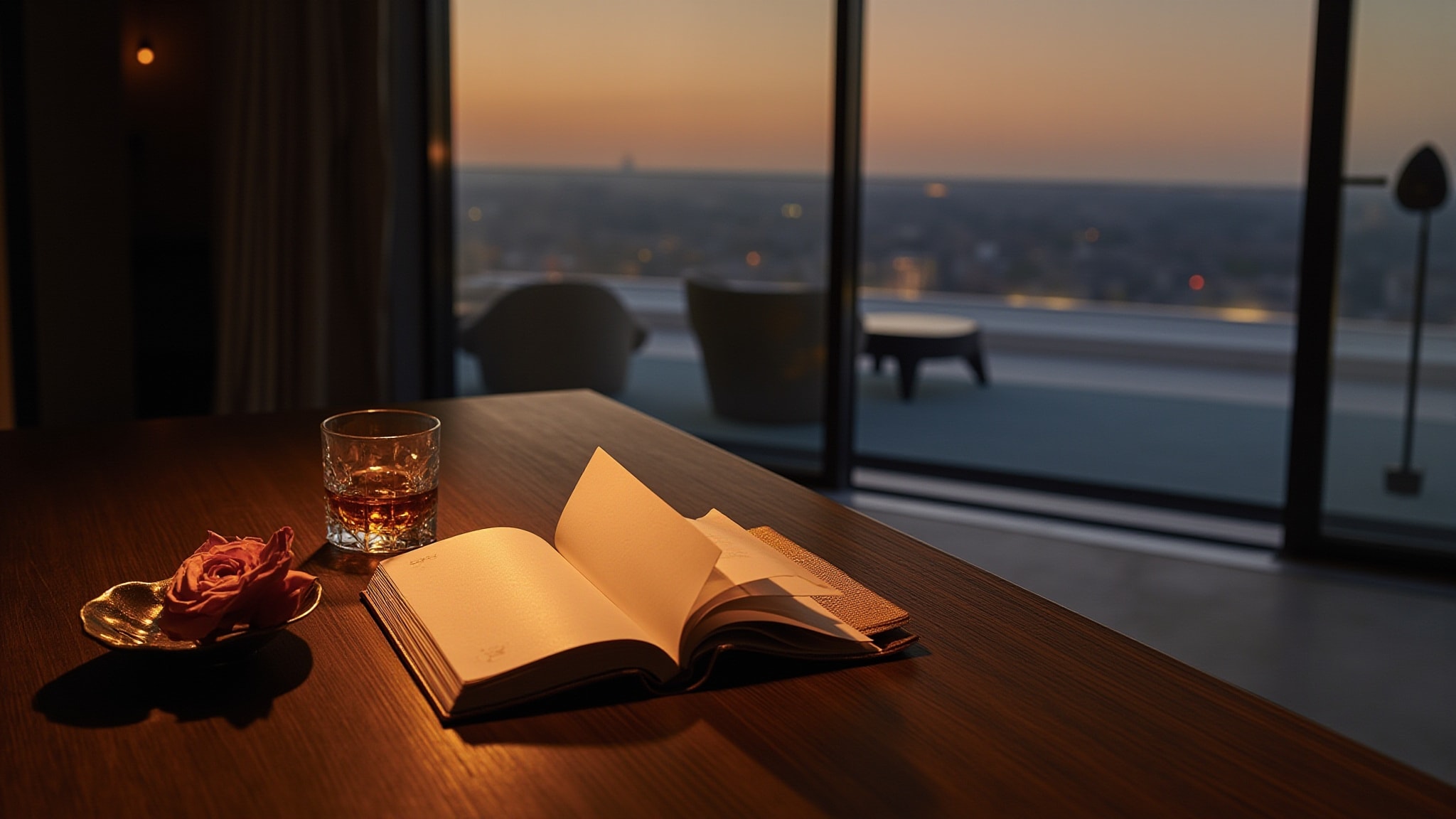
Rose Seljuke wears like an evening scent, cooler-weather, suited to someone who already owns several rose fragrances and wants one with real heft. Wearers describe it as a composition for darker moods: heavy coats, low light, rooms with leather chairs. The vanilla and patchouli give it a gravity that casual rose fragrances rarely achieve, and the violet leaf keeps it from sliding into outright sweetness. It reads as confident and unhurried, the kind of scent that doesn't need to announce itself because it assumes you'll lean in.