Bulgarian damask rose
Considered the gold standard of rose essential oils, Bulgarian damask rose from the Valley of Roses delivers an opulent, honeyed floral with subtle citrus and spice. Three centuries of cultivation expertise in every petal.
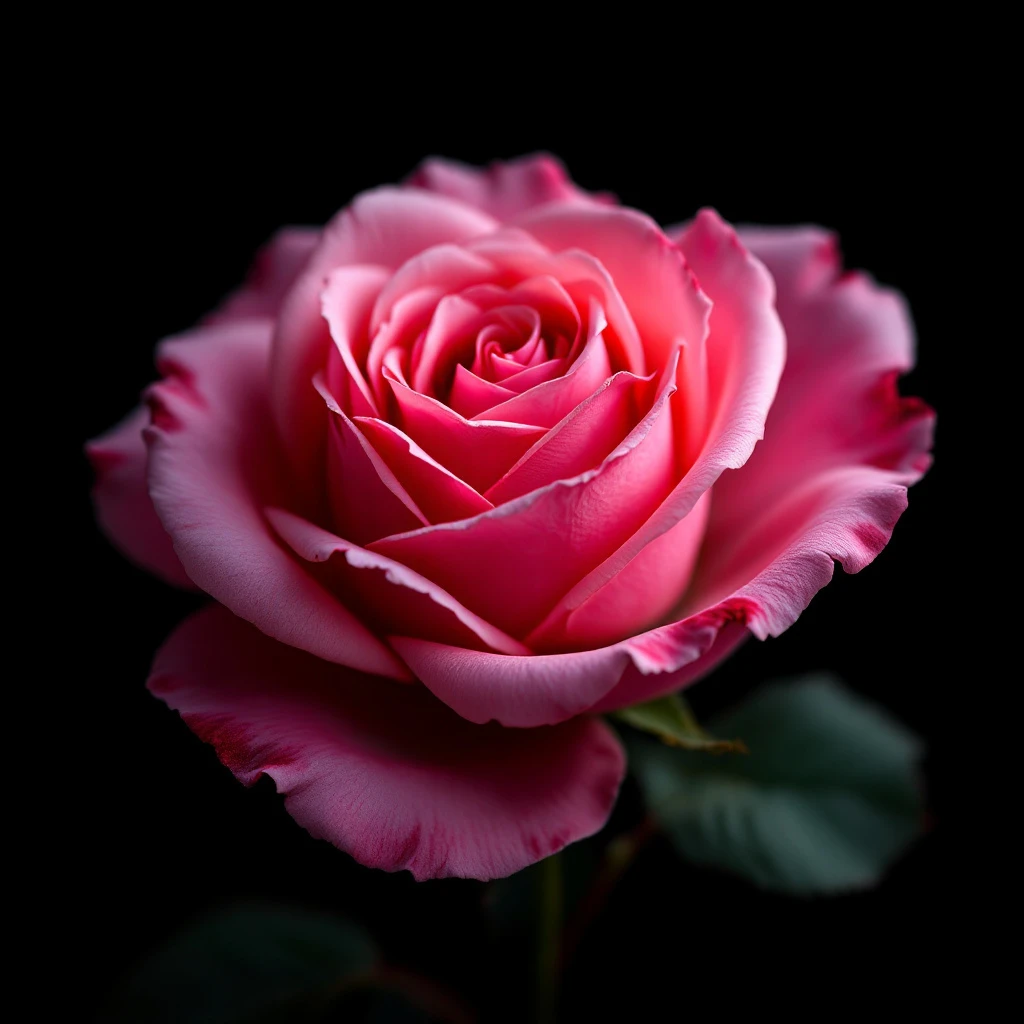
Character
How it smells
The world's most treasured rose essence, grown in Bulgaria's legendary Valley of Roses
The first pure rose essential oil was produced by Persian physician Avicenna in the 10th century, pioneering distillation methods still used today.









Origin
Bulgaria
The first pure rose essential oil emerged in the 10th century, attributed to the Persian physician Avicenna. For thousands of years before that, Persians, Egyptians, Greeks, and Romans had already celebrated roses for their beauty and fragrance. Cleopatra famously filled rooms with rose petals to welcome Mark Antony.
The damask name itself points to Damascus, Syria, where Rosa damascena likely originated before spreading eastward into Persia and westward across Europe. From the Middle East, the rose traveled along ancient trade routes into India and eventually to the Balkans.
Bulgaria's position between Europe and Asia, protected by the Balkan Mountains, proved ideal. The Kazanlak Valley's unique microclimate, mineral-rich soil, and consistent fog created conditions where Rosa damascena thrived. By the 18th century, Bulgaria had established itself as a center for rose cultivation, and this tradition has continued unbroken for over 300 years. Today, Bulgarian rose oil remains the benchmark against which all others are measured by perfumers worldwide.
Wears it best
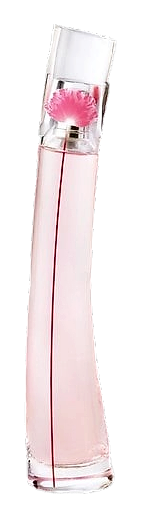
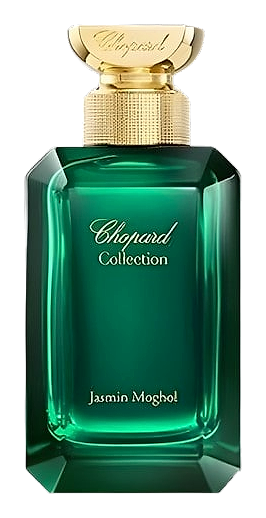
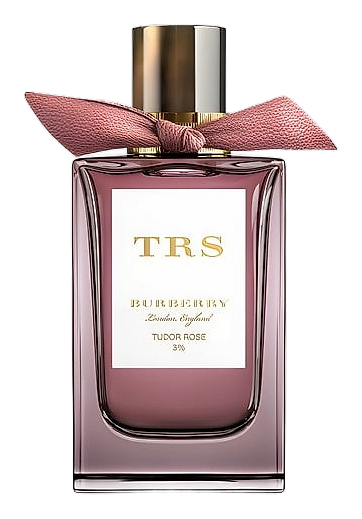
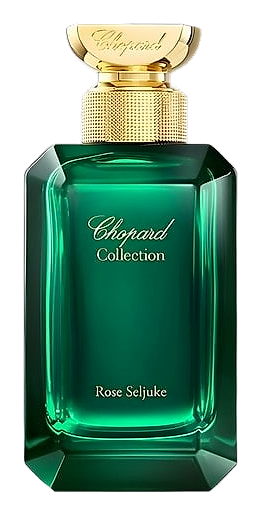
Fragrances featuring Bulgarian damask rose
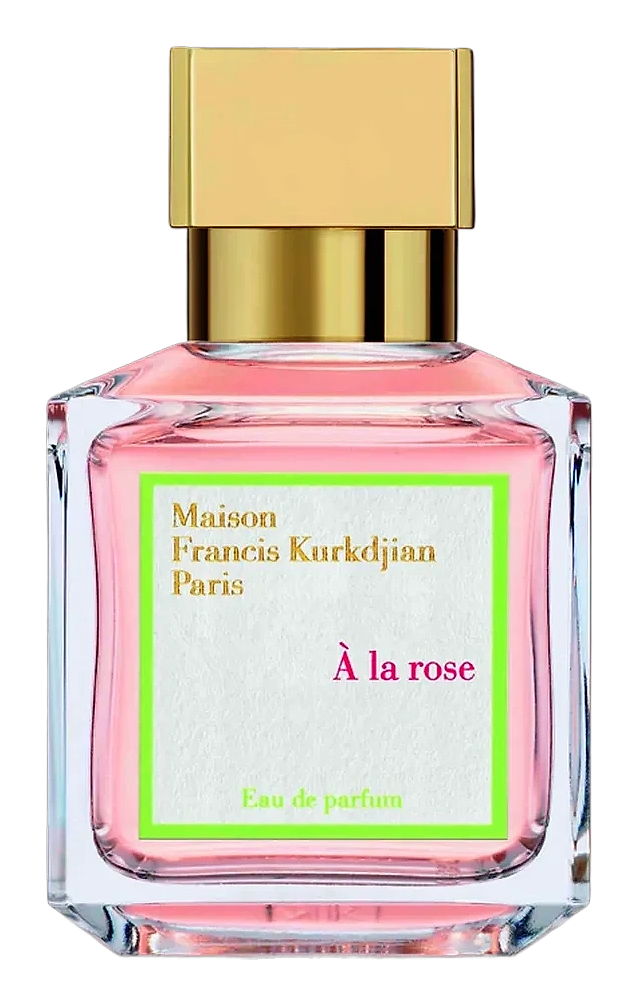
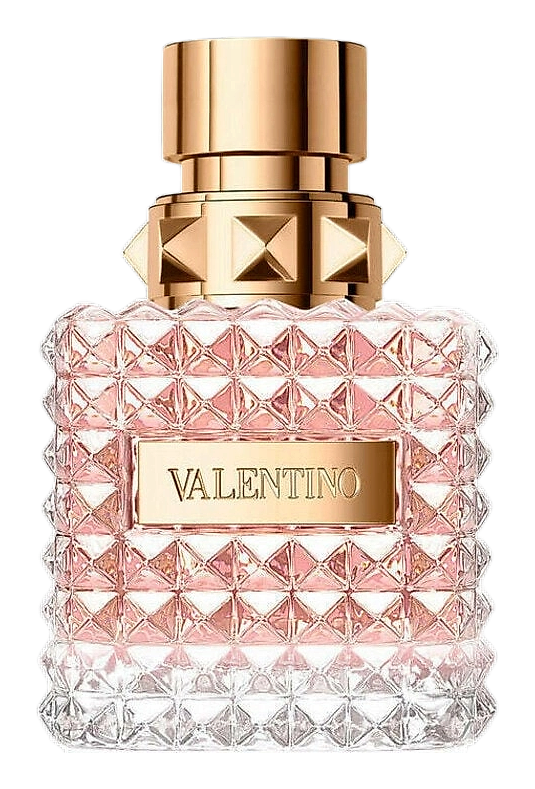
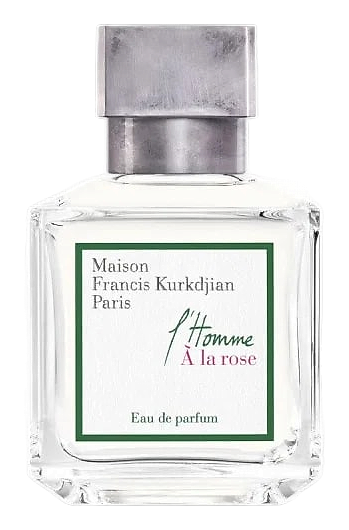
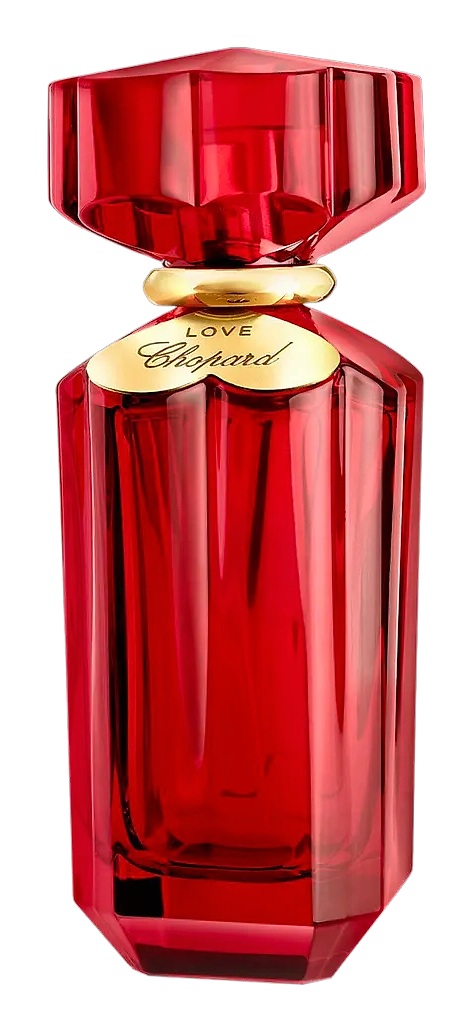
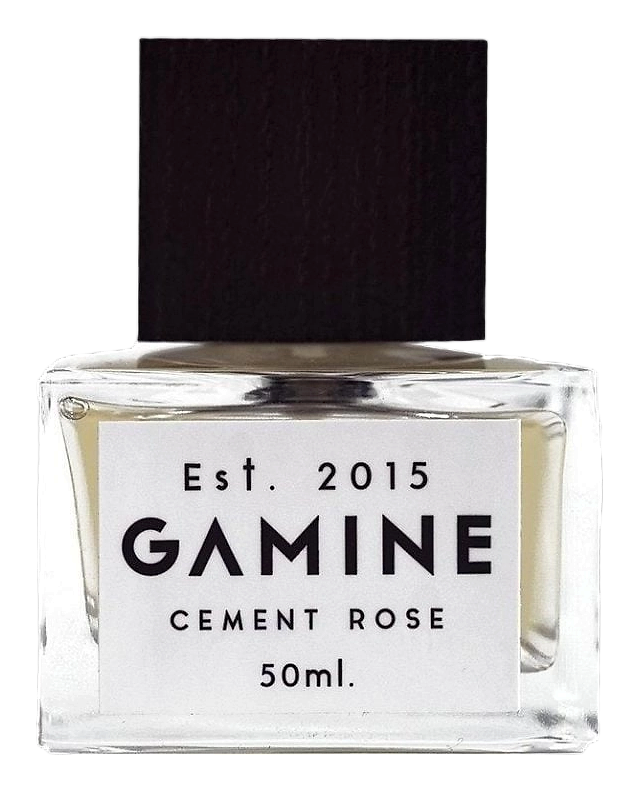
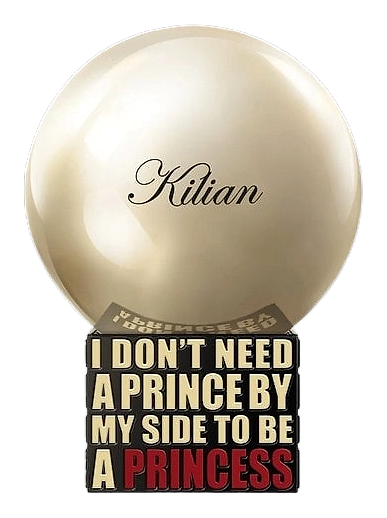
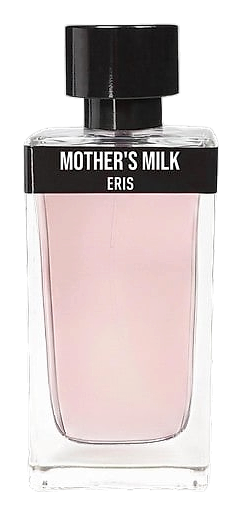
Brands
Brands known for Bulgarian damask rose
Good to know
Questions, answered
The essentials on Bulgarian damask rose in perfumery: how it smells, where it comes from, and how it behaves on skin.
What makes Bulgarian damask rose unique as an ingredient?
Bulgarian damask rose from the Valley of Roses near Kazanlak is considered the world's finest rose oil. The region's unique microclimate, mineral-rich soil, and elevation produce Rosa damascena with exceptionally high citronellol and geraniol content, delivering the signature honeyed, slightly spiced aroma that defines the global standard.
Why is it called damask rose?
The damask name traces to Damascus, Syria, where Rosa damascena originated before spreading through Persia into Europe and beyond. The variety traveled along ancient trade routes from the Middle East into the Balkans, where Bulgarian cultivation eventually became the gold standard.
When is Bulgarian damask rose harvested?
Harvest spans two to three weeks in late May and June, when the blossoms open. Workers pick flowers entirely by hand at dawn before sunrise, preserving volatile compounds. After this brief window, the season ends and another year begins.
How much rose oil does Bulgarian damask rose yield?
Approximately 3,500 kilograms of petals yield one kilogram of rose otto, making this among the world's most costly essential oils. Bulgarian producers often cite ratios ranging from 3,000 to 5,000 kilograms depending on seasonal conditions and plant maturity.
What is the difference between rose otto and rose absolute?
Rose otto comes from steam distillation, producing a watery, radiant oil with characteristic cloudiness. Rose absolute results from solvent extraction, yielding a more concentrated, viscous material with a deeper floral profile. Both are used in fine perfumery.
Where is the Valley of Roses located?
The Valley of Roses lies in central Bulgaria's Balkan Mountain region near the town of Kazanlak. This area produces roughly 70% of the world's rose oil. The combination of elevation, morning fog, and mineral-rich soil creates conditions considered unmatched for Rosa damascena cultivation.
How long have humans used damask rose?
Ancient Persians and Arabs developed rose water and oil extraction methods centuries ago. Cleopatra reportedly filled rooms with rose petals before Mark Antony's visits. Three millennia of continuous use have refined cultivation and extraction into a precise seasonal art.
What determines the quality of Bulgarian rose oil?
Terroir drives quality. The Valley of Roses sits at a specific elevation with morning fog and mineral-rich soil that produces the characteristic honeyed, slightly spiced note. Hand-harvesting at dawn and immediate distillation preserve volatile compounds, setting Bulgarian rose otto apart.



