The Story
Why it exists.
The beginning
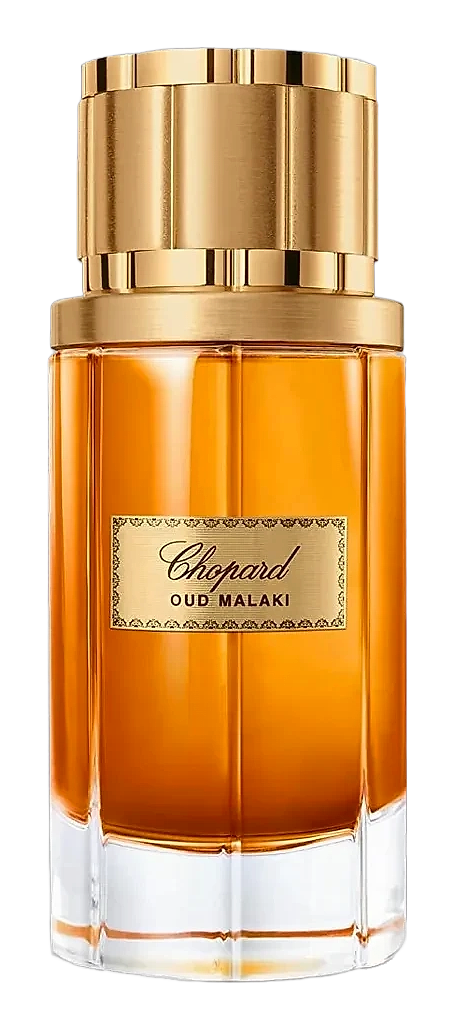
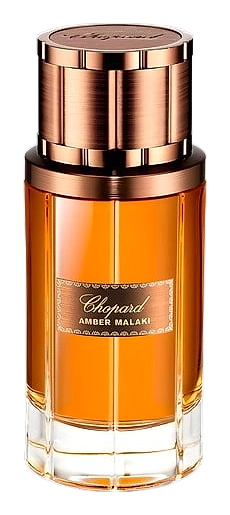
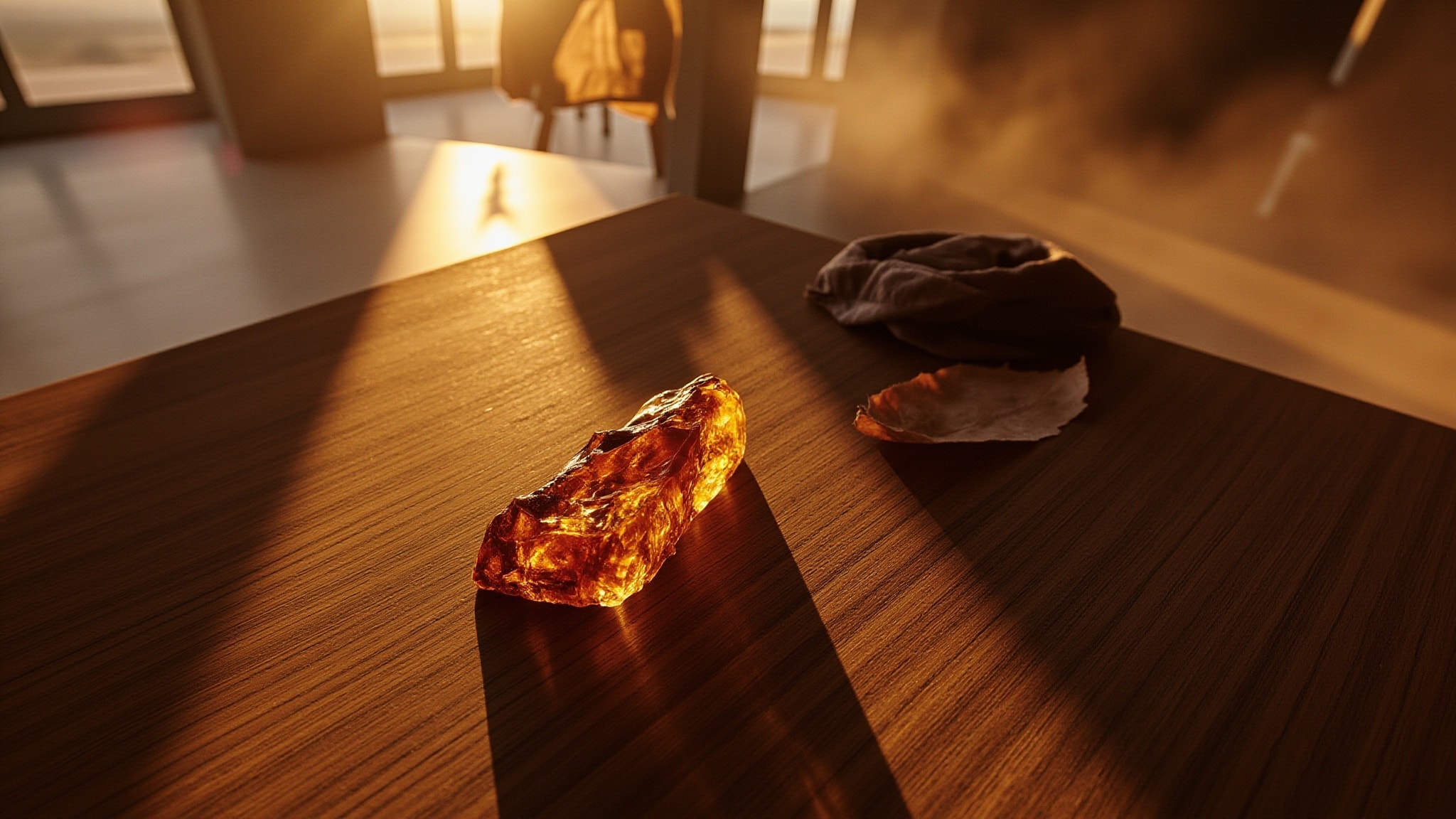
Amber Malaki arrived in 2015 as a deliberate pivot in the Malaki series. Where Oud Malaki led with the dense, resinous character of oud, Amber Malaki chose warmth instead, amber and bourbon vanilla over smoky wood, orange blossom over darkness. Perfumer Amandine Clerc-Marie built the composition around contrast: a bright, almost piercing opening that gives way to something deeper and more intimate. The papyrus note keeps it grounded, prevents it from becoming merely sweet. It's the kind of fragrance that makes you understand why the Malaki line has a following, because each iteration takes a different direction, and this one chose the warm one.
The frankincense-orange blossom pairing is the structural surprise here. Both are bright, but in opposite ways. Frankincense brings smoke and a slight medicinal edge; orange blossom brings bitter floral freshness, like neroli with more substance. Together they create an opening that reads as simultaneously fresh and smoky, a contradiction that resolves only as the fragrance develops. Papyrus, an often-overlooked note, is the real structural choice. It adds dryness, almost a leathery bitterness, that stops the vanilla and amber from becoming cloying. Labdanum contributes its own resinous warmth but stays secondary to the bourbon vanilla.
The evolution
The opening demands something from you. Frankincense and orange blossom arrive sharp, almost medicinal in their brightness, the kind of opening that sends some people reaching for the wrong bottle. But that's the test. Papyrus arrives next, tempering the brightness with something dry and papery, like old paper in warm air. The transition takes time, maybe an hour, and during that hour the fragrance feels like it belongs to a different perfume entirely. Then the amber deepens. Bourbon vanilla emerges, warm and sweet but never heavy. Labdanum adds a resinous undertone that keeps everything grounded. The drydown at eight to ten hours is the real payoff, vanilla and labdanum close to the skin, warm and intimate, the kind of smell that feels like a second skin. On fabric the next day, a trace remains. Not projecting. Just there. Enough to make you reach for the bottle again.
Cultural impact
Amber Malaki occupies a particular space in the Malaki line, warmer and more approachable than its predecessors. The Oud Malaki from 2012 established the series with a darker, denser character; subsequent releases have explored variations. Amber Malaki draws those who want the warmth without the intensity. In the broader landscape of amber-vanilla orientals, it sits closer to the skin than many counterparts, offering depth without declaration. The kind of fragrance that earns its reputation through the drydown rather than the first spray.