The Story
Why it exists.
The beginning
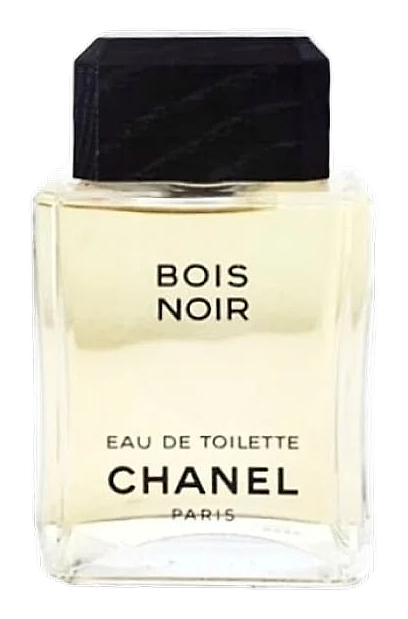
In 1987, Jacques Polge composed Bois Noir as a masculine composition built around Brazilian rosewood, a note that had nearly disappeared from mainstream perfumery. The fragrance entered a very limited release, one that quietly slipped out through Chanel's channels before vanishing almost as quickly as it appeared. Polge's handling of the rosewood here is unusually architectural, treating it less as a decorative material and more as the spine of the entire structure. Beneath that central beam, the composition gathers a quiet gravity that anticipates what would follow in the men's line, with one source describing Bois Noir as the first public release of what was to become Égoïste.
The choice of Brazilian rosewood as the lead material carries its own weight. By the late 1980s, the wood had become increasingly difficult to source in fine fragrance, lending it a quiet rarity that perfumers of the period understood well. Polge paired it with coriander and rose in the heart, a combination that gave Bois Noir its distinctive warmth and a touch of unexpected spice. The coriander introduces a green, faintly peppery brightness that keeps the rosewood from collapsing into pure darkness, while the rose in the center reads more like a warm, dry petal than a lush bouquet.
The evolution
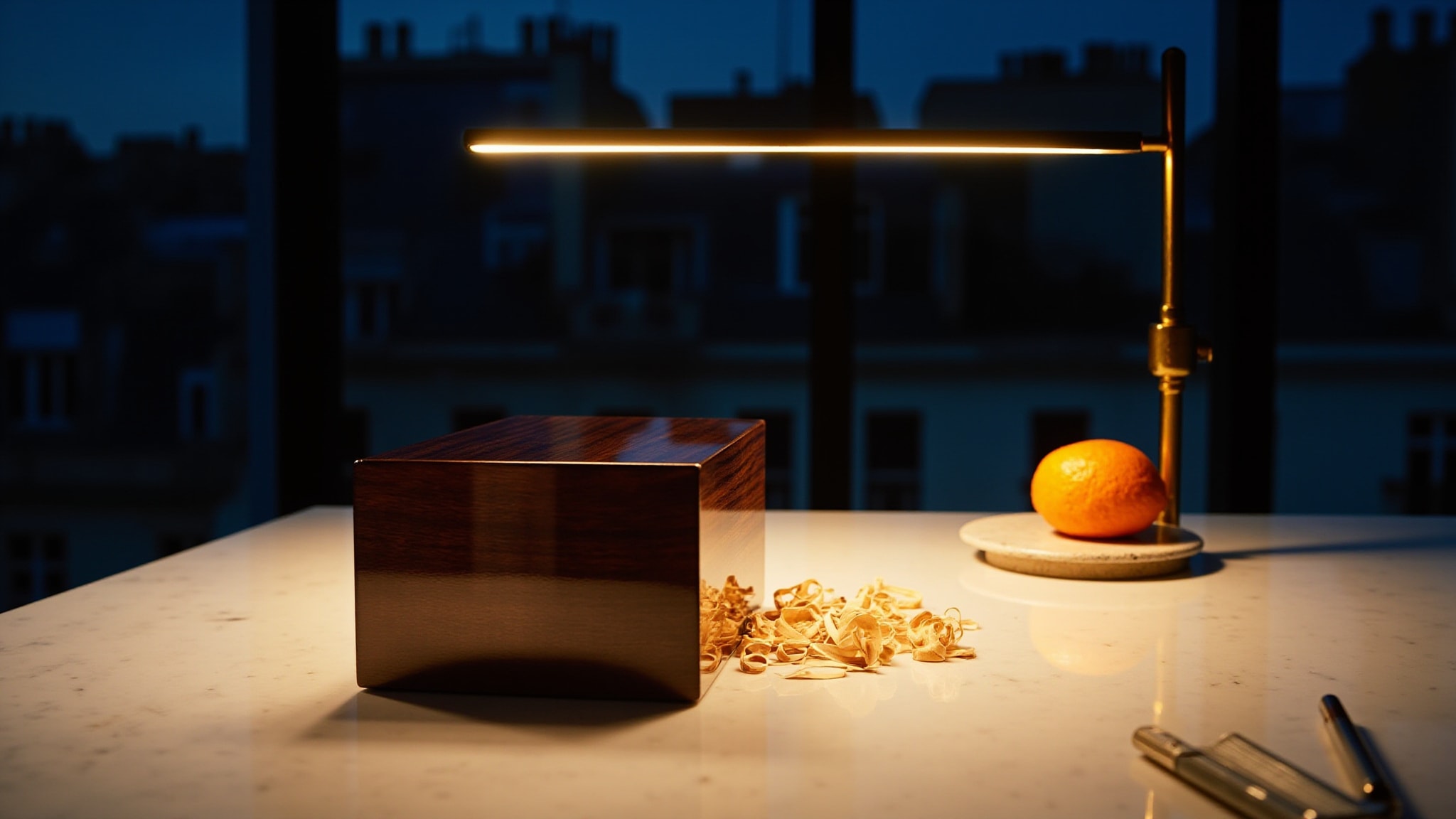
The first fifteen minutes belong to Brazilian rosewood and tangerine, and they arrive almost in opposition. The citrus lifts and shines while the rosewood underneath already pulls dark, polished, and dense. There is no bright cologne opening here, just a flicker of light above something heavy. By the thirty-minute mark, the tangerine is gone and the rosewood has settled into its true register, a deep, almost pencil-shaving dryness that smells like the inside of a luthier's workshop. The heart phase introduces rose and coriander together, and this is where Bois Noir reveals its real character. The rose is not a floral impression, it is rose as spice, warm and slightly peppery, and the coriander amplifies that warmth with a green, almost cumin-adjacent heat.
Cultural impact
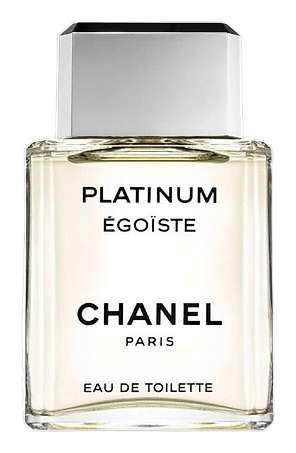
Bois Noir occupies an unusual place in fragrance history. Discontinued after only a brief boutique release, it has become one of the most sought-after vintage Chanel scents, with remaining bottles drawing considerable attention on the secondary market. Enthusiasts often describe it as the prototype for Égoïste, which Polge launched publicly in 1990, and that connection gives Bois Noir a particular gravity among collectors. The fragrance speaks to a moment when Chanel's masculine line was still finding its vocabulary, before the house settled on the more polished, ambery signature that would define its later men's work.