The Story
Why it exists.
The beginning
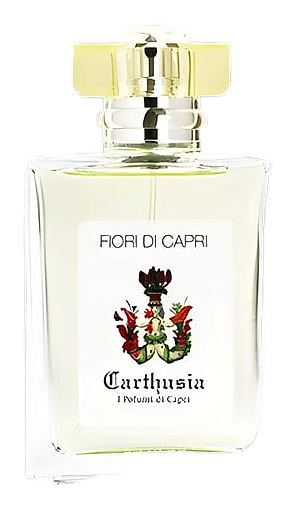
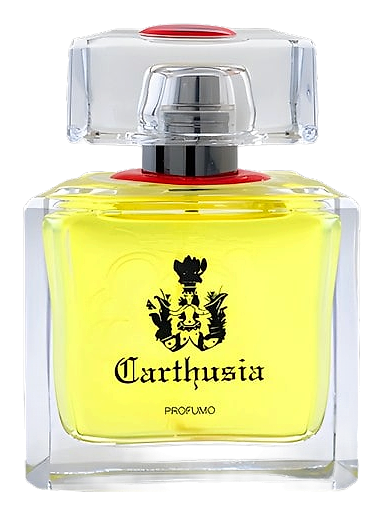
In 2013, Carthusia, the Capri-based house, partnered with the Teatro di San Carlo in Naples to bottle the feeling of a premiere night. The result was Prima del Teatro di San Carlo, a composition meant not to imitate a specific opera but to capture the anticipation of one. The name says it: 'prima' as in opening night, not first place. Carthusia built the scent around a contradiction that opera understands well: something cool and bright at the threshold, something far heavier and more emotional waiting underneath. The house drew on its island heritage for the freshness, mint and bergamot bright against the deeper materials underneath. Everything else, the woods, the oud, the rose, the resinous warmth, is Naples.
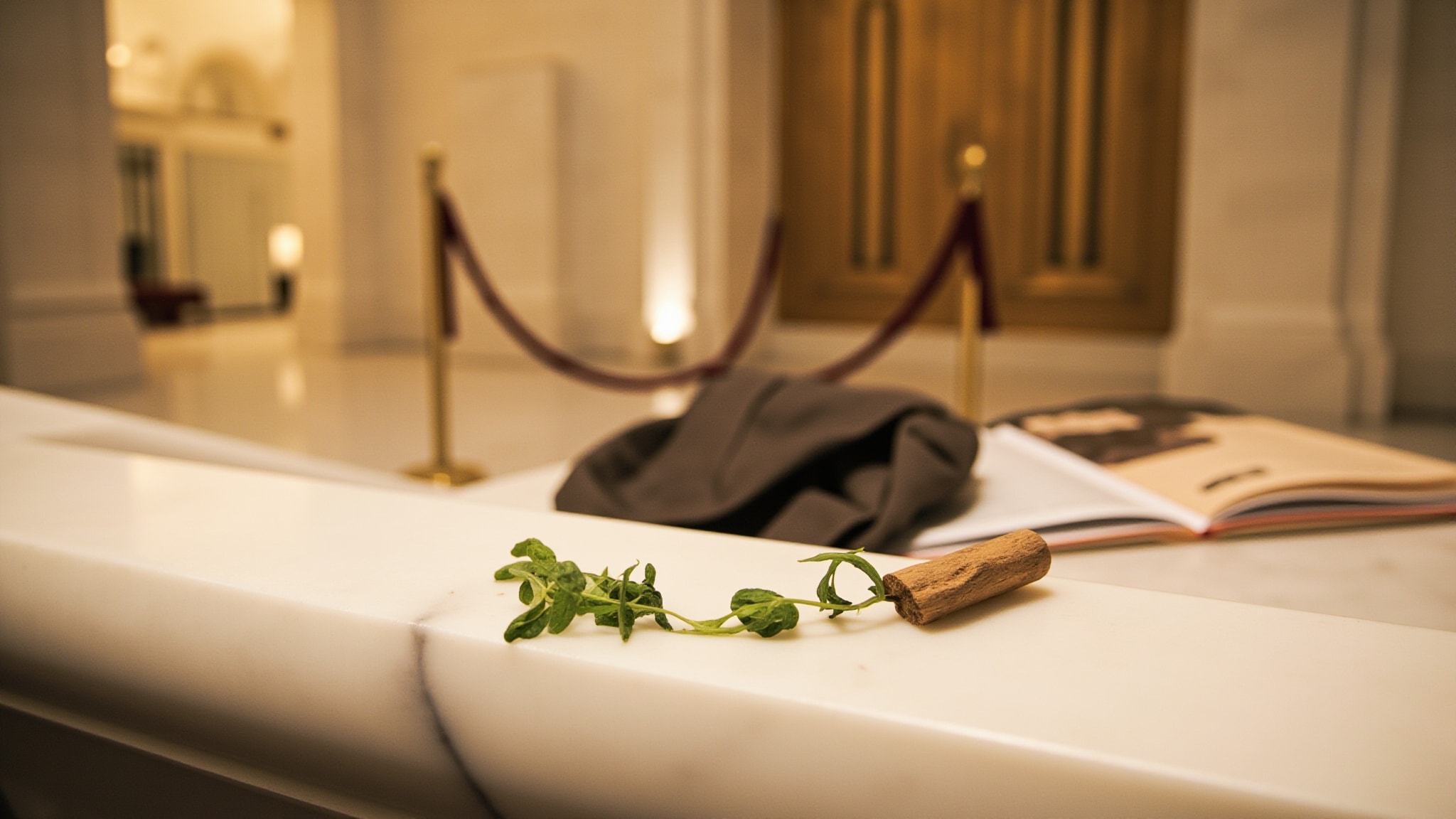
The composition makes an unusual choice: it pairs a classical green-aromatic opening (mint, bergamot) with a base that leans genuinely dark (oud, ambergris, white musk). Most woody-aromatic fragrances either stay bright or tip fully into oriental territory. Prima tries to do both. The rose in the base is the hinge that makes it work. It softens the oud's sharpness without sweetening it, and it connects the green freshness of the opening to the resinous warmth of the drydown in a single gesture. Carthusia also chose cedar rather than sandalwood for the woody core, which keeps the heart dry and architectural rather than creamy.
The evolution
The opening belongs to mint and bergamot, and they're sharp, almost bracing, like cool air hitting bare skin. The mint doesn't linger in the foreground for long. Cedar moves in early, and the scent starts to feel less like citrus and more like furniture: dark wood, a closed room, something upholstered. Soon after, the rose appears. Not the jammy, obvious rose of a soliflore. A quieter one, dusty and almost waxy, sitting on top of the cedar with the focus of a single spotlight on an empty stage. The oud arrives in the middle distance, and it's polite, more about shadow than about smoke. Ambergris and white musk carry the fragrance through its long final movement, and this is where it becomes most itself: warm, a little animalic, close to the skin. What's left at the end is a soft woody-musky trace, the kind of scent you catch on a scarf the next morning and can't quite place.
Cultural impact
Worn by people who found it quietly, often through a recommendation rather than a search. The fragrance is best suited to occasions that earn its formality: an opening, a recital, an evening in a city with a long memory for such things. It rewards close quarters rather than crowds, which is part of why it travels by word of mouth. In a market saturated with safe woody-aromatics and over-styled orientals, the composition's quiet insistence on structure feels almost old-fashioned. It reads as the kind of scent someone wears to listen rather than to be heard, a personal detail noticed by those close enough to notice.