The Story
Why it exists.
The beginning
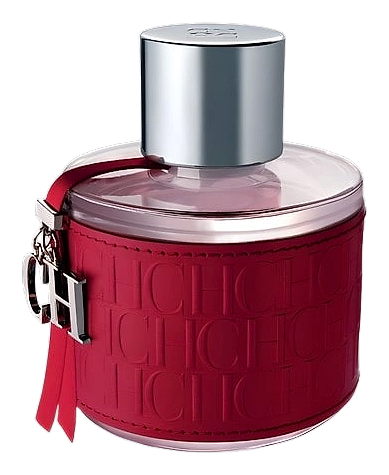
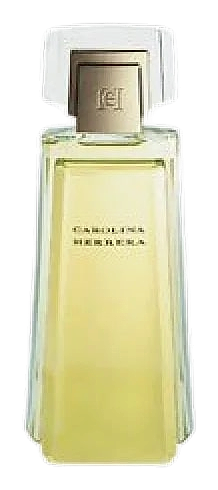
The debut fragrance from Carolina Herrera arrived in 1988. The composition was built as a sensory translation of the house's core aesthetic: a refined approach to femininity. Bergamot and apricot opened the top like a first impression, warm, golden, immediately identifiable as something from a woman who belonged everywhere she went. But the heart is where the intent lives. Tuberose, jasmine, ylang-ylang, honeysuckle, hyacinth, lily of the valley, a white floral cascade that doesn't dilute itself for the sake of politeness. The tuberose brings a creamy, almost buttery richness that anchors the blend, while jasmine adds a indolic depth that rounds out the sweetness. Ylang-ylang contributes a exotic, slightly spicy quality that prevents the florals from becoming merely soft.
The white floral heart is the point. Not a single tuberose, but seven white floral materials layered on top of each other, tuberose, jasmine, ylang-ylang, honeysuckle, hyacinth, lily of the valley, narcissus. That kind of stacking creates something almost orchestral: each material peaks at a slightly different moment, so the heart doesn't just smell rich, it smells alive and shifting over hours. The hyacinth contributes a green, slightly aquatic quality that lifts the blend, while the lily of the valley adds a delicate, almost soapy freshness.
The evolution
The opening hits bright and fruity. Apricot and bergamot, with the Brazilian rosewood adding a touch of warmth that keeps it from being a simple citrus. Green notes give it a lift, that sense of fresh-cut stems underneath the fruit. The green fades as time passes, the apricot softens, and the white florals begin to rise. By the time you reach the first hour, the tuberose has taken over. Jasmine and ylang-ylang join it, this is the signature phase, the part that announces itself before you've said a word. The heart develops and deepens as the hours progress. The florals remain prominent, their rich, multi-layered character becoming more pronounced as the top notes dissipate. The composition maintains its floral emphasis throughout this phase, with the various white blooms interweaving and creating a sensory experience that evolves subtly on the skin.
Cultural impact
Carolina Herrera has spent decades building a fragrance identity around bold femininity and confident design. The original 1988 debut fragrance established a white floral identity for the house, with tuberose and jasmine as prominent materials in its composition. The scent has maintained relevance over the years, continuing to appeal to those who appreciate rich, multi-layered floral compositions. It shares a family with Fracas by Robert Piguet, another tuberose-dominant floral that set the standard for the genre decades earlier.