Spanish Jasmine
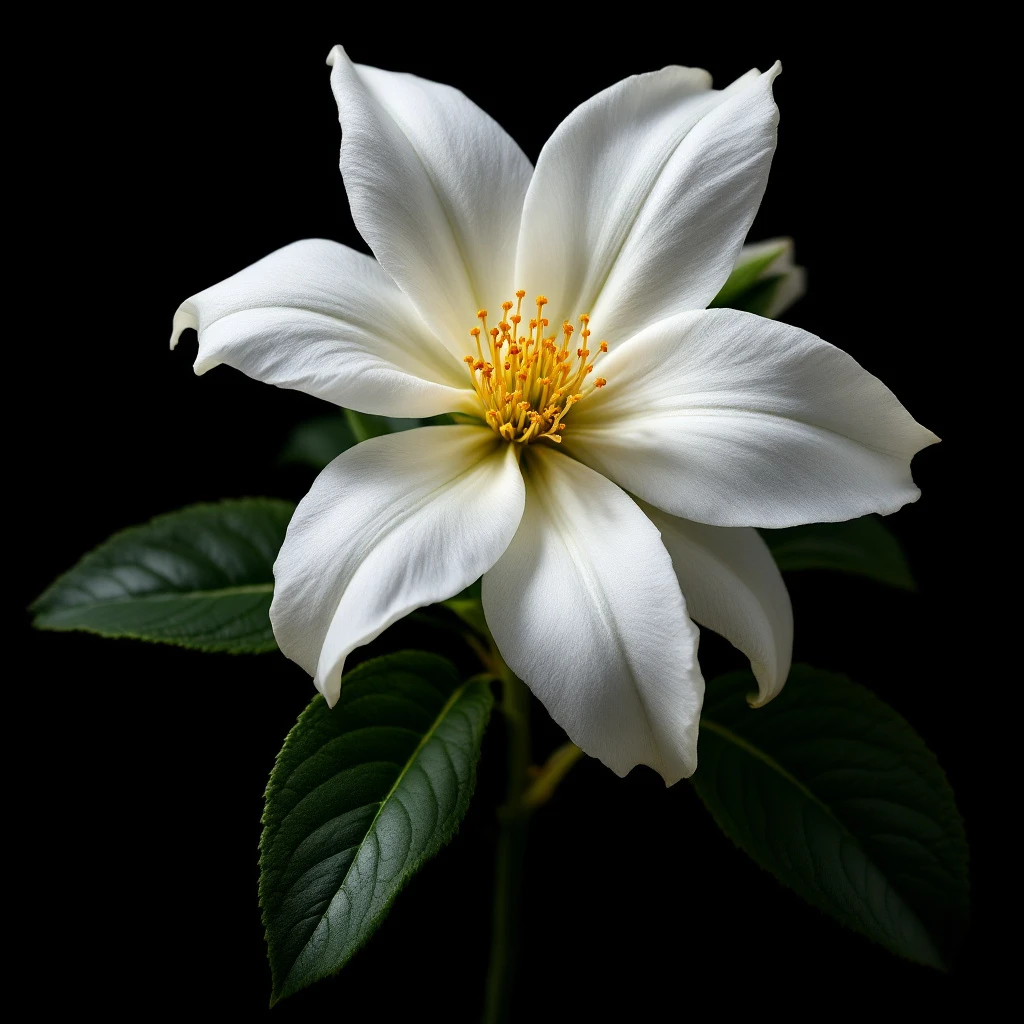
Spanish Jasmine carries the warmth of Andalusian sun and the legacy of Moorish traders who first brought this flower from the East. Its rich, honeyed floralcy has shaped Mediterranean perfumery for centuries.
Character
How it smells
The night-blooming heart of Mediterranean perfumery.
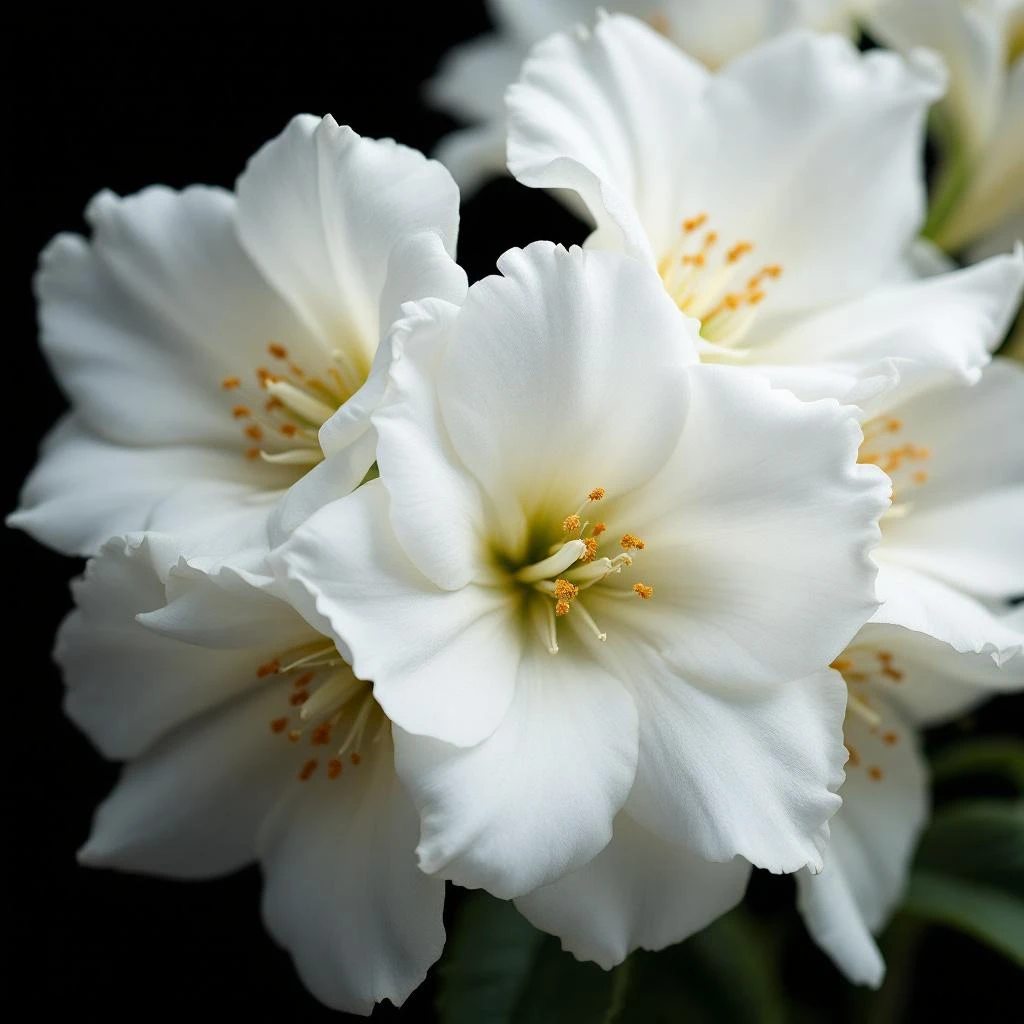
Spanish jasmine blooms at night to protect its delicate petals from sun. Pickers harvest at dawn, gathering 1-2 kg of flowers per hour during peak season.






Origin
Spain
Jasmine traces its roots to India, where ancient civilizations used it in sacred rituals, cosmetics, and medicine long before perfumery existed as we know it. From there, it spread through Persia and the Middle East, carried along trade routes that connected ancient civilizations. The pivotal moment for Spanish jasmine came in the 1600s, when the Moors brought jasmine plants to the Iberian Peninsula during their occupation of Spain.
Andalusia's warm climate proved ideal for cultivation, and Spanish growers developed techniques that refined the flower's aromatic profile. From Spain, jasmine cultivation spread to Italy and then France, where Grasse emerged as the world capital of fragrance by the 1850s. Spain never lost its prominence in jasmine production.
Today, Spanish jasmine absolute is recognized for its distinctive character, shaped by regional terroir and centuries of accumulated expertise. The flower that traveled from India through Moorish Spain now represents one of the most labor-intensive and treasured ingredients in modern perfumery.
Wears it best
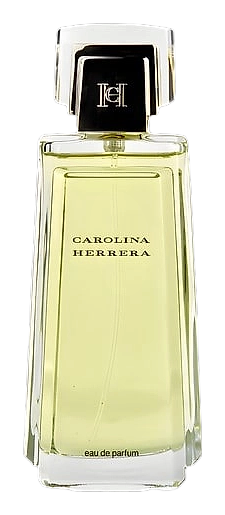
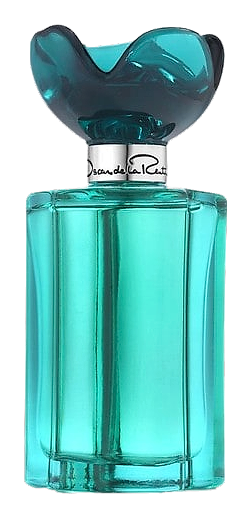
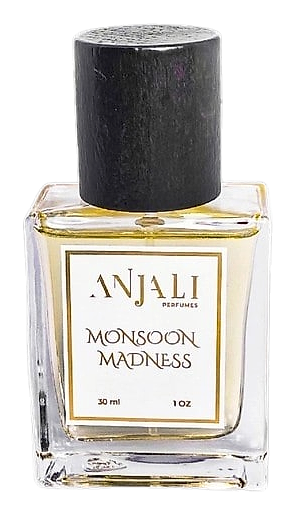
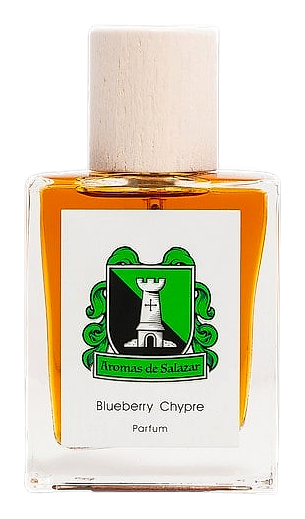
Fragrances featuring Spanish Jasmine
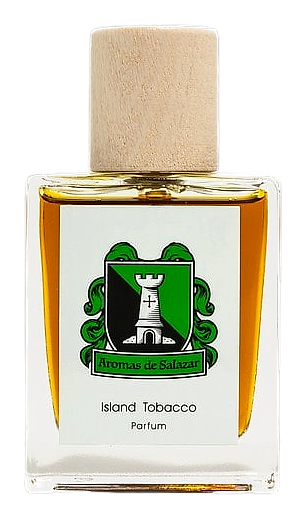
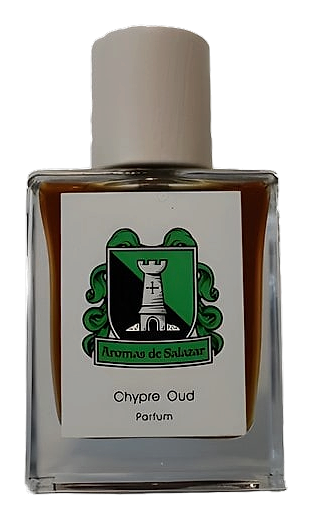
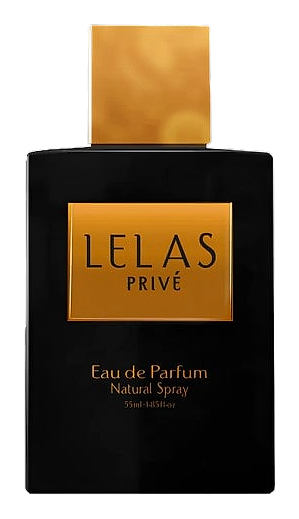
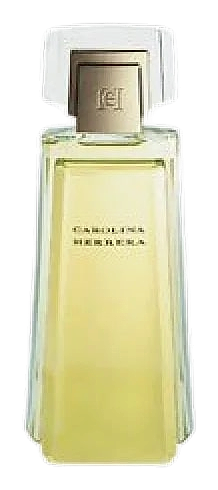

Brands
Brands known for Spanish Jasmine
Good to know
Questions, answered
The essentials on Spanish Jasmine in perfumery: how it smells, where it comes from, and how it behaves on skin.
Where does Spanish jasmine grow?
Spain is the primary country of origin for Spanish jasmine, with cultivation concentrated in Andalusia. Traditional growing regions also include Castilla-La Mancha and Valencia. Spain remains one of the world's major jasmine producers alongside Egypt, India, and Morocco.
What does Spanish jasmine smell like?
Spanish jasmine offers a rich, intensely floral scent with honeyed warmth and indolic undertones. The terroir and climate of Spanish growing regions contribute a characteristic depth and slight animalic richness that distinguishes it from jasmine grown elsewhere.
When is Spanish jasmine harvested?
Harvest occurs at dawn, typically beginning in mid-August. Jasmine flowers open during the night, releasing their maximum fragrance in early morning hours. Workers must pick daily as each blossom opens sequentially across several weeks. Flowers lose aromatic potency quickly after sunrise.
How is Spanish jasmine absolute made?
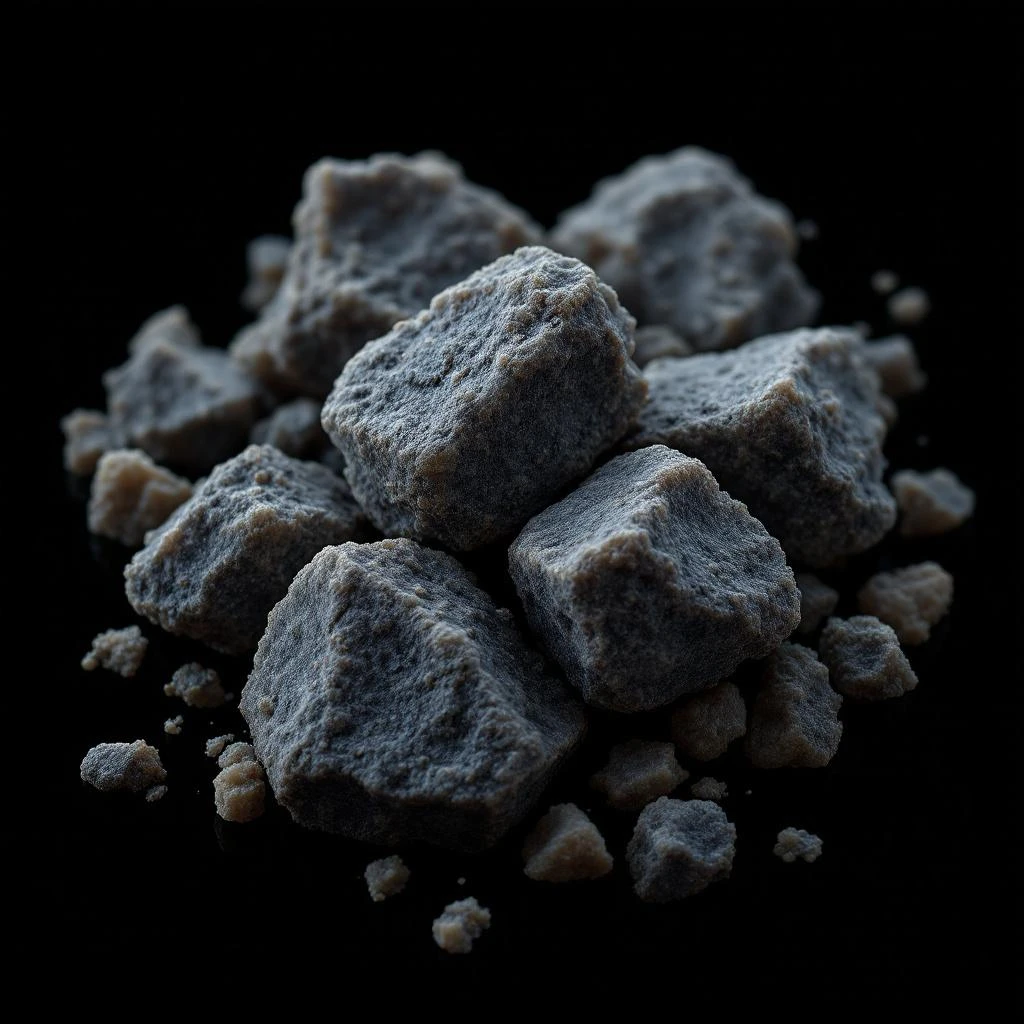
Solvent extraction produces Spanish jasmine absolute. Fresh flowers are washed with a food-grade solvent that dissolves aromatic compounds. This solution is filtered and the solvent removed under vacuum, yielding a concrete. A second alcohol wash separates the absolute from waxy materials.
What quantity of flowers makes Spanish jasmine absolute?
Approximately 1,000 kilograms of fresh flowers yield just 2-3 kilograms of absolute. This extremely low ratio, combined with the hand-harvesting requirement, makes jasmine one of the most expensive natural ingredients in perfumery. Each flower contributes only a fraction of a drop.
How many jasmine species exist for perfumery?
Two main species serve the perfumery industry. Jasminum grandiflorum produces larger flowers and dominates Spanish production. Jasminum officinale, or common jasmine, also contributes to global supply. Both species yield the characteristic floral absolute used across fragrance houses.
What makes Spanish jasmine unique?
Spanish jasmine carries a distinctive character shaped by regional terroir and centuries of cultivation knowledge. Andalusian climate and soil create a specific aromatic profile. Traditional hand-harvesting techniques, passed through generations of Spanish growers, preserve the quality that perfumers seek.
What molecules define jasmine's scent?
Jasmine's complex aroma comes from dozens of aromatic molecules working together. Indole provides the characteristic indolic, slightly animalic quality found in the headspace of living flowers. Methyl dihydrojasmonate contributes fresh, floral brightness. This combination creates jasmine's signature richness.