The Story
Why it exists.
The beginning
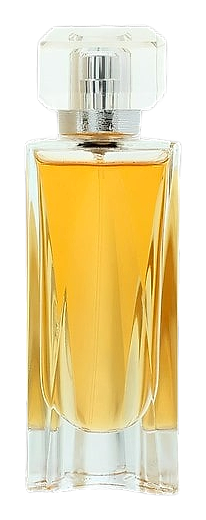
Carla Fracci, the Italian prima ballerina, lent her name to a fragrance line that draws from the world of ballet. Giselle, the ballet, opens in a Rhineland village full of wedding flowers and ends in a moonlit forest where the Wilis mourn in white. The perfume named Giselle draws on the same emotional vocabulary: a peasant girl who dies of a broken heart and returns as a spirit of forgiveness. The scent moves through daylight sweetness into something more spectral, more resigned, more tender than grief has any right to be. Ylang-ylang and tuberose open like blossoms still wet with morning dew, while honey, caramel and coconut gather at the base like a slow exhalation. It is a fragrance built around the act of letting go, the moment after the music changes but before the curtain falls.
What makes the composition distinctive is the structural honesty underneath the sweetness. Tuberose and ylang-ylang bring the indolic, almost carnal weight of white florals at full bloom, while the base layers of coconut, caramel, vanilla and white honey keep the texture edible and warm. The accord lands in gourmand territory without becoming a dessert plate, because the florals never surrender their gravity. Cinnamon threads through the composition, adding a quiet spiced lift that prevents the sweetness from settling into something syrupy or inert.
The evolution
The opening is ylang-ylang, but not the candied, suntan-oily version. It arrives with a fresh, almost dewy quality, cooling before warming on skin. Within ten minutes, the heart begins to surface. Tuberose lands first, full and heady, its almost-rotten sweetness threading through jasmine's indolic brightness. Freesia softens the edges, pulling the bouquet toward something that reads as skin-warm rather than flower-shop. This is the phase that wears closest, the part where someone leaning in for a hug would catch it. By the second hour, the base takes over. Coconut arrives not as a beach note but as a creamy, almost milky texture that coats the florals. Caramel and white honey sink in together, thickening the composition, while cinnamon adds a faint peppery lift that keeps it from going flat. The drydown is the longest chapter: vanilla, musk, a ghost of the honey, a whisper of cinnamon.
Cultural impact
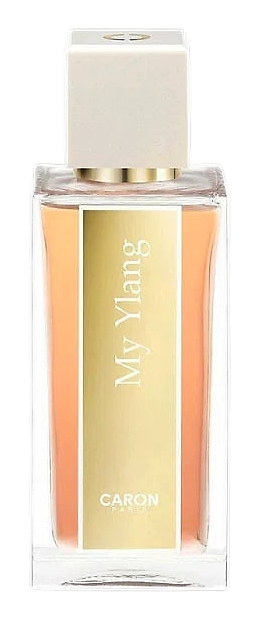
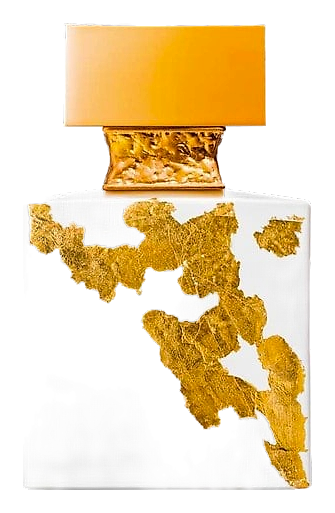
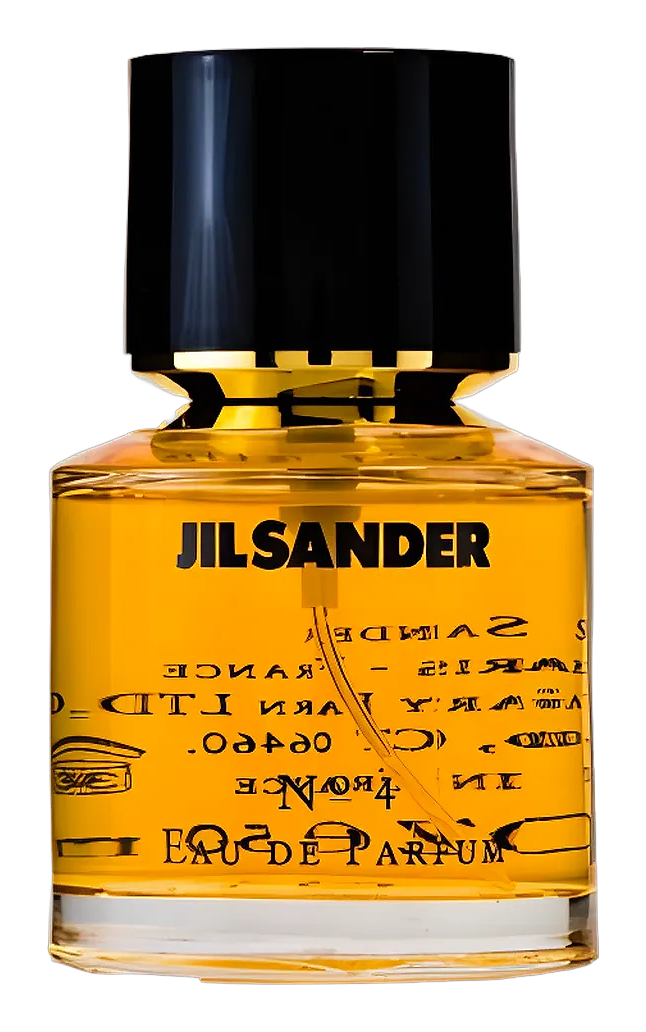
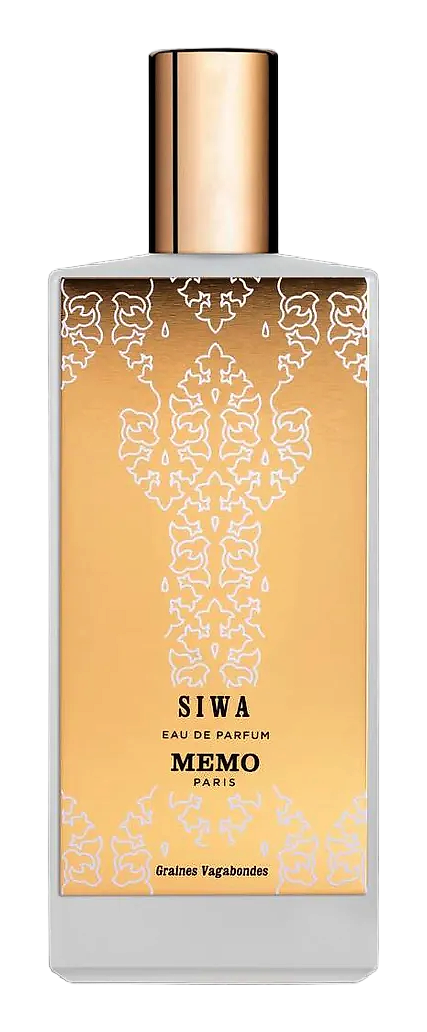
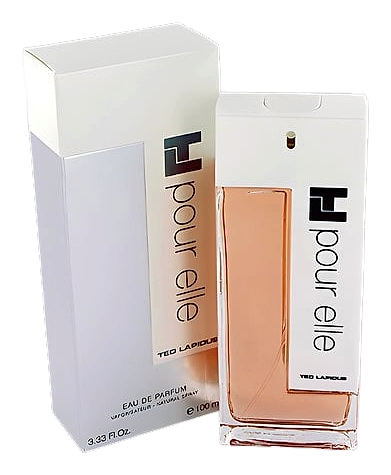
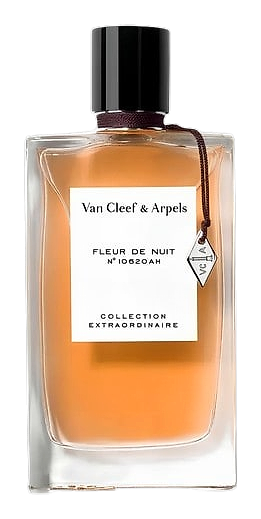
Giselle draws comparisons to Micallef's Ylang in Gold for its tropical-floral sweetness. The gourmand-honey base connects it to a wider family of sweet-floral compositions, where caramel and white florals coexist in indulgent harmony. One reviewer has described it as a quiet gourmand, a scent that earns its sweetness through restraint rather than volume, and the phrase captures something true about the composition: the florals carry weight, the base keeps its composure, and nothing overwhelms. It remains a niche favorite, appreciated by those who gravitate toward white-floral compositions with a gourmand undertone.