The Story
Why it exists.
The beginning
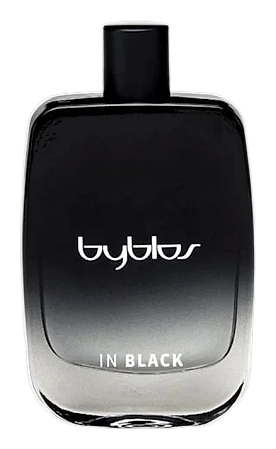
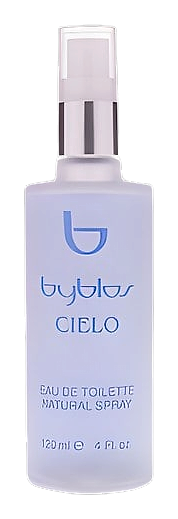
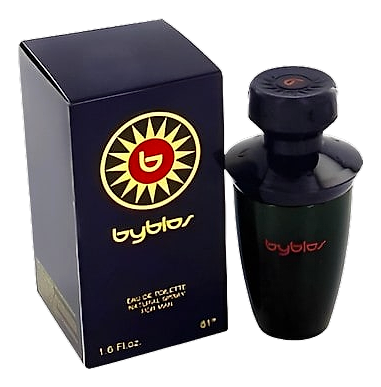
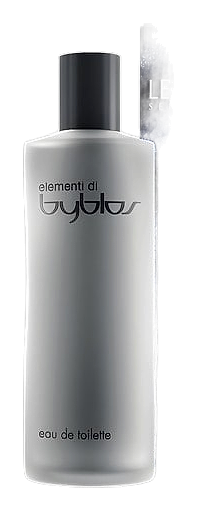
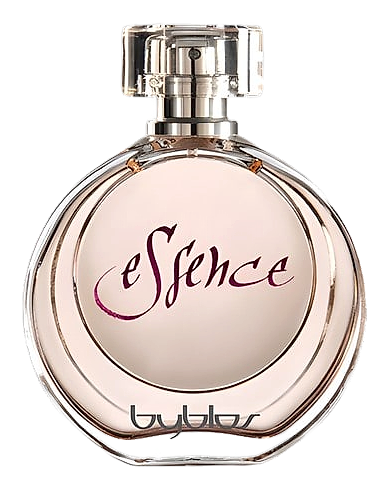
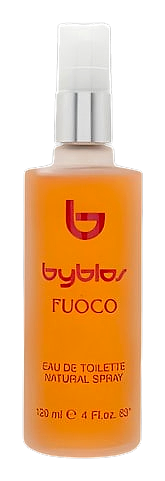
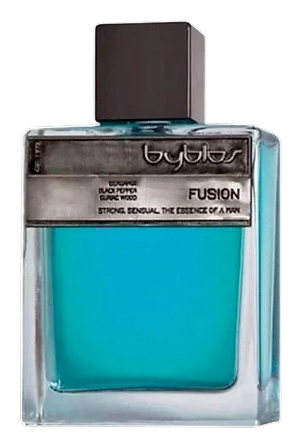
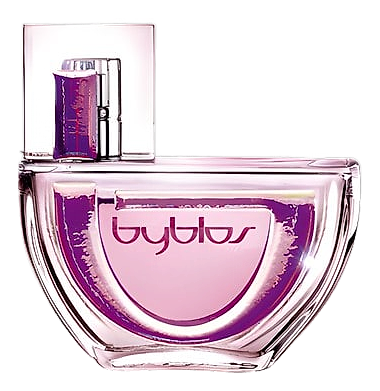
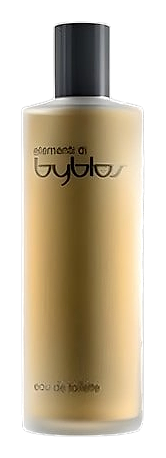
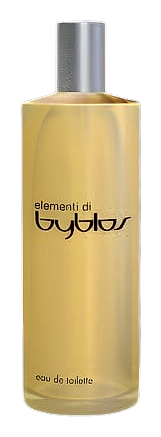
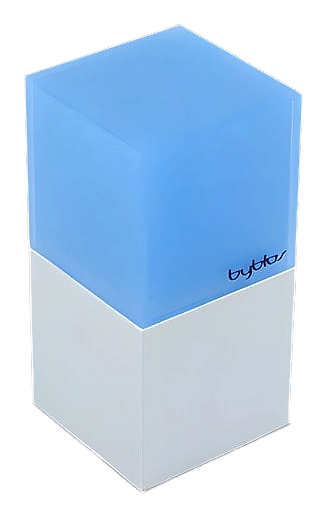
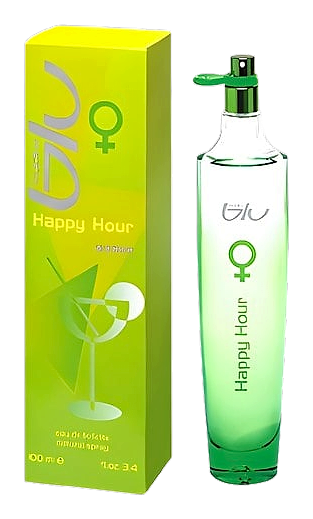
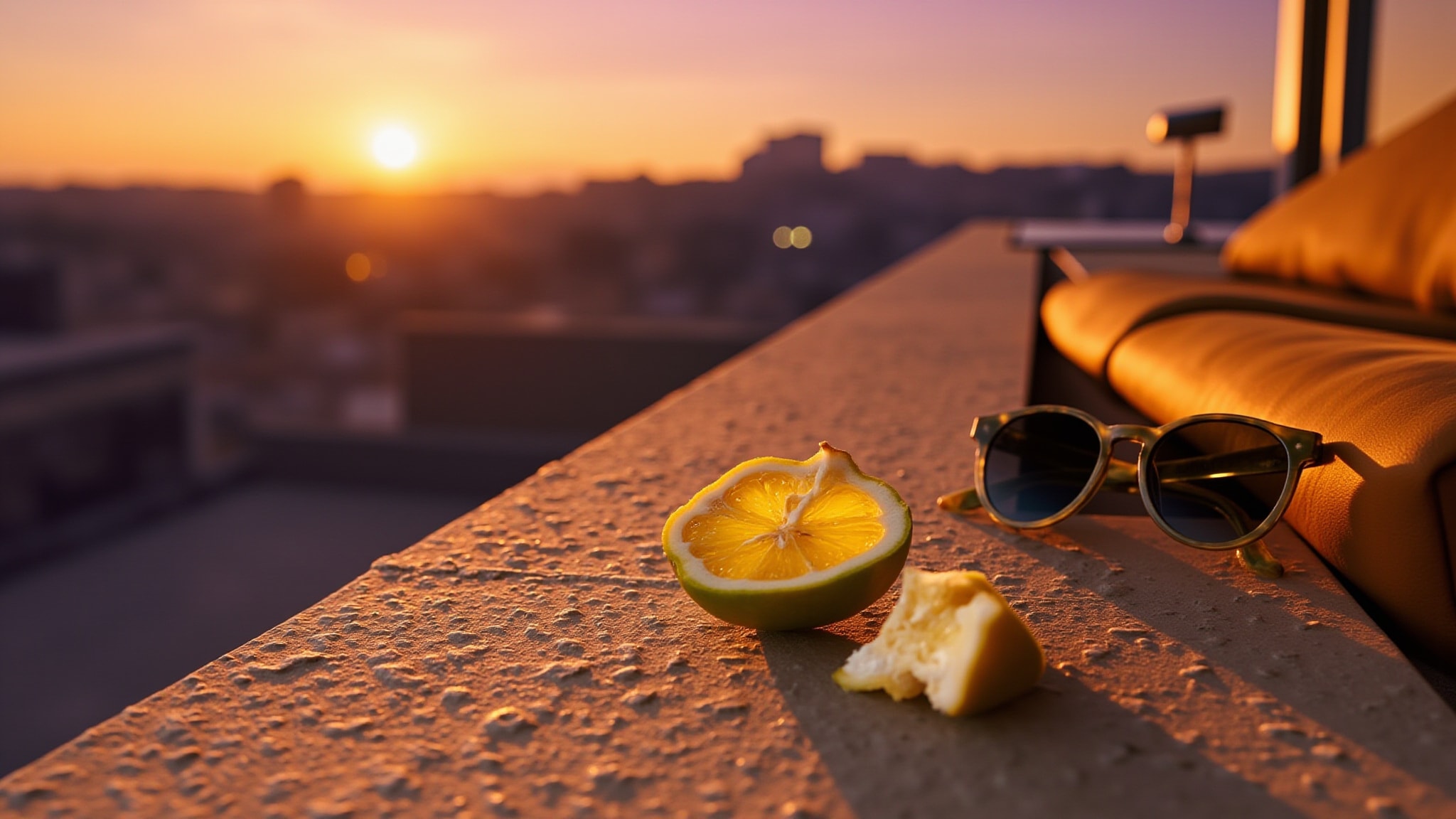
Byblos has always approached fragrance as part of its visual language, an extension of the playful, colorful spirit that runs through the house's work. When it came time to bottle a scent built around leisure, the brand turned to its own irreverent DNA. Philippe Roques composed Blu Happy Hour as part of a trilogy that included Wake Up! and Light Fever, three scents meant to mark different moments of the day. The concept drew from the idea of special moments of relaxation, of those summer-fruity-cocktail hours when the temperature softens and ease takes over. The bottle, like its siblings, was designed as something approachable rather than precious, a fragrance meant to live in the moment rather than demand attention.
What makes Blu Happy Hour interesting isn't the prettiness of its yuzu and bergamot pairing, though that opening is genuinely electric. It's the structural choice to keep the sweetness tropical and contained. Passion fruit provides juiciness without sliding into gourmands, while honeysuckle and lily of the valley hold the heart in a clean white-floral register that reads as fresh rather than heavy. The base keeps things grounded: cedar for clarity, musk for skin warmth, sandalwood for that subtle creamy anchor that prevents the whole thing from evaporating into pure airiness.
The evolution
The opening belongs to yuzu. It arrives sharp and almost mineral, slicing through bergamot's sweeter citrus with a green edge that feels distinctly modern. As the heart opens, the white florals take their seat: honeysuckle arrives watery and sun-warmed, lily of the valley threads through with cool sweetness, and passion fruit's tropical edge adds just enough tartness to keep things from going soapy. The red berries peak in the early hours of wear, giving the composition a fleeting candied quality before the woods take over. The cedar and sandalwood settle into a creamy, slightly dry base, with musk pulsing underneath like warm skin. The final hours belong to that gentle woody-musky drydown, close to the body, a soft finish that lingers quietly.
Cultural impact
Blu Happy Hour was released as part of a trilogy alongside Wake Up! and Light Fever, three scents designed to mark different hours of a woman's day. Within that frame, Blu Happy Hour carried the brief for those in-between moments, the special hours of relaxation that follow work and precede evening. Its yuzu-led opening aligned with a growing appetite for non-traditional citrus in mainstream perfumery, offering something sharper and more exotic than the standard bergamot-or-grapefruit template.
The House
ByblosByblos emerged from 1970s Milan as one of Italy's boldest creative voices, built on the conviction that fashion should feel like freedom. The brand drew its name from the ancient Phoenician port city famous for pottery and glassblowing, a nod to transformation and craft. What began as experimental ready-to-wear quickly became a laboratory for new visual languages, attracting a young Gianni Versace in 1975. Nearly five decades later, the house continues its restless exploration under Manuel Facchini, blending sport-chic energy with futuristic sensibility. Byblos fragrances translate this irreverent spirit into scent, each bottle a chapter in a story written in saturated color and theatrical silhouettes.
The Creator
Philippe RoquesRoques gravitates toward warm, enveloping constructions that balance accessibility with originality. His signature often involves a deep amber base supported by woody or musky elements, punctuated by bright citrus or floral top notes that provide immediate appeal.