
The Story
Why it exists.
The beginning
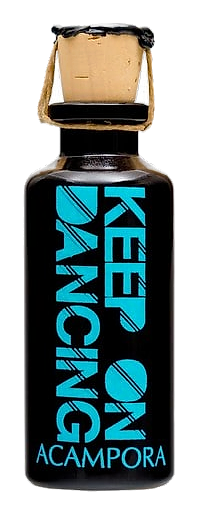
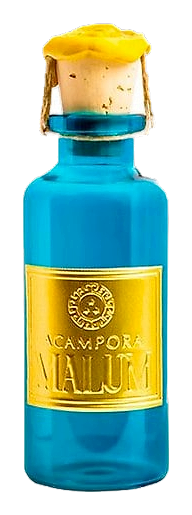
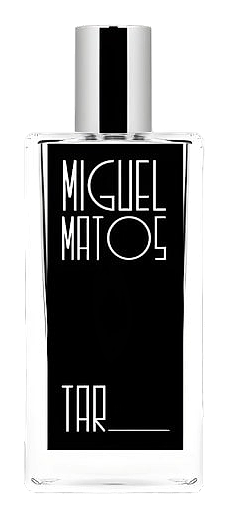
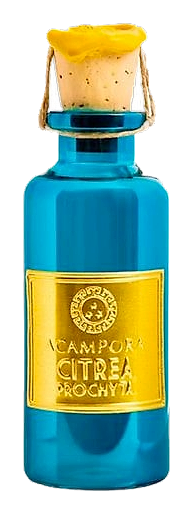
Citrea Prochyta was launched in 2019 by perfumer Miguel Matos for Bruno Acampora. Its inspiration is the island of Procida, specifically the vivid lemons associated with it. The idea reads as a vintage-style refreshing cologne, but one with a sharper point of view. Bergamot, lemon, mandarin, neroli, and coumarin create a polished citrus opening, each fruit doing slightly different work: bergamot bringing that dry, slightly bitter edge, lemon contributing a clean zest, mandarin softening the blend with its rounded sweetness, and neroli adding a faint white-flower lift. Rosemary threads through the heart with a green, almost camphoraceous snap, keeping the composition from collapsing into pure refreshment.
The Procida lemon gives the fragrance a clear place and a bright beginning, while the chypre base pulls it toward something older and less predictable. Rosemary introduces a green, herbal edge, and oakmoss gives the citrus something dark to sit against. Animalic notes add a subtle heat without taking over. It’s a useful contrast for a lemon scent: familiar at first, but less sweet and more textured as it settles.
The evolution
The opening arrives with the clean snap of bergamot, lemon, mandarin, neroli, and coumarin. It’s bright, citrusy, and immediately legible, like cold light on a Procida morning. As the fragrance moves inward, rosemary brings a green aromatic pulse, while oakmoss, animalic notes, and musk create a darker floor beneath the fruit. The result feels less like a simple lemonade and more like citrus with a memory: polished at first, herbal next, then mossy, woody, and faintly warm underneath. The coumarin softens the edges throughout, lending a powdery, almost hay-like warmth that keeps the citrus from feeling sharp or one-dimensional. As the hours pass, the brighter top notes gradually recede, making room for the oakmoss to settle into something more grounded and the musk to bloom against the skin.
Cultural impact
Citrea Prochyta carries a certain private wrinkle that sets it apart from the polished citrus colognes crowding the market. Its Procida inspiration and chypre shadow pull a familiar category somewhere unexpected, connecting a sunlit Italian island to a more grown-up, slightly mossy fragrance tradition. The composition speaks to a wearer who wants something bright but not naive, classic but not borrowed. It rewards attention: the citrus reads almost photographic at first spray, then slowly gives way to something denser, more contemplative.
The House
Bruno AcamporaBruno Acampora blends Neapolitan flair with a dash of French intrigue, offering perfume lovers a line of hand‑crafted scents that feel both intimate and daring. Each bottle carries the spirit of a 1970s beach conversation, a friendship with icons like Versace and Warhol, and a commitment to pure, unapologetic artistry.
The Creator
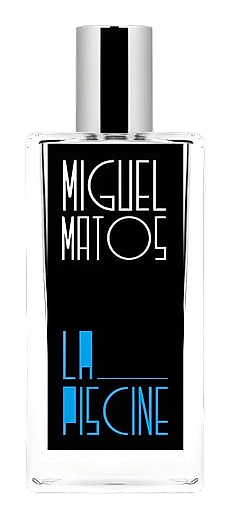
Miguel MatosMatos draws from his background in visual art and criticism, treating fragrance composition like a curatorial act. He layers references and contrasts, often juxtaposing familiar materials in unfamiliar configurations.