The Story
Why it exists.
The beginning
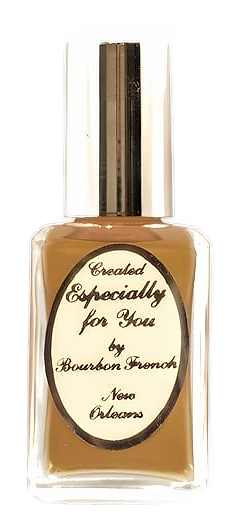
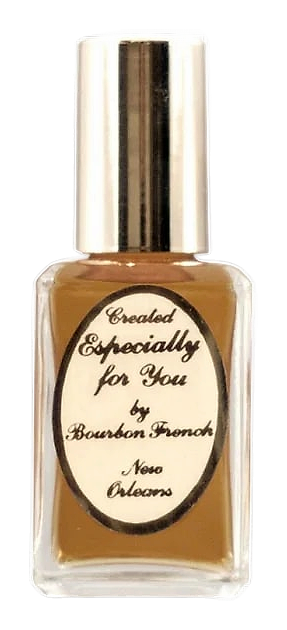
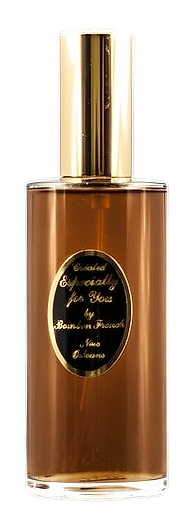
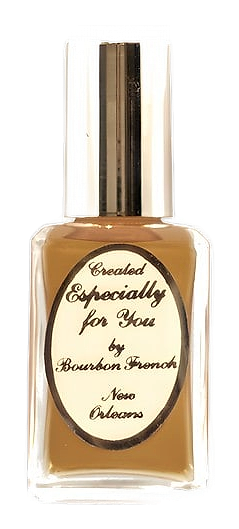
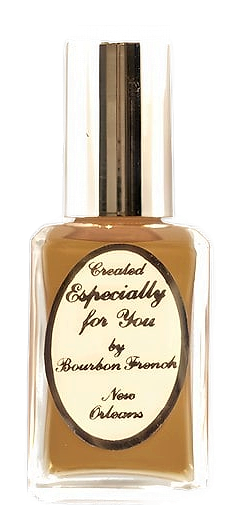
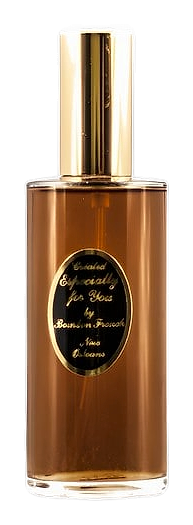
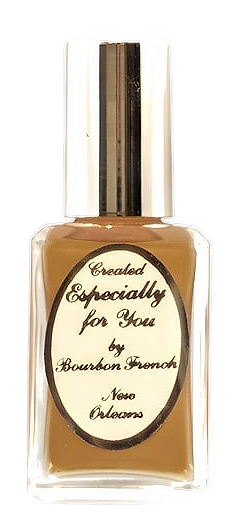
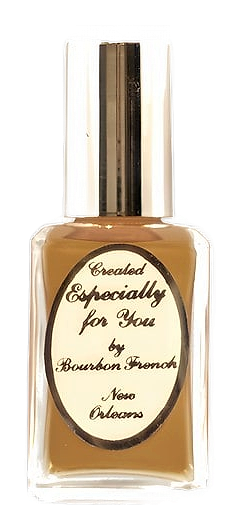
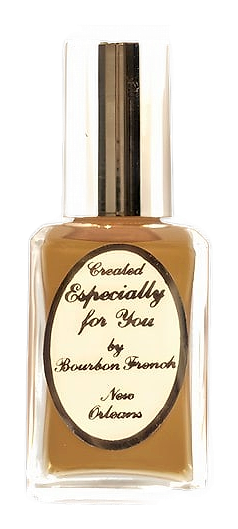
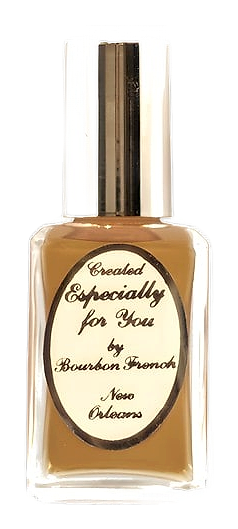
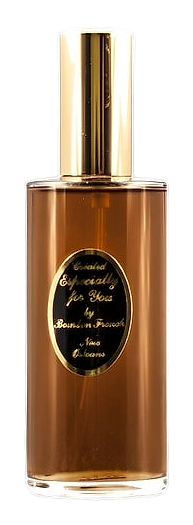
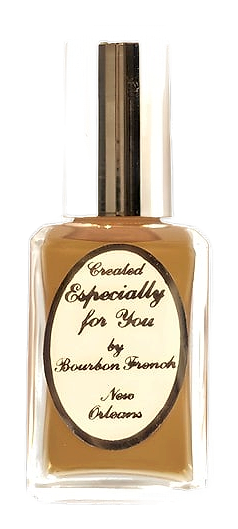
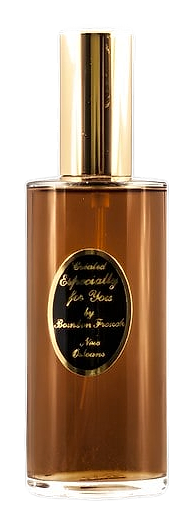
Marguerite entered the fragrance world in 1982, composed by Alessandra Crain for Bourbon French Parfums. The details behind its creation remain closely held, leaving the composition itself to define its character. Its opening is fresh and clean, followed by warmth and spice that bring greater depth without disturbing the refined balance. The fragrance develops gradually, allowing each stage to remain distinct while contributing to a coherent whole. Freshness establishes the first impression, and the warmer notes gradually lend texture and definition as the scent settles. This measured progression gives Marguerite an elegant sense of composure, making it a fragrance worth examining closely and discovering at your own pace.
The interesting part is the tension at the center of Marguerite. Its official profile calls it light, clean, fresh, and spicy, while reference records place it within warm, spicy, and Oriental families. Those descriptions can sound contradictory until you notice the scent moving between registers. Clean brightness gives the first impression air and polish; warmth and spice add depth without turning the fragrance heavy. The result is less elaborate than maximalism and more compelling than simplicity. Spicy notes carry the composition's identity, but their effect is tempered by that opening freshness.
The evolution
Marguerite begins with a fresh, clean feeling, almost like a window opening onto a bright afternoon. The first impression is light enough to feel polished rather than formal. As it develops, spice gains weight and warmth. The scent gathers around you with close-fitting comfort, gradually revealing a warm aromatic character. That middle stage is where the fragrance becomes most memorable, balancing freshness with an Oriental warmth. In the final phase, the heat softens and settles close to skin. The opening freshness and later warmth remain clearly connected, while the gradual development gives the composition a measured, composed character. Over time, the fragrance becomes more cohesive, with each stage contributing a distinct layer without overwhelming the structure that came before it.
Cultural impact
Marguerite belongs to the French Quarter house's register of historical continuity. Its 1982 launch places it in a warmer, spice-led chapter of the house's catalog. The fragrance reflects that sensibility through an opening that feels composed and a warm aromatic heart that develops gradually, extending the house's character into an understated form while preserving a clear connection to its history.
The House
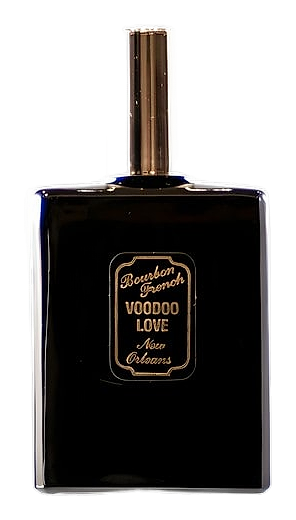
Bourbon French ParfumsBourbon French Parfums has operated continuously from 805 Royal Street in New Orleans since 1843, making it the oldest continuously operating perfumery in North America. Founded by August Doussan after his arrival from France that same year, the house began as the Doussan French Perfumery in the Vieux Carre and has remained in the French Quarter through generations of ownership. The perfumery hand-blends its fragrances in small batches using original and historical formulas. Current offerings include Sans Nom, Patchouli, Oriental Rose, French Lavender, Voodoo Love, Eau de Noir, and Vanille Jardin, alongside signature pieces like Dark Garden (2018) and the house's oldest composition, Kus Kus (1843). The location draws fragrance enthusiasts seeking historical formulas and regional sensory traditions tied to New Orleans culture.
The Creator
Alessandra CrainFloral and botanical themes run through her work, informed by her background as a floral designer. Her style balances classical structure with natural, intuitive blends, creating scents that feel both refined and deeply personal.