The Story
Why it exists.
The beginning
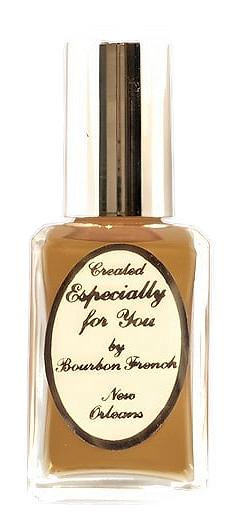
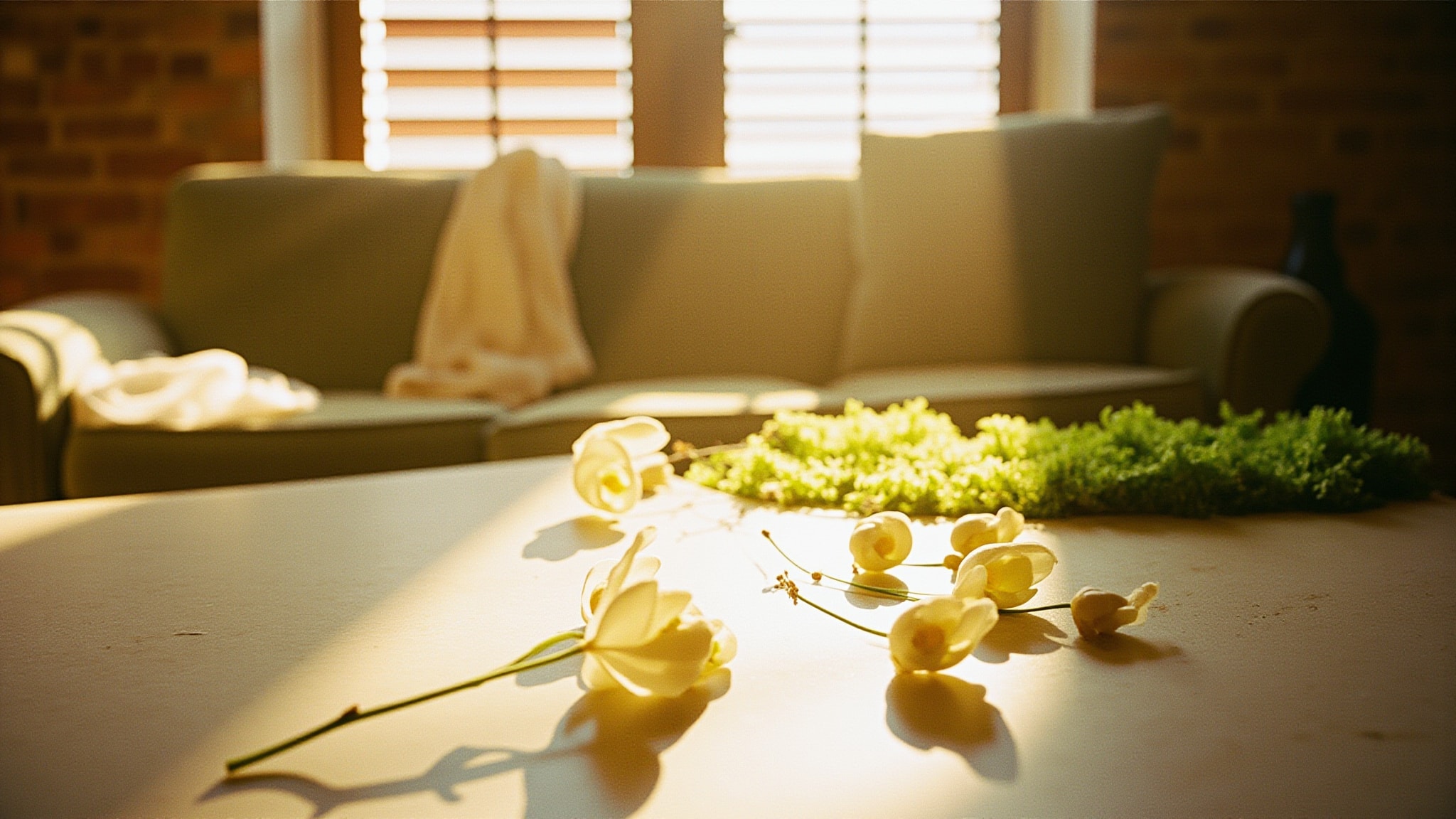
Perfume of Paradise draws its name from a particular kind of daydream, one rooted in the bayou and the French Quarter's slow, humid glamour. The brand describes it as a lush white floral kissed with fresh green notes, inspired by the romance and mystery of the bayou itself. That inspiration lands naturally at Bourbon French Parfums, where every formula carries the city's specific atmosphere: heat, moss, blossoms, and the faint suggestion of something older underneath. This isn't a composition chasing trends or testing accords. It's a portrait of place, shaped by hands that understand the weight of New Orleans humidity on a gardenia petal at dusk.
What makes this composition unusual isn't the ingredients themselves but their proportions. White blossoms carry most of the weight, occupying the center of the accord with a lush, almost overwhelming presence, but the green notes refuse to behave as a mere opening act. They thread through the entire wear, keeping the florals from collapsing into pure sweetness. That green-floral tension is harder to sustain than it sounds. Most white-floral compositions either tip into syrup or lose their floral character entirely as the green fades.
The evolution
The first 15 minutes are the greenest the fragrance gets. Green notes arrive first, sharp and almost botanical, like the first breath at the edge of a thicket. Within 30 minutes, the white blossoms push through. The jasmine character takes the lead, carrying warmth and a certain fleshy depth, the kind that smells less like a laboratory accord and more like a living plant in a warm room. The full, creamy weight of the white floral category fills the spaces between, lending a generous, almost humid density to the heart. The green never fully leaves. It retreats to the edges, holding the florals accountable for their sweetness, preventing the composition from becoming a simple bridal accord. After 2-3 hours, the composition settles deeper. The white flowers don't fade so much as transform, deepening into a richer, more resinous phase that carries warmth and softness underneath.
Cultural impact
Perfume of Paradise occupies a specific corner of the fragrance world: the regional, place-specific floral that doesn't try to be universal. It's worn by people who've spent time in the South, who recognize the church-pew gardenia reference, who want their perfume to smell like somewhere rather than everywhere. There's a niche but devoted audience for this kind of scent, the sort of person who reads a white floral and immediately thinks of June weddings and humid garden walks rather than department store counters. It reads less as a trend piece and more as a souvenir of atmosphere, the kind of scent that transports rather than accessorizes.