
The Story
Why it exists.
The beginning
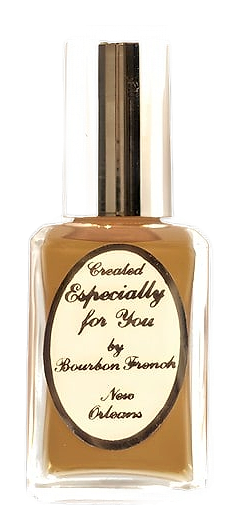
Kus Kus arrived in 1843. The formula entered production that same year and has remained in continuous production since. A warm spice threads through a powdery base, the two notes holding each other in a balance that feels neither dated nor contemporary, just settled. There's no theatrical opening here, no citrus brightness or green top notes demanding attention. Instead the scent arrives already composed, already sure of itself. The powder keeps the spice from pulling sharp while the spice keeps the powder from drifting flat. It's that simple interaction that makes the fragrance work, the kind of note pairing that endures because neither element tries to dominate. The formula has stayed in production for nearly two centuries now, still made to the same specifications, still worn.
What makes the structure work is the powder-spice balance. Spicy notes can pull sharp, clinical. Powder can pull flat, dusty. Here they hold each other in check, the spice keeps the powder from drifting into abstraction, and the powder keeps the spice from ever getting loud. The warmth sits close to the skin, radiating a gentle heat that doesn't announce itself but becomes noticeable the moment you stop and pay attention. There's a restraint to the composition that keeps everything measured, controlled, intimate.
The evolution
The opening doesn't announce. It arrives already settled, warm spice threaded through powder, like the memory of a room rather than the room itself. No sharp citrus, no top-note theater. The transition to heart is a softening rather than a reveal. The spice doesn't fade so much as deepen, folding into the powder until you can't separate them. What was warm becomes warmer, what was present becomes closer, the two notes settling into a quiet interdependence that feels inevitable rather than constructed. The drydown is where the staying power makes sense. Warmth that doesn't disappear, it gets quieter, closer, more like skin than perfume. Faint powder, residual spice, and then silence. Moderate sillage means this stays intimate. Not a room-filler. A conversation-starter with the person standing next to you.
Cultural impact
Kus Kus isn't a museum piece, it's a working perfume. Still in production, still worn, still relevant. That's unusual. The powdery-warm spice character has a timelessness that contemporary compositions often sacrifice for novelty. There's something to learn from a formula that found its balance once and saw no reason to move. It occupies a specific corner of American fragrance history: a house that has been making the same scent since the mid-nineteenth century, still available, still worn by people who find in it exactly what they need.