The Story
Why it exists.
The beginning
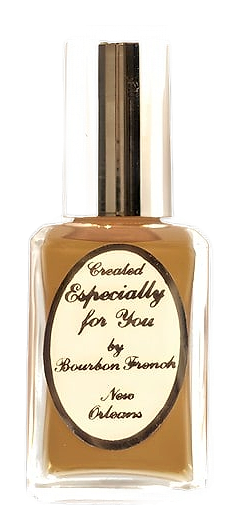
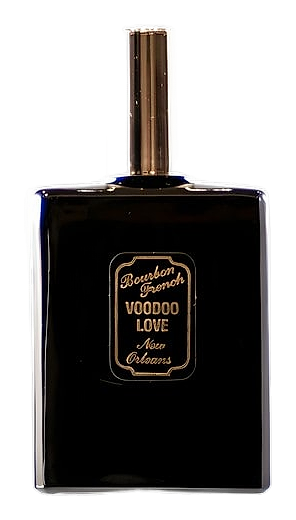
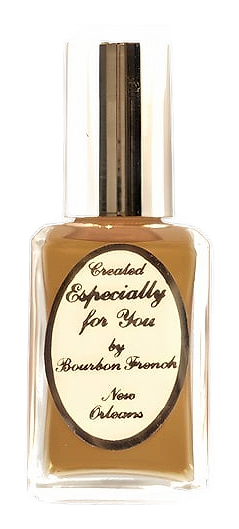
Mon Amour arrived in 2012 from perfumer Mary Eleftorea Behlar at Bourbon French Parfums. The name says everything, a French Quarter love letter, sweet without apology, warm without weight. Built for intimacy, not for the door. This creation embodies the house's ability to craft understated elegance for those who prefer closeness to announcement.
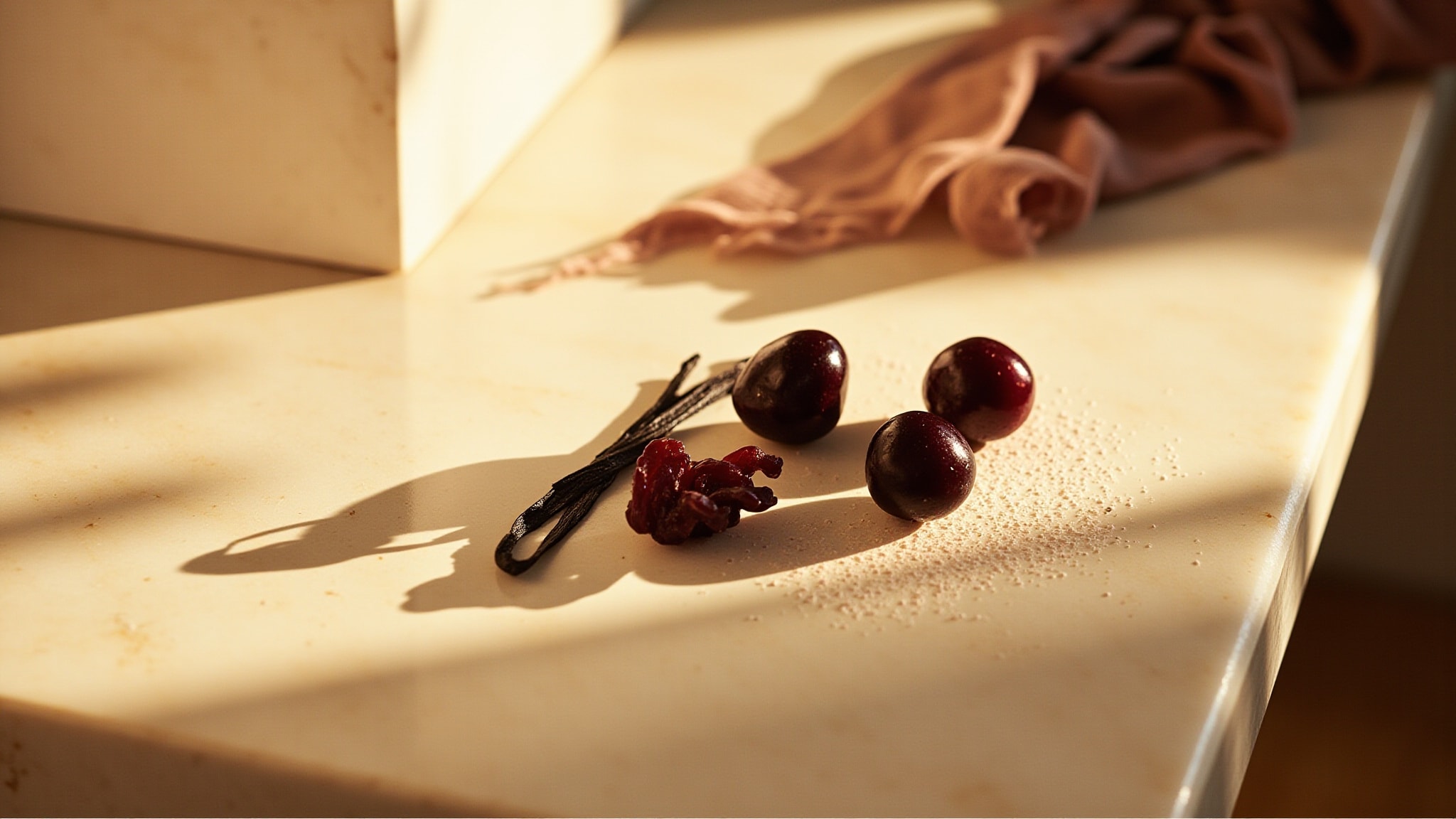
What makes this one work is the restraint. Vanilla that whispers, not shouts. Cherry that stays sweet and dark, not sticky. Musk that adds body without taking over. The powdery quality comes from the interplay, not from any single ingredient, and that's what separates a composed fragrance from a note list. It's the kind of scent that arrives close and stays there.
The evolution
It opens bright. Black cherry arrives first, carrying a flicker of vanilla on its shoulder. Thirty minutes in, the cherry softens, bleeds into something deeper. The heart is where Mon Amour earns its name, vanilla cream and warm musk colliding into a powdery sweetness that doesn't demand anything. It simply settles. The drydown is where patience pays off. Amber arrives late, wrapping everything in a golden warmth. The vanilla doesn't disappear, it becomes a skin-note, something another person finds when they're already close. Fades intimate. Fades warm. Fades slowly enough to make you wonder if it's still there or if you're imagining it.
Cultural impact
Mon Amour exists in a specific register: warm, powdery, and quietly confident. Bourbon French Parfums has spent nearly two centuries not chasing trends, and this fragrance reflects that philosophy. It's sweet and approachable in a way that feels intentional rather than calculated. In a market that often equates strong projection with success, Mon Amour stakes its reputation on intimacy. That's a quiet risk. It's the kind of fragrance that rewards someone who doesn't need the room to know they're wearing something worth finding.