Mary Eleftorea Behlar
Mary Eleftorea Behlar represents something rare in the perfume world: a professionally trained female nose who also owns and operates her own house. She acquired The Bourbon French Perfume Company in 1991, taking the helm of one of New Orleans' oldest fragrance institutions. Her training set her apart from the start, placing her among a small cohort of women who pursued formal education in the craft during an era when the industry remained heavily male-dominated. Rather than simply preserving what came before, she assumed stewardship with an understanding that tradition and innovation must coexist. The house she inherited had its own story to tell, its own loyal following, and she learned to speak that language while adding her own chapters. Three decades into her tenure, Behlar continues to shape Bourbon French Parfums with quiet confidence, demonstrating that longevity in this business requires equal parts discipline, creativity, and deep respect for the art.
The hits
Notable creations
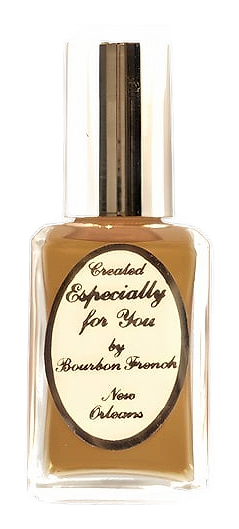
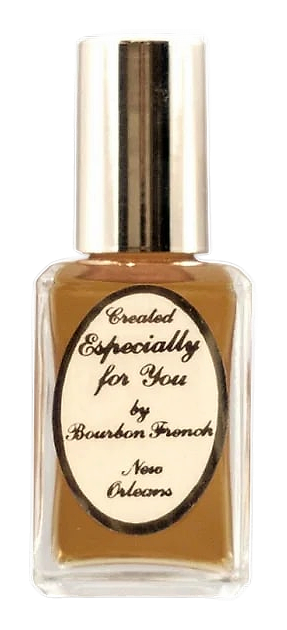
The signature
How Mary composes
Behlar's aesthetic draws from the rich, layered soul of New Orleans. The city's history, its music, its rain-washed streets and candlelit interiors find their way into her compositions. She gravitates toward classical materials and traditional techniques, applying them with a modern sensibility. Her work prioritizes coherence over complexity. Each element must earn its place in the final structure, contributing to a unified statement rather than competing for attention. She values depth and evolution on the skin, creating fragrances that reveal themselves gradually, that reward patience and close attention.
Philosophy
What drives Mary
For Behlar, perfumery functions as a living archive of memory and sensation. She approaches formulation with the conviction that exceptional fragrance transcends mere pleasantness. It must evoke something deeper, something the wearer carries with them long after application. Her philosophy centers on restraint as mastery: understanding what to leave out matters as much as what goes in. She honors the lineage of her house without becoming imprisoned by it. The gift of le nez, she suggests, is not merely sensitivity to raw materials but the ability to perceive how they might one day speak to a stranger across a crowded room.
The houses
Maisons Mary composes for
In the same league