The Story
Why it exists.
The beginning
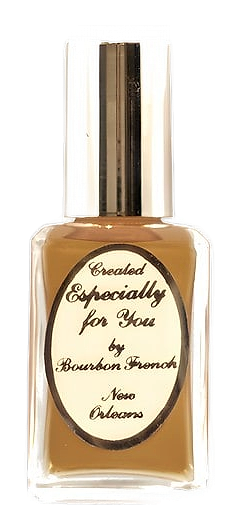
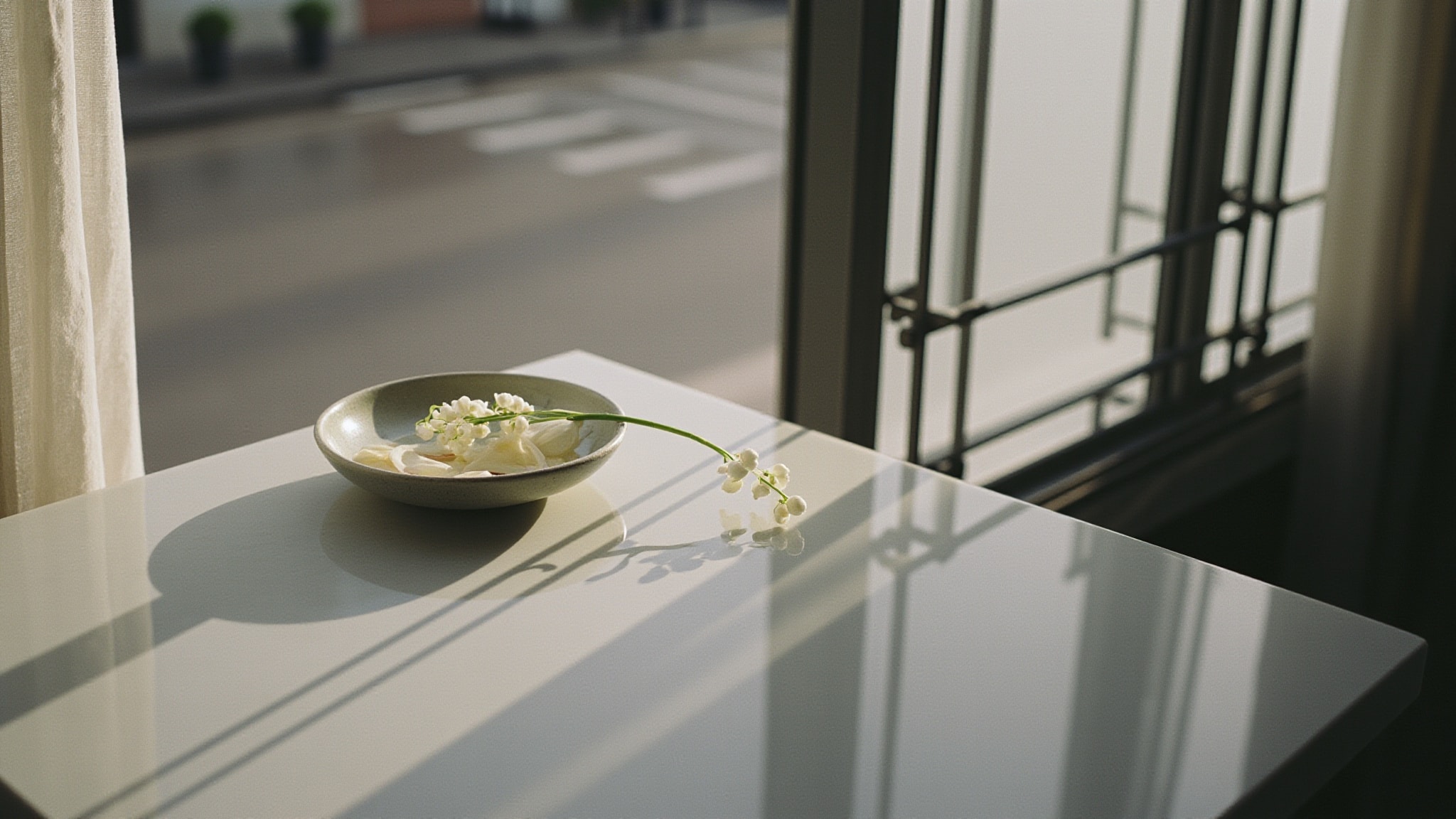
La Pluie arrived during the 1990s, composed by Mary Eleftorea Behlar for a house that had already been crafting in New Orleans since 1843. The name is French for rain, and the composition reads like the moment a shower passes and the world exhales. Behlar built it around lily of the valley, a flower historically tied to purity and renewal, then layered in tuberose for warmth and musk for the skin-close finish. The result is less a statement than a settling. A fragrance for people who want to smell like themselves, just a little cleaner, a little softer, a little more composed. There is something quietly deliberate about the way the notes unfold. The green snap of the lily arrives first, almost translucent, carrying that cool, wet impression the flower is famous for.
Lily of the valley tends to dominate any composition it enters. It is a loud flower, sweet and dewy, with a personality that fills space quickly. Behlar keeps it in check with the creamy, almost fleshy density of tuberose, a pairing that grounds the brightness and gives it body. Then the vanilla and musk base steps in, softening the whole thing further and creating a drydown that stays close to the skin. The accord reads as white floral and fresh at first impression, but the green and powdery and musky edges lend it real dimension underneath.
The evolution
The opening hits like cool water. Lily of the valley arrives first, green and bright, with that dewy, almost wet quality the flower is known for. Tuberose shows up within the first few minutes, adding a creamy sweetness that keeps the lily from feeling sharp or synthetic. For a while, the two florals share the stage, lily leading with its cool transparency, tuberose warming the edges with that soft, narcotic fullness. As the composition unfolds, the musk settles in. The scent gets quieter, closer to the skin, less about projection and more about presence. It pulls inward, becoming something you catch in small moments rather than something that announces itself across a room. The vanilla becomes more prominent as time passes, warm and slightly sweet, with the white florals fading into a soft memory rather than holding the lead.
Cultural impact
La Pluie sits in an unusual space. It is a composition from the 1990s from a house whose roots stretch back to the nineteenth century, which gives it a different weight than most modern releases. It carries the quiet confidence of a perfumery that has been doing this for a very long time, priced accessibly rather than positioned as a rare collectible, with a $6.00 price point that puts it within reach. Wearers tend to describe it as a personal, skin-close fragrance, the kind of thing you reach for to feel composed rather than noticed.