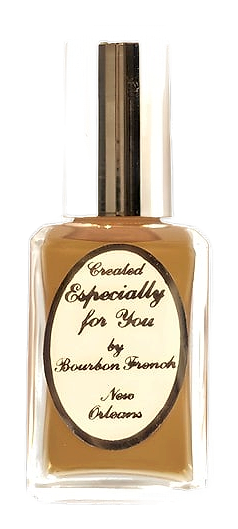
The Story
Why it exists.
The beginning
Eau de Pluie begins with a simple, evocative idea suggested by its name: rain. The details of its creation and original inspiration are not documented, but its composition makes that image tangible through woody notes and sandalwood. There is no named perfumer, confirmed launch year, or proprietary technique attached to the fragrance. What is known is simple and direct: sandalwood and warm woody notes give the scent a grounded, polished character. As the fragrance settles, its woody facets become more apparent, moving from the clarity of the opening toward a smooth, gently warm finish. Eau de Pluie reads less like a fleeting weather effect and more like the atmosphere after a passing storm, when the air clears and polished wood emerges.
The composition's unusual balance comes from making sandalwood do two jobs at once. It gives the heart a creamy, polished woodiness, then remains as the base, creating continuity rather than a dramatic progression. The surrounding accords, woody, powdery, warm spicy, balsamic, and aromatic, add layers of texture without making the note list look elaborate. That restraint matters. A clean woody fragrance can easily become generic, but here the warm spice and balsamic edges give the sandalwood something to push against, adding a quiet tension beneath the fresh surface.
The evolution
At first, Eau de Pluie presents the impression of fresh air, cool and lightly aromatic. That opening sensation soon meets the heart's woody character and sandalwood, which adds body without losing the sense of clarity. The shift is subtle rather than theatrical: clean becomes creamy, powdery, and gently warm. During the drydown, sandalwood carries the composition, while the warm spicy and balsamic facets lend it a deeper, more polished finish. The material that outlasts the airy opening is also the one that defines the scent's character. As the fragrance develops, its texture becomes smoother and rounder, with the sandalwood setting a soft structure for the warmer notes. The result is a measured progression from airy clarity to a close, refined trail, with the final impression defined by polished wood and subtle spice.
Cultural impact
Eau de Plume draws its character from a straightforward idea of rain, translating that atmosphere through a composition of woody notes, sandalwood, and warm facets. The fragrance begins with a cool, lightly aromatic impression before moving toward creamy, powdery, and gently warm notes. Its name evokes the clarity of fresh air, while the composition gives that image a polished, grounded character. The sandalwood remains central as the scent develops, joined by warm spicy and balsamic nuances that create a smooth, refined finish.