The Story
Why it exists.
The beginning
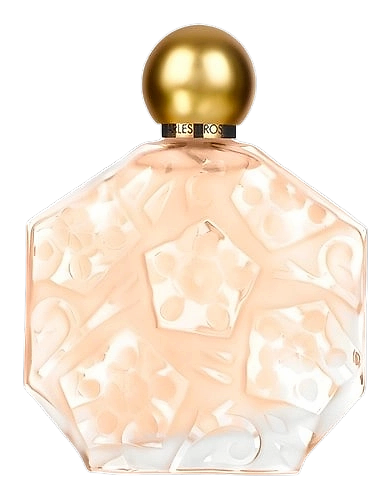
Oriental Rose arrived in 2013 from Mary Eleftorea Behlar, a perfumer working within a house that has been quietly compounding fragrances for close to two centuries. The house doesn't release new compositions casually. Each addition joins a shelf that already holds formulas dating back generations, scents that have outlasted fashions and reformulations and the slow turning of taste. Oriental Rose sits comfortably in that lineage: not a reinvention, but a continuation. A floral built in the older register, where rose doesn't float so much as settle, weighed down by the warmth around it. The composition treats rose as something lived-in rather than recently cut.
What makes this composition worth attention is its restraint. Oriental Rose takes a path that few modern rose fragrances walk: it refuses both the jammy sweetness that flattens rose into confection and the green thorniness that reduces it to a botanical sketch. Instead, it builds a rose that feels spice-warmed and slightly powdery, anchored by oriental depth that gives the whole thing its gravitational pull. The rose in this bottle is red, not white. It's not shy about being a flower, but it doesn't perform as one either.
The evolution
On skin, the opening arrives with a quick lift of spice: warm, sweet, the kind of heat that reads as familiar before it announces itself as anything more specific, the sort of warmth that recalls pantry shelves and holiday kitchens without naming a single spice in particular. The rose doesn't wait long. Within minutes the petals come through, but they come through spiced, slightly powdery, threaded with the oriental accord that gives this composition its name. There's no green stem, no dewy freshness; this rose was grown in a warm room. The first hour is the warmest, most expressive phase, with spice and rose trading leads, each one rising to the surface for a few minutes before yielding to the other. The duet isn't perfectly even, but it never tips into imbalance. After that first hour, the accord begins to fold inward.
Cultural impact
Oriental Rose sits within a catalog shaped by generations of compounding, perfumes made and remade within a tradition that prizes continuity over novelty. The house's identity has always leaned toward the warmer end of the spectrum, the side of perfumery where florals come dressed in spice and resin rather than sparkling alone. Oriental Rose fits that mold without reworking it. It appeals to wearers who want rose in its older, warmer register rather than the bright, weightless style that has come to dominate department store counters over the last few decades.