The Story
Why it exists.
The beginning
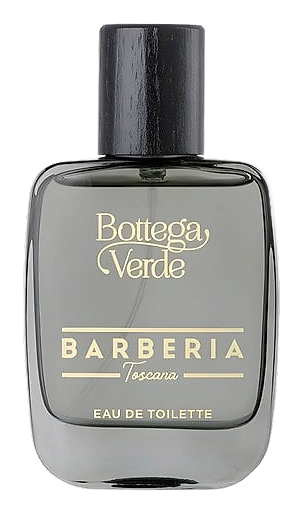
Barberia Toscana launched in 2016 as part of Bottega Verde's exploration of Italian masculine grooming rituals. The brief was clear: take the traditional Italian barbershop scent and rework it for a contemporary wearer who still wants elegance and virility, just without the dated cologne fog. The composition draws on Bottega Verde's herbal heritage, leaning into botanical raw materials the brand has long worked with. The result nods to Italian barbershop tradition while speaking a modern aromatic language. Cardamom, mint, and lemon handle the refresh. Iris, heliotrope, lavender, and cedar build the structure. Tonka, clary sage, maté, and soft woods finish the job. What makes the opening work is how the citrus and herbs behave together.
The iris connection is the interesting move here. Iris can read powdery or rootlike depending on what surrounds it, and the risk with this kind of fougère-adjacent composition is that it either tips into old-school barber powder or slides toward soapy lavender territory. Bottega Verde threads a careful line. The heliotrope amplifies iris's powdery side without tipping into baby-talc territory. Lavender adds fougère backbone, cedar holds the shape. The base is where the composition shows its quiet ambition. Tonka and clary sage give warmth without weight.
The evolution
The first 15 minutes are bright and crisp, lemon and mint doing their refresher work while cardamom pushes in with a green-spicy warmth. It smells like a clean shave in a well-ventilated room, nothing aggressive. Around the 30-minute mark, the iris arrives. This is the phase where the fragrance finds its voice. The heliotrope softens the iris's powdery edge, lavender adds a herbal coolness, and cedar grounds everything. The barbershop reference sharpens here. It becomes less generic fresh and more specifically composed. By hour two, the drydown settles into tonka and clary sage, with maté adding that tannic, slightly smoky undertone. The woods warm up. The scent gets quieter, closer, more personal. The opening phase is more layered than it first appears. The lemon doesn't just sit on top waiting to burn off.
Cultural impact
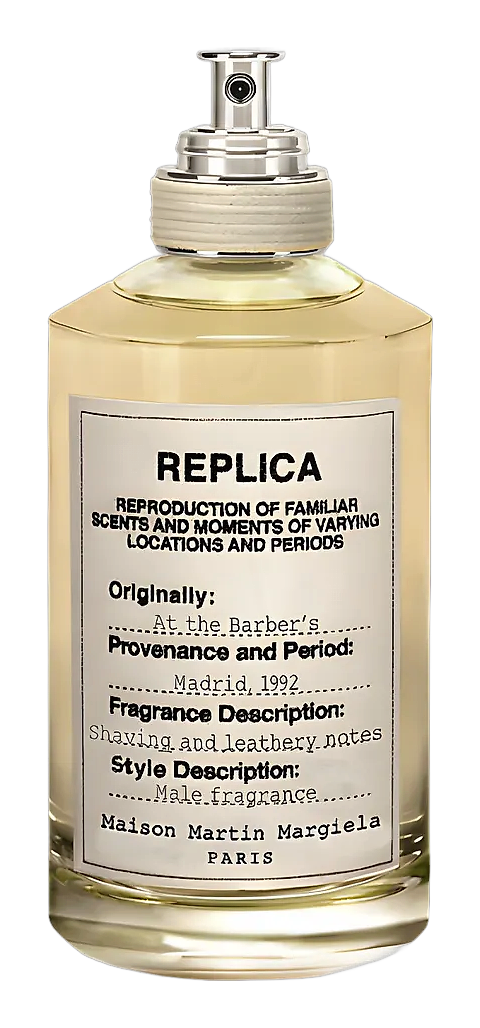
Wearers consistently compare Barberia Toscana to barbershop-style scents like Maison Martin Margiela's At the Barber's, noting it delivers a similar clean, iris-forward profile at a lower price point. The comparison makes sense. Both fragrances lean on the same fougère-adjacent structure, both build around iris rather than treating it as a background note, both finish with a soft, woody drydown. The parallel is hard to miss once you've smelled both. What tends to come up in conversations about Barberia Toscana is how confidently it executes that brief.